
Beam vs Conventional Windscreen Wipers: Which Is Better for Australian Roads?
Choosing the right windscreen wipers is not just about size compatibility — blade technology plays a critical role in visibility, durability, and overall driving safety. One of the most common questions Australian drivers ask is whether beam wipers or conventional (frame-style) wipers are better suited for local road and weather conditions.
This detailed comparison breaks down the structural, performance, and environmental differences between beam and conventional windscreen wipers to help you make an informed decision for your vehicle.
Understanding Windscreen Wiper Technologies
Before comparing performance, it’s important to understand how each wiper type is engineered.
What Are Conventional (Frame-Style) Wipers?
Conventional wipers use a metal or composite frame with multiple pressure points that distribute force across the blade. This design has been used for decades and is still common on older vehicles.
Key characteristics:
- Exposed metal framework
- Hinged joints for flexibility
- Rubber blade secured to a pressure arm
What Are Beam Wipers?
Beam wipers (also called flat wipers) use a single-piece, frameless construction with an internal tensioned steel strip. Instead of multiple joints, pressure is distributed evenly along the blade’s length.
Key characteristics:
- Aerodynamic, low-profile design
- No external metal frame
- Even pressure distribution across the windscreen
Performance Comparison on Australian Roads
Australia’s driving conditions vary significantly — from heavy rainfall in coastal cities to dust and heat in inland regions. These factors directly affect wiper performance.
Rainfall and Wet-Weather Visibility
Beam wipers excel in heavy rain due to:
- Consistent contact with curved windscreens
- Reduced wind lift at highway speeds
- Smoother, streak-free wiping action
Conventional wipers may struggle over time as pressure points wear unevenly, leading to missed sections and streaking.
Heat, UV Exposure, and Durability
Australian UV exposure is one of the harshest in the world, accelerating rubber degradation.
Beam Wipers in Hot Conditions
- Encased rubber reduces UV exposure
- Frameless design prevents heat warping
- Longer service life in high-temperature environments
Conventional Wipers in Heat
- Exposed rubber deteriorates faster
- Metal frames can corrode or deform
- Hinges may seize due to dust and heat
In prolonged heat conditions, beam wipers typically outperform conventional blades in longevity.
Dust, Debris, and Rural Driving Conditions
Drivers in regional and rural areas face additional challenges such as dust buildup and unsealed roads.
Dust Performance Comparison
- Beam wipers resist clogging due to sealed construction
- Conventional wipers can trap dirt in joints, reducing wiping efficiency
Over time, trapped debris increases windscreen abrasion and accelerates blade wear.
Noise, Vibration, and Driver Comfort
Noise and vibration are indicators of poor blade contact or uneven pressure.
- Beam wipers produce less chatter due to uniform pressure
- Conventional wipers often develop noise as hinge tension weakens
Reduced noise contributes to lower driver fatigue, especially during long-distance driving.
Cost vs Value Analysis
At first glance, conventional wipers are usually cheaper. However, cost should be evaluated over the product lifecycle.
Conventional Wipers
- Lower upfront cost
- Shorter replacement intervals
- Higher likelihood of inconsistent wiping
Beam Wipers
- Slightly higher initial investment
- Extended lifespan
- Superior performance across weather conditions
For most Australian drivers, beam wipers deliver better long-term value.
Vehicle Compatibility Considerations
Modern vehicles increasingly feature curved windscreens, which require flexible blade technology.
- Beam wipers adapt better to curved glass
- Conventional wipers may fail to maintain full contact
Always verify compatibility using a vehicle-specific wiper selector to ensure correct fitment.
When Conventional Wipers May Still Be Suitable
Despite their limitations, conventional wipers can still be appropriate for:
- Older vehicle models
- Short-distance urban driving
- Budget-focused replacements
However, performance trade-offs should be carefully considered.
Final Verdict: Which Wiper Type Should You Choose?
For Australian road conditions, beam windscreen wipers are the superior choice for most vehicles due to:
- Enhanced wet-weather performance
- Better resistance to heat and UV damage
- Reduced noise and vibration
- Longer operational lifespan
Conventional wipers remain a viable option for specific use cases, but advancements in beam wiper technology make them the preferred solution for safety-focused drivers.
Key Takeaway
If visibility, durability, and all-weather performance matter to you, investing in high-quality beam wipers designed for Australian conditions is the most reliable choice.
This article supports informed purchasing decisions for windscreen wipers and is optimised for Australian driving environments.
Recent Posts
- Mostbet UZ: Kirish, 125% Bonus va 3000+ O’yinlarni Kiritib Ko’ring!
- Crack the Code of Chicken Road: A Game of Strategic Timing
- Стоп-лосс и тейк-профит, дружелюбные к трейдеру Статьи по MQL5
- Астрологический прогноз на октябрь неожиданные финансовые кризисы и новые возможности Астрология
- Астрологический прогноз на октябрь неожиданные финансовые кризисы и новые возможности Астрология
Recent Comments
Posts Widget
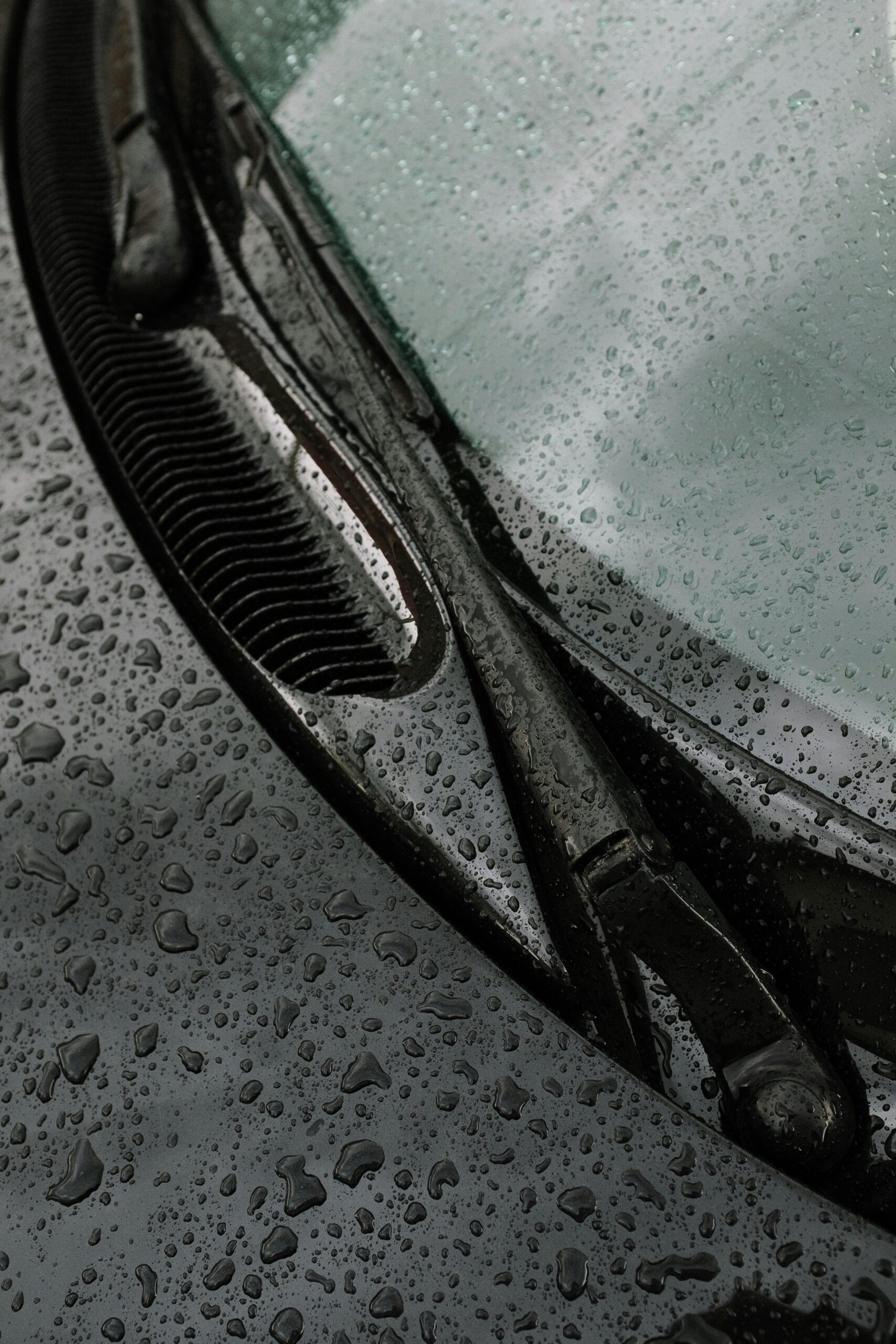

Clear Vision, Reliable Wipers – Drive with Confidence!
Premium wiper blades for every ride – durability, clarity, and performance you can trust.
Need Help?
Customer Service
Store Information
Copyright 2025 © AutoCross.
