
How to Clean Wiper Blades for Clearer Views
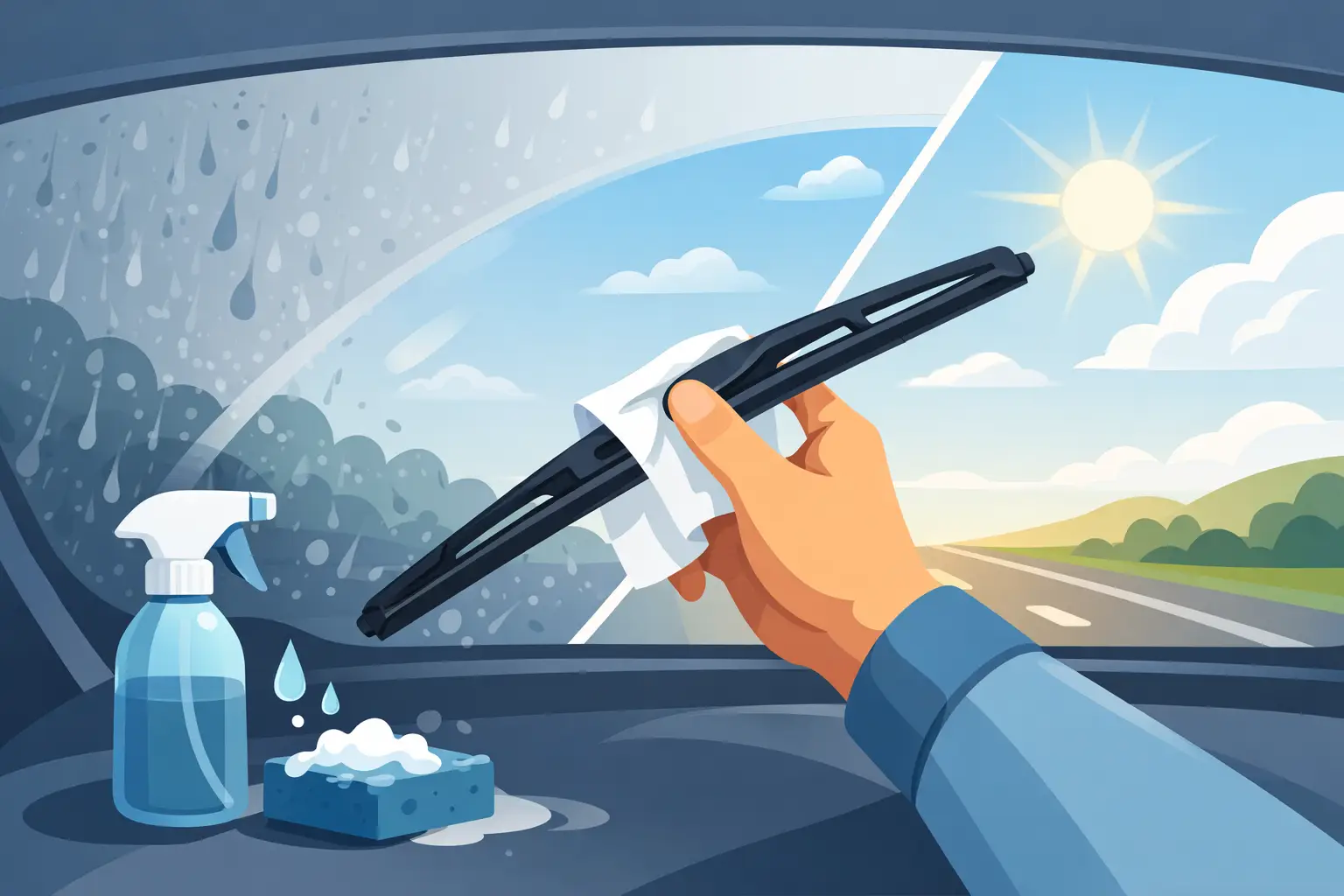
That greasy smear across the windscreen usually shows up at the worst possible moment: a sudden downpour, low afternoon sun or spray from the car ahead. Before assuming your wipers are finished, learning how to clean wiper blades properly can often bring back a smoother, clearer wipe in just a few minutes.
Clean blades remove road film, dust, insect residue and oil that collect on the rubber edge. It is simple maintenance, but it makes a real difference when visibility matters. No squeaks. No streaks. Just clearer views when the weather turns.
Why wiper blades get dirty
Every time your wipers sweep across the windscreen, they pick up more than rainwater. Australian roads can throw plenty at them: dry dust, coastal salt, tree sap, bug splatter, smoke residue and oily film from traffic. Even a clean-looking windscreen can leave grime behind on the blade’s rubber edge.
That buildup stops the rubber from sitting evenly against the glass. Instead of clearing water in one smooth pass, the blade may chatter, smear or leave thin lines in your field of vision. Cleaning can fix contamination, but it cannot repair rubber that has split, hardened or lost its shape.
Heat is another factor. Long days parked in the sun can dry out and distort wiper rubber, especially if the blades are already old. A quick clean is worth trying first, but persistent streaking is usually a sign you need a fresh set.
What you need to clean wiper blades
You do not need a garage full of products. Grab a clean microfibre cloth, a bucket or bowl of warm water, and a small amount of mild car-wash shampoo or dishwashing liquid. A quality glass cleaner is useful for the windscreen too.
Avoid harsh degreasers, petrol, thinners, bleach and abrasive pads. They may seem like a fast fix, but they can damage the rubber compound or leave residue that makes wiping worse. Strong solvents can also dry the blade out faster, which is the opposite of what you want.
How to clean wiper blades in five minutes
Start with a cool windscreen
Park in the shade where possible and make sure the windscreen is cool to the touch. Cleaning hot glass causes water and cleaner to dry too quickly, which can leave marks behind. Switch the ignition off before lifting the wiper arms.
Lift each arm carefully away from the glass. Do not pull it further than it naturally wants to go, and never let it snap back onto the windscreen. The exposed metal arm can chip or crack glass if it falls suddenly. If your vehicle has tucked-away or service-position wipers, check the owner’s manual before moving them.
Clean the rubber edge, not just the frame
Wet your microfibre cloth with warm, soapy water and wring it out so it is damp rather than dripping. Hold the blade gently and run the cloth along the full length of the rubber wiping edge, from one end to the other.
You may see black or brown marks on the cloth. That is usually a mix of road grime and oxidised rubber. Rinse the cloth and repeat until it comes away mostly clean. Take your time around the ends of the blade, where dirt often collects.
Do not scrub aggressively or twist the rubber lip. The edge needs to remain straight and flexible to make even contact with the windscreen. A light, thorough wipe is enough.
Clean the windscreen before putting the blades down
Dirty glass quickly transfers grime straight back onto freshly cleaned wipers. Use a proper glass cleaner and a separate clean microfibre cloth to wipe the outside of your windscreen. Pay attention to the area where the blades rest, as this can hold dust, leaves and oily residue.
If you have stubborn bug marks or tree sap, soak them with your cleaner for a moment rather than scraping at the glass. Clean around the washer jets as well, so they can spray evenly when you need them.
Wipe dry and test with washer fluid
Use a dry section of cloth to gently dry the rubber blades, then lower the arms carefully back onto the glass. Run the washers and wipers for a few passes. Washer fluid helps flush away any remaining residue and lets you check the result without running the blades over dry glass.
A clean blade should move smoothly and leave the glass clear. If there is still a light haze, clean the windscreen again. If the same streak remains in the same spot after both the glass and blades are clean, the rubber edge is likely damaged or uneven.
How often should you clean your wiper blades?
For most drivers, a monthly clean is a good habit. It takes only a few minutes and can help blades work better for longer. Clean them more often if you drive on dusty regional roads, park under trees, live near the coast or regularly deal with bugs and grime on the windscreen.
It also makes sense to clean the blades whenever you wash the car. You are already cleaning the glass, so it is an easy extra step that helps maintain clear vision.
Cleaning is not a substitute for replacement, though. Most wiper blades need changing about every six to 12 months, depending on sun exposure, use and conditions. A vehicle that sits outdoors through a hot Australian summer may need new blades sooner than one kept under cover.
Signs cleaning is no longer enough
A clean can remove surface grime, but it cannot restore worn rubber. Replace your wiper blades if they keep streaking after cleaning, skip across the windscreen, squeak loudly, leave unwiped patches or have visible cracks and splits.
Also check for a bent wiper arm or loose blade connection if one side of the windscreen is not clearing properly. Sometimes the blade itself is fine, but it is not pressing evenly against the glass. If the arm is bent, avoid forcing it back yourself unless you are confident with the repair. It is easy to make the alignment worse.
A new set is the smarter call when the rubber feels hard, the wiping edge looks jagged or the blade chatters in normal rain. Clear sightlines are too important to put off over a worn-out maintenance item.
Common wiper-cleaning mistakes to avoid
The biggest mistake is using the wipers on a dry, dusty windscreen. Dry wiping drags grit across the glass and rubber, creating extra wear and potentially fine scratches. Use washer fluid first, especially after the car has been parked outside.
Another common mistake is applying tyre shine, wax or oily dashboard products near the windscreen. Overspray can settle on the glass and cause smearing that looks like a wiper problem. Keep these products away from the windscreen and clean the glass if you notice a greasy film.
Finally, do not keep trying stronger cleaners when a blade is clearly worn. Solvents may temporarily change how the rubber feels, but they will not restore its precision edge. Replacing tired blades is safer and usually more affordable than tolerating poor visibility through the next storm.
Keep clear vision simple
A clean windscreen and clean wiper blades are one of the easiest ways to make every drive safer, whether you are commuting through rain, heading up the coast or doing the school run. If cleaning no longer gives you a clear, quiet wipe, choose vehicle-specific replacement blades that fit properly from the start. Auto Cross makes that part simple with matched wiper kits built for Australian conditions.
Give your blades a quick wipe at your next car wash. Your next wet-weather drive will be a lot easier to see through.
Posts Widget



Copyright 2026 © AutoCross. | Sitemap
