
Vehicle Finder Wiper Selection Made Simple
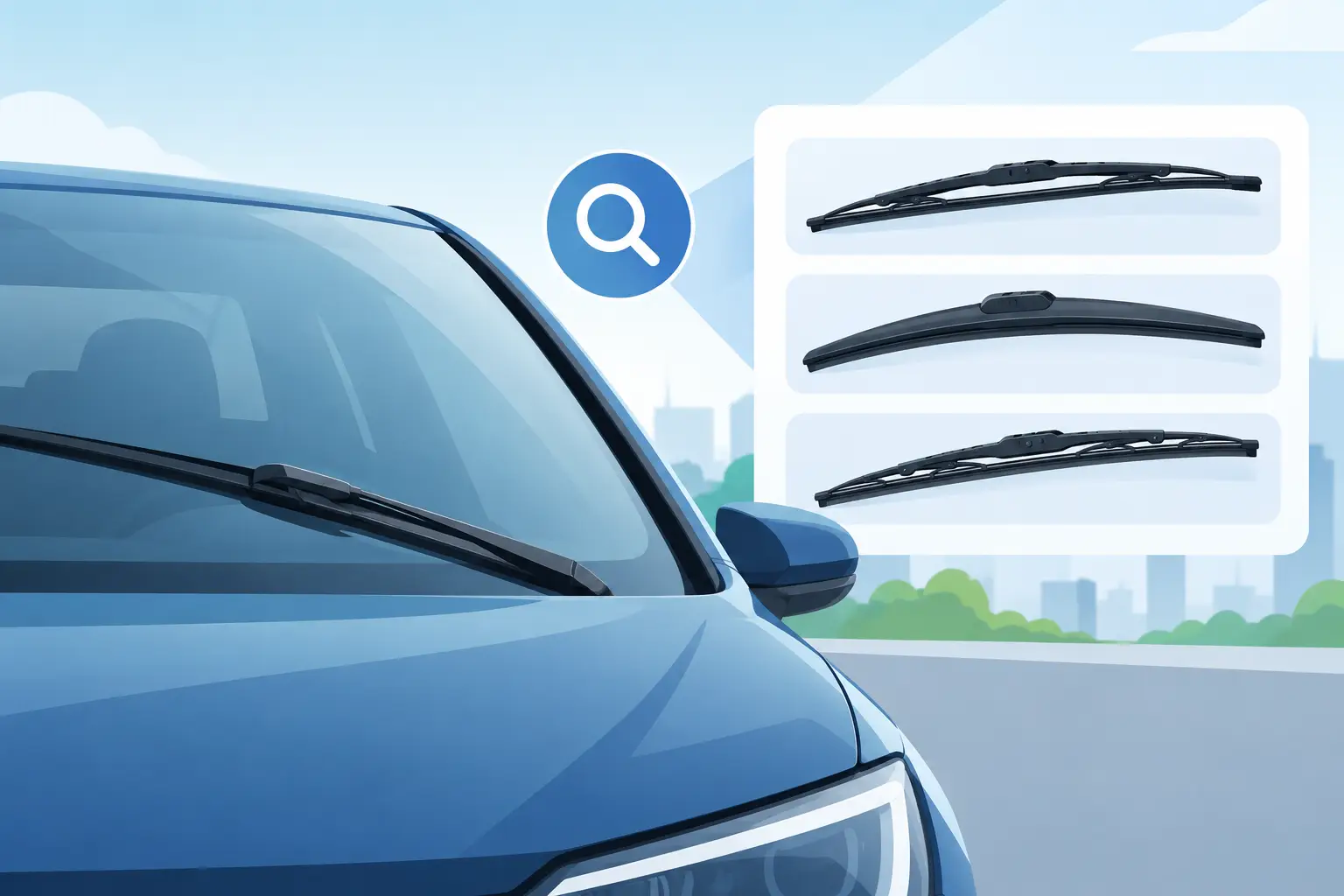
The first heavy shower after a dry spell is when tired wipers usually show their hand. Instead of clearing the windscreen, they smear grit across the glass, chatter over the surface or leave a hazy strip right in your line of sight. Vehicle finder wiper selection takes the guesswork out of fixing it: enter your car’s make, model and year, then choose blades made to fit.
That matters more than it sounds. Wiper blades are a small maintenance job, but clear vision is not a small thing when rain hits on the motorway, spray comes off a truck, or the morning sun catches a dirty windscreen. The right blades should wipe quietly, sit firmly against the glass and clear water in a clean pass. No squeaks. No streaks. Just clear views.
Why a vehicle finder beats measuring old wipers
Many drivers assume every blade is much the same. They are not. Front wipers can be different lengths on the same vehicle, use different arm connections and have a different curve to suit the windscreen. Rear wipers are even less universal, particularly on hatchbacks, SUVs and wagons.
Measuring your old blades can be useful as a rough check, but it is not a reliable way to buy replacements. The blade may have been changed incorrectly before you owned the car, a previous owner may have fitted a near-enough size, or the adaptor style may not match the wiper arm. A blade that is too long can clash with the other wiper or hit the windscreen trim. One that is too short can leave a larger unwiped patch.
A vehicle finder starts with the details that matter: make, model and year. It matches your car to the correct front pair, and rear blade where applicable, so you can order with confidence rather than stand in an aisle comparing boxes.
How vehicle finder wiper selection works
The process should be quick. Start by selecting the vehicle manufacturer, then choose the model and its year. If your vehicle has a variant listed, choose that too. The finder uses those details to identify the blade lengths and connection type designed for your car.
Get the vehicle details right
The most common source of an incorrect order is selecting a model that looks similar to yours but belongs to a different generation. This can happen with long-running nameplates where the body shape changed over the years. Check the year on your registration papers, then select the exact model shown in the finder.
If you are unsure whether your car is a sedan, hatch, wagon, SUV or ute variant, check the badges on the tailgate or boot, your owner’s manual, or the vehicle details on your registration. Taking an extra minute here saves the hassle of ordering a blade that is close but not correct.
Imported vehicles and some newer models can have small differences, too. A good finder will show the matching kit for the vehicle selected rather than expecting you to interpret a string of blade codes.
Choose front blades, rear blades or both
Most passenger vehicles use two front blades, usually supplied as a matched pair. Replacing both together makes sense because they have faced the same sun, heat, rain and road grime. Fitting one fresh blade next to one worn blade often leaves you with uneven performance and a second replacement job not far down the track.
Not every vehicle has a rear wiper. If yours does, replacing it at the same time can be a smart move, especially if it skips across the glass or leaves water behind when reversing in the rain. For SUVs, hatchbacks and wagons, rear visibility can make a real difference in car parks, school drop-offs and wet-weather lane changes.
Look for a pre-fit adaptor
The blade’s rubber edge gets most of the attention, but the adaptor is what lets it lock onto your wiper arm correctly. A matched kit with pre-fit adaptors removes another frustrating step from the job. You should not need to modify parts, force a connection or make a questionable universal adaptor work.
Once your blades arrive, lift the wiper arm carefully away from the windscreen, release the old blade and click the new one into place. It is often a job of less than 30 seconds per blade. Before lowering the arm, give the blade a gentle tug to check it is secure. Never let a bare metal wiper arm snap back onto the glass, as it can crack or chip the windscreen.
What good wiper blades should deliver
Correct fitment gets you started. Blade quality determines how the wipers perform once Australian weather gets involved. Summer heat can harden cheap rubber, coastal salt can leave residue, and long dry periods can build dust and grit on the windscreen. Then a sudden downpour asks the blades to work perfectly.
A quality blade uses durable rubber that stays flexible for longer, helping it maintain contact across the glass. That contact is what clears water without smearing. Aerodynamic construction also helps keep the blade planted at speed, so it does not lift, judder or leave a wet band across the screen when you are driving on the freeway.
Quiet wiping matters as well. A squeaking or chattering blade is not merely annoying. It can be a sign the rubber edge is worn, contaminated or no longer following the shape of the windscreen properly. If a quick clean does not fix it, replacement is usually the sensible call.
Signs it is time to replace your wipers
Wipers rarely fail all at once. Their performance gets worse gradually, which makes it easy to put off replacing them. Watch for signs such as streaking, smearing, skipping, split rubber, squealing or sections of the windscreen that remain wet after a wipe.
You may also notice a problem when driving toward low sun. Fine streaks that seem minor in overcast weather can create glare when sunlight hits the windscreen. That is exactly when a clear, clean wipe becomes a safety issue.
As a general rule, inspect blades every few months and expect to replace them about every 6 to 12 months. The real answer depends on where and how you drive. A car parked outside in harsh sun, used on dusty regional roads or driven daily through wet conditions may need blades sooner than a garaged weekend vehicle.
Make new wipers last longer
New blades work best on a clean windscreen. Before fitting them, wash away dust, insects, tree sap and oily road film. Then wipe the rubber edge gently with a clean damp cloth. A dirty screen can wear even a new blade quickly and can create streaks that look like a blade fault.
Avoid running wipers over a dry, dusty windscreen where possible. Use the washer fluid first to provide lubrication. Keep washer fluid topped up rather than relying on plain water, particularly after long drives when grime builds up. If your car sits outside, lifting the wipers during extreme heat is not usually necessary, but regular cleaning will help reduce baked-on residue.
Do not ignore the washer jets, either. Poorly aimed or blocked jets can leave parts of the screen dry, making the blades work harder and reducing visibility. A properly functioning washer system and the right wiper kit work together.
Buy for fitment, then drive with confidence
The cheapest generic blade is not always the best value if it does not sit properly, needs an adaptor workaround or wears out after a few hot months. A vehicle-specific kit costs you less time and gives you a better chance of getting clear, quiet wiping from the first drive.
Auto Cross matches premium OEM-grade front and rear wiper kits to your vehicle, with a perfect-fit guarantee, 12-month warranty and hassle-free returns. That means you can skip the workshop, avoid the parts-store confusion and fit your blades at home when it suits you.
Before the next rain band rolls through, take a look through your windscreen in bright light. If you can see streaks, hear chatter or notice missed patches, your wipers are already telling you what to do. A few clicks now can make every wet-weather drive feel safer.
Posts Widget



Copyright 2026 © AutoCross. | Sitemap
