
Wiper Blades for Older Cars That Fit First Time
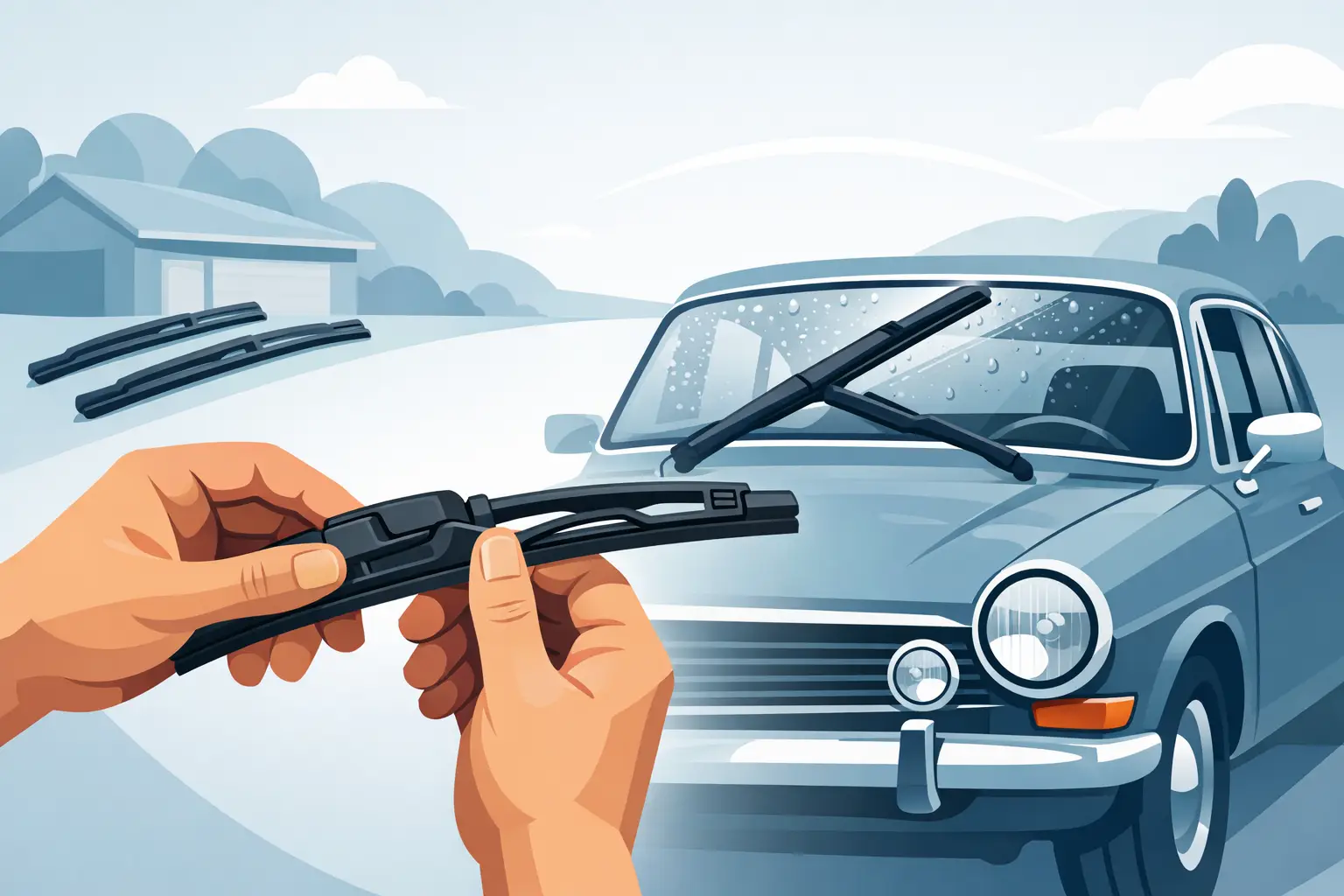
That older car might still start first go, handle the school run and cruise down the highway without missing a beat. But when rain hits and the windscreen turns into a smeary mess, worn wipers quickly become a safety problem. The right wiper blades for older cars bring back the clear, quiet wipe your vehicle needs – without a workshop visit or guesswork at the parts counter.
Older vehicles deserve parts that fit properly, not a universal blade that is close enough. No squeaks. No streaks. Just clear views.
Why older cars need the right wiper blade fit
Wiper systems have changed more than many drivers realise. A 1980s or 1990s sedan may use a different arm connection, blade length or mounting style from a newer model – even when the cars look similar. The front passenger blade can also be a different length from the driver’s side, while some wagons, hatchbacks and SUVs have a separate rear blade to consider.
That is why buying by appearance can create an annoying problem. A blade may attach to the arm but sit at the wrong angle, miss part of the glass or lift at speed. It can also be too long and catch the windscreen trim, or too short and leave a frustrating unwiped section right in your line of sight.
Vehicle-specific matching takes the uncertainty out of it. Select the make, model and year, then choose a kit designed for that vehicle’s wiper arms and screen shape. It is the simple way to get a proper fit first time.
Signs your old car needs new wipers
Most people notice worn blades during the first proper downpour of the season. By then, the rubber may already be cracked, hardened or uneven from months of sun, dust and road grime.
Streaking is the obvious sign, but it is not the only one. Chattering across the glass, squeaking, smearing water rather than clearing it, or leaving lines directly in front of the driver all point to wipers that are past their best. A blade that skips can be caused by a dirty windscreen, but if cleaning the glass does not solve it, replacement is usually the answer.
Check the rubber closely as well. If the wiping edge is split, jagged, faded or pulling away from the frame, do not wait for the next wet drive. Australian heat is hard on rubber, especially on a car parked outdoors. A set that looks fine at a glance can still have lost the flexibility needed to follow the curve of the windscreen.
As a general rule, replacing blades every six to 12 months is sensible. Cars that live outside, cover long distances or regularly travel through dusty regional areas may need them sooner.
Choosing wiper blades for older cars
The best replacement is not always the most expensive-looking blade on the shelf. It is the one that matches your vehicle and delivers consistent contact across the windscreen.
Start with your exact make, model and year
This is the detail that matters most. A model name alone is not enough because a car can have several generations, body styles and wiper arm designs. For example, a sedan and wagon from the same model range may not share the same rear wiper setup. Imported vehicles can add another layer of variation.
Use your vehicle details rather than measuring an old blade and hoping for the best. Measuring can help as a double-check, but old blades may have been replaced with the wrong size previously. A vehicle finder that matches the kit to your exact car is the faster, safer option.
Look for quality rubber, not bargain-bin rubber
A new blade should wipe cleanly from day one. Premium rubber is designed to stay flexible, resist splitting and clear water without that constant chatter across the glass. This matters on older windscreens, which can have minor wear or surface imperfections after years on the road.
Cheaper blades can be tempting, particularly when maintaining an older vehicle on a budget. The trade-off is that poor-quality rubber often hardens quickly, wipes inconsistently and needs replacing again sooner. Spending a little more on a durable, OEM-grade replacement can mean better visibility and better value over the year.
Consider beam and conventional blade styles
Older cars commonly came with conventional framed wipers. These use a metal frame with several pressure points and can work very well when correctly matched to the car.
Beam-style blades have a more streamlined profile and use a flexible internal spine to apply even pressure. They can offer smoother operation and improved performance in heavy rain, particularly at highway speeds. However, whether they suit your car depends on the arm connection and available fitment adaptor.
The key is compatibility, not chasing a particular style. A well-fitted conventional blade is far better than a beam blade that does not sit correctly on the screen.
Installation should take seconds, not a toolbox
Replacing wipers on an older car is usually one of the easiest maintenance jobs you can do at home. Once you have the correct kit and pre-fit adaptor, it often takes less than 30 seconds per blade.
Lift the wiper arm away from the windscreen carefully, release the old blade from the connector and slide or click the new one into place. Give it a gentle pull to check it is secure, then lower the arm slowly back onto the glass. Never let a bare wiper arm snap back against the windscreen – the metal arm can crack the glass.
Before driving off, spray washer fluid and run the wipers. Watch for full, smooth contact and make sure the blades do not collide or catch on any trim. If they streak immediately, clean the windscreen thoroughly first. A film of dust, tree sap, road grime or old detailing products can affect even a brand-new blade.
Do not forget the rear wiper
Rear wipers are easy to overlook because drivers tend to notice front-screen problems first. On hatchbacks, wagons and SUVs, though, the rear blade is vital for reversing in wet weather and seeing traffic behind you.
Rear blades can have a very different connector from the front pair, so do not assume a spare front blade will work. Check whether your vehicle needs a separate rear wiper and match it by make, model and year. If the rear glass is leaving a blurred arc or the blade has started squealing, replace it at the same time as the fronts.
Get more life from your new blades
New blades perform best on clean glass. Wipe the windscreen regularly with a proper glass cleaner and a clean microfibre cloth, especially after long drives, dusty conditions or parking beneath trees. Build-up on the glass can drag against the rubber and cause streaks that look like blade failure.
Avoid using the wipers to clear dry dirt, sand or leaves. Use washer fluid first, or remove heavier debris by hand when the car is parked safely. Running dry wipers over grit can damage both the rubber edge and the windscreen.
It also pays to check your washer fluid. Plain water may be enough in a pinch, but a quality washer additive helps lift road film and bugs from the glass. Clear visibility is a team effort between the windscreen, washer system and wiper blades.
Clear vision is worth getting right
Your older car does not need complicated maintenance to stay safe and dependable. It needs the everyday essentials sorted before they become a problem. With a vehicle-specific kit, durable rubber and a simple at-home fit, Auto Cross makes replacing tired wipers straightforward. Choose the right blades now, and the next sudden downpour will be one less thing to worry about.
Posts Widget



Copyright 2026 © AutoCross. | Sitemap
