
Car Vacuum Guide for Cleaner Drives and Homes
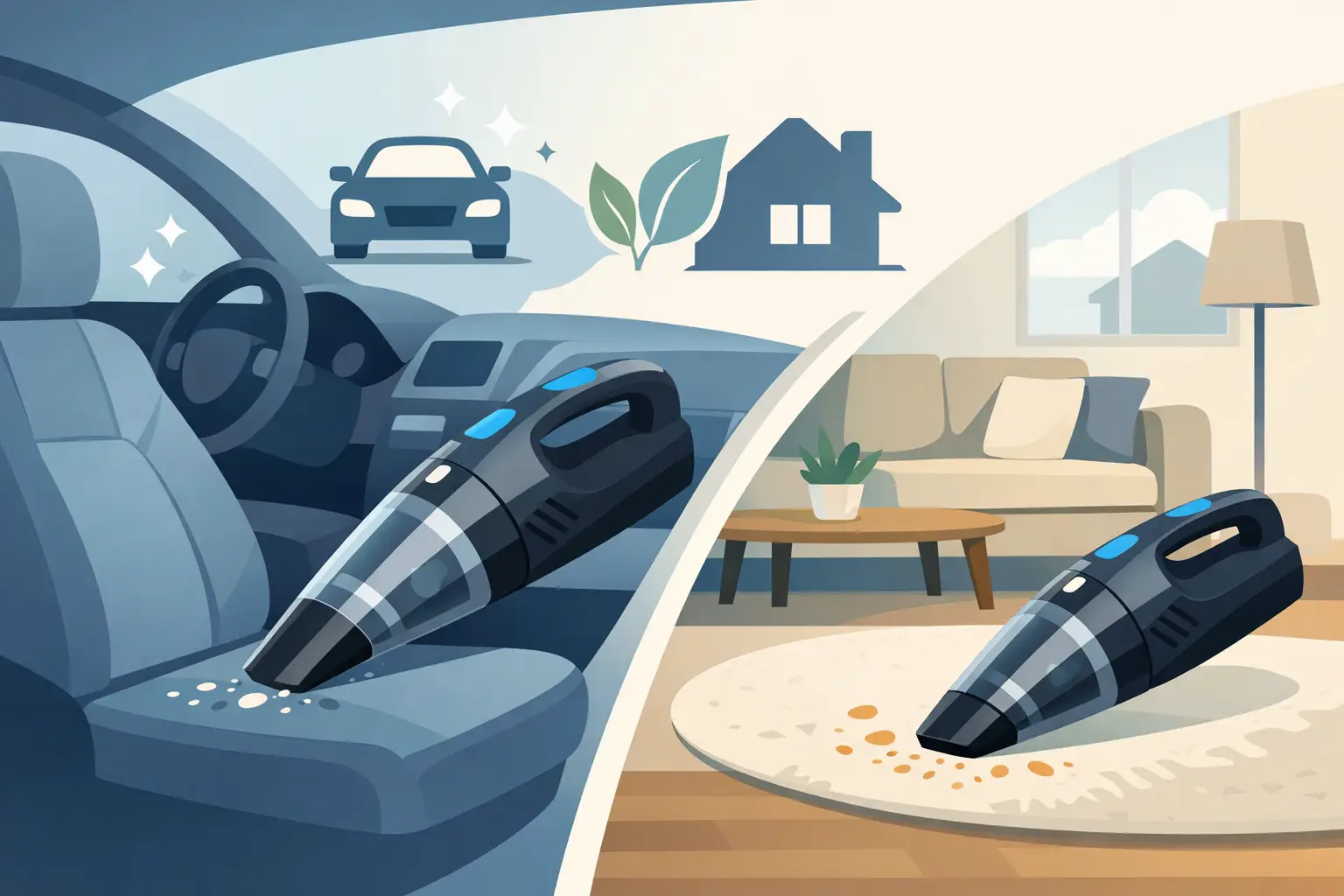
The chips under the child seat, sand in the footwells and dog hair clinging to the boot carpet do more than make your car look untidy. They settle into fabric, create lingering smells and make every school run or commute feel a bit less pleasant. A good car vacuum is the simple fix – quick to grab, strong enough for everyday mess, and useful well beyond the driveway.
For most Australian drivers, the best choice is not the biggest vacuum with the most bells and whistles. It is the one you will actually use: easy to charge, easy to store and fitted with the right tools for seats, mats, door pockets and those awkward gaps beside the centre console.
What a car vacuum needs to do well
Car interiors are full of tight spaces that a standard household vacuum can struggle to reach. Crumbs collect between seat rails, red dirt works its way into carpet, and pet hair seems to attach itself permanently to upholstery. That means suction matters, but it is only one part of the job.
A practical car vacuum should be compact enough to manoeuvre around the cabin without dragging a long cord across the driveway. It should also have a narrow crevice tool for seat gaps and air vents, plus a brush attachment for fabric seats, carpet and dashboard surfaces. If you carry kids, pets, sports gear or work equipment, these attachments are not extras – they are what turn a quick clean into a proper result.
Cordless models are particularly handy because you can clean wherever the car is parked. No extension lead. No hunting for a power point. Just charge it, keep it within reach and deal with the mess before it gets ground in.
Cordless car vacuum or full-size vacuum?
A cordless car vacuum is built for speed and convenience. It is ideal for a five-minute clean after a beach trip, a weekly tidy before passengers get in, or a quick pass over the seats before selling your car. Its smaller size makes it easier to use in a sedan, SUV, ute or hatchback, especially around the back seats and boot.
The trade-off is capacity. Compact vacuums have smaller dust bins and shorter run times than a full-size household unit. If you are deep-cleaning a heavily soiled family car after a camping holiday, you may need to empty the bin once or twice and work in sections. That is not a deal-breaker – it simply means choosing a tool that matches how you clean.
A larger corded vacuum can make sense if you have several vehicles, regularly detail cars or want to spend an hour on a full interior refresh. For most households, though, a cordless unit wins because it removes the biggest barrier to cleaning: effort. The easier it is to start, the more often the job gets done.
Features worth checking before you buy
It is easy to get distracted by big claims. Focus on the features that affect real-world cleaning instead.
Useful suction, not just a big number
A car vacuum needs enough power to lift grit from carpets, pick up dry leaves from mats and remove everyday food debris from seats. Strong suction is particularly valuable on textured boot liners and thick floor mats, where dirt can lodge below the surface.
But power alone does not guarantee a clean cabin. Airflow, nozzle design and battery condition all play a role. A well-designed narrow nozzle can pull debris from a seat seam more effectively than a larger head that cannot get close enough.
Battery life that suits your routine
For a regular maintenance clean, a compact cordless vacuum does not need an hour of runtime. It needs enough charge to clean the floors, seats, mats and boot without stopping halfway through. A quick recharge is also useful for busy households where the vacuum may be used for the car one day and the lounge room the next.
Battery performance can reduce over time, so follow the charging instructions and avoid leaving the unit flat for long periods. If your car gets extremely hot in summer, store the vacuum indoors rather than in the boot. Heat is tough on batteries and plastics alike.
Attachments that earn their place
The best accessories solve common vehicle-cleaning problems. A crevice nozzle reaches between seats, beneath seat rails and into door storage pockets. A soft brush helps lift dust from dashboards, trim and fabric without scratching delicate surfaces. A wider head speeds up cleaning on mats and boot carpet.
If pet hair is part of life, use a brush attachment with short, controlled passes. Work in one direction first, then across the fabric. You may need a few passes on stubborn hair, particularly on darker cloth seats where every strand stands out.
Easy emptying and filter care
A removable dust bin makes the whole process faster and less messy. Empty it after each substantial clean, especially if you have picked up sand, soil or fine dust. Leaving debris in the bin can reduce airflow and create stale odours.
Check whether the filter is washable and how it should be dried. A damp filter should never go straight back into the vacuum. Let it dry fully, then refit it properly so the vacuum can maintain its suction.
How to vacuum your car properly
Start by removing obvious rubbish, drink bottles and larger items from the cabin. Take out floor mats and shake them away from the car before vacuuming. This prevents loose dirt from being redistributed across the carpet.
Begin high and finish low. Brush the dashboard, vents and door trims first, then move to the seats, centre console and floor. Dust falls as you work, so cleaning the carpets last avoids doing the same area twice.
Use the crevice tool around the gear selector, under the front seats and along the join between seat cushions and backrests. These spots hold an impressive amount of crumbs, coins and dust. Slide the front seats forward and back to expose the rails and carpet underneath.
For carpeted mats and the boot, use slow overlapping strokes rather than fast swipes. Let the suction do the work. If dirt has been packed into the fibres, agitate the area gently with a brush attachment before vacuuming again.
Do not use a car vacuum on wet spills unless it is specifically designed for wet-and-dry use. For a fresh drink spill, blot it with a clean absorbent cloth first. Then allow the area to dry fully to help prevent mould and unpleasant smells.
Keep the clean going between bigger jobs
A spotless interior does not require a full detail every weekend. A small reset after messy trips makes the biggest difference. Empty takeaway wrappers at the end of a drive, shake sand from mats after the beach and vacuum visible crumbs before they are crushed into the seats.
Keep a microfibre cloth in the glove box for dust and fingerprints, but avoid loading the car with cleaning products that can leak in the heat. Your main cleaning kit can stay at home, ready for a quick session when needed.
For families, set a simple rule: rubbish comes out when everyone gets out. For pet owners, place a washable cover on the back seat or cargo area before heading out. These habits reduce the amount of work your vacuum needs to do later.
A car vacuum that works at home too
The value of a cordless unit rises quickly when it can handle more than your vehicle. It is useful for sofa crumbs, stair edges, window tracks, garage benches and small spills around the house. A blower function can be equally practical for clearing dry leaves from the garage, dust from hard-to-reach spots or debris around floor mats before vacuuming.
The AutoVac 20 is designed around that kind of everyday flexibility: compact cleaning power for the car, plus practical help around the home. It is a sensible choice when you want one convenient tool instead of another bulky appliance taking up space.
Clean seats, clear footwells and a fresh boot make every drive feel better – whether you are heading to work, taking the kids to sport or packing up for a weekend away. Keep a capable vacuum charged, use it little and often, and your car will stay ready for whatever the road brings.
Posts Widget



Copyright 2026 © AutoCross. | Sitemap
