
OEM Grade Wiper Blades: Are They Worth It?
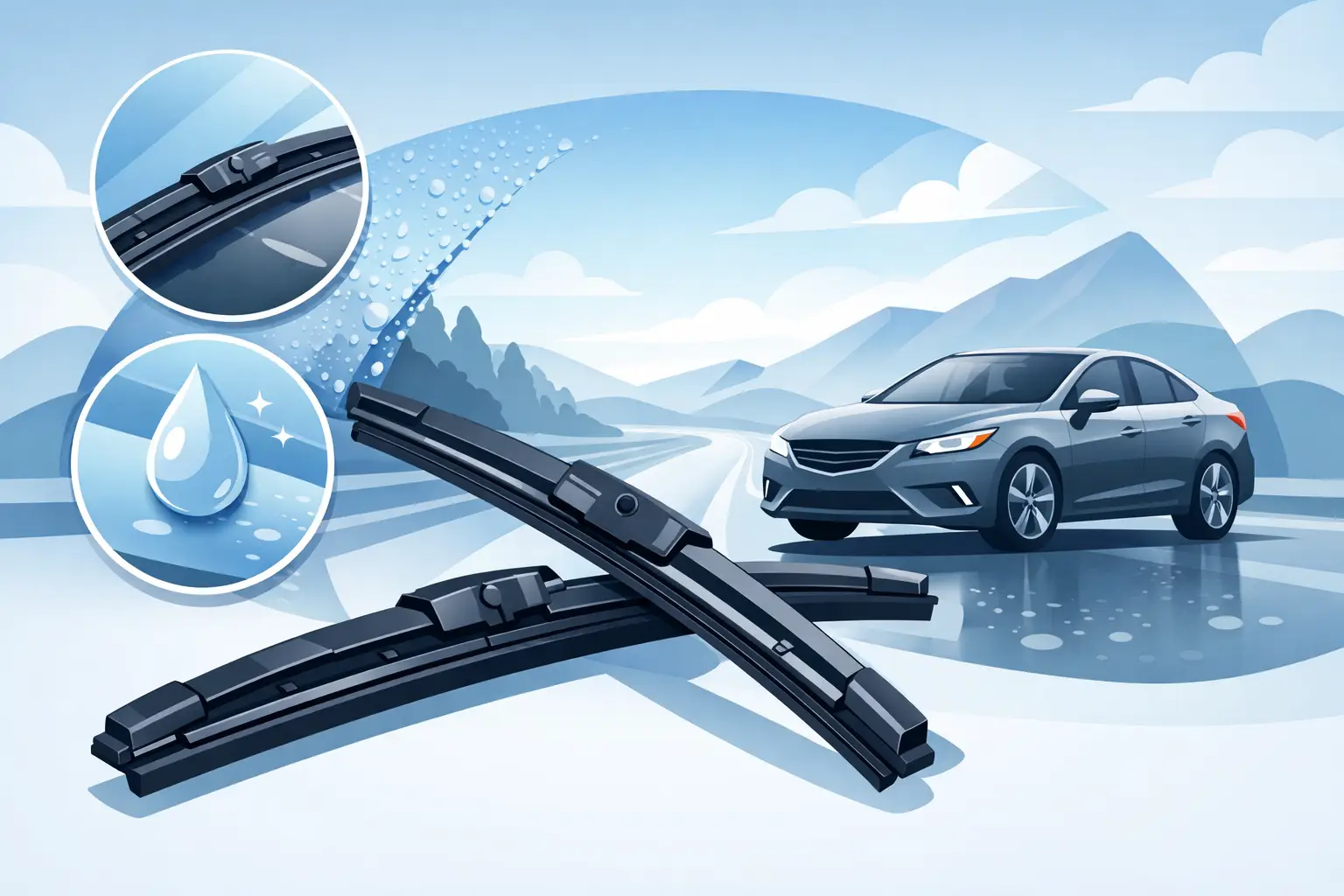
A windscreen can look fine until the first proper downpour turns every streetlight into a blur. If your blades chatter across the glass, leave a hazy film or miss sections of the screen, it is time to replace them. OEM grade wiper blades are designed to deliver the kind of clean, quiet, reliable wipe drivers expect from a new vehicle – without paying workshop or dealership prices.
For Australian drivers, that matters well beyond rainy days. Heat, UV exposure, dust, salt air and sudden storms all work on wiper rubber. A quality replacement set helps keep the road ahead clear when conditions change quickly. No squeaks. No streaks. Just clear views.
What does OEM grade mean for wiper blades?
OEM stands for Original Equipment Manufacturer. In simple terms, OEM-grade wiper blades are built to meet the performance and fitment standards associated with the blades supplied with a new vehicle. They are not necessarily the branded parts supplied by a car manufacturer, but they should deliver comparable quality where it counts: fit, wiping performance, material durability and aerodynamic design.
That distinction is useful. A genuine dealer part may be a good option, but it can carry a premium price. A cheap universal blade may cost less upfront, yet it often brings compromises. The adaptor may sit loosely, the blade may not follow the windscreen curve properly, or the rubber may harden quickly in the sun.
A vehicle-specific OEM-grade kit sits in the practical middle ground. You get blades selected for your make, model and year, with the right attachment system and lengths, plus the performance needed for daily driving.
Why fitment is the first thing to get right
Wiper blades are not one-size-fits-all. Even two versions of the same model can use different blade lengths, arm fittings or rear-wiper connections. That is why measuring an old blade in the driveway is not always enough.
The correct fit means the blade locks securely to the arm and sits at the right angle on the glass. It also means the wiping edge can maintain even pressure from one end of the blade to the other. Get this wrong and you can end up with skipped patches, lifting at highway speeds or a blade that simply will not attach.
This is particularly relevant for newer cars with concealed wiper arms, European vehicles with specific connectors, and SUVs or hatchbacks with rear wipers. A pre-fit adaptor removes the guesswork. Select your vehicle by make, model and year, then receive a kit matched to it. Perfect fit, guaranteed, is more than a nice line when the rain is bucketing down on the M1.
Front and rear blades are different jobs
Front blades clear the largest area of glass and need to perform well at speed. Rear blades are usually shorter and often use a different fitting, especially on wagons, hatchbacks and SUVs. Replacing only the front pair may be fine if the rear blade still wipes cleanly, but a smeary rear screen can make reversing in wet weather harder than it needs to be.
If both ends are showing their age, replacing the full set at once saves you from doing the job twice. It also gives you consistent visibility all round.
The features that make a real difference
The best wiper blade is not always the one with the most complicated packaging. It is the one that stays in contact with your windscreen, wipes cleanly and lasts through Australian conditions.
Quality rubber is the starting point. Advanced rubber compounds are made to resist cracking, splitting and hardening caused by heat and UV. When the edge stays supple, it can clear water in a smooth pass instead of dragging it into lines across the screen.
Aerodynamic construction is just as useful for regular motorway drivers. A streamlined, beam-style blade uses a curved frame or internal tension system to spread pressure evenly across the windscreen. It helps reduce wind lift at speed and keeps the wiping edge working across a curved screen. Traditional framed blades can still perform well on vehicles designed for them, but beam blades are often quieter and more effective on modern windscreens.
Then there is the sound. A small amount of noise during a dry wipe can happen, especially if washer fluid is low. Persistent chattering, however, is usually a sign of worn rubber, contamination or poor blade contact. OEM-grade blades with the correct profile and pressure are far less likely to squeak their way through every shower.
When your wipers need replacing
Do not wait until a heavy storm to check them. Wiper blades are a simple maintenance item, and the warning signs are easy to spot. Replace them when they leave streaks that do not clear on the next pass, smear water across the glass, skip or judder, make ongoing noise, or show visible cracks and frayed rubber.
Most drivers should expect to replace their wipers about every six to 12 months. It depends on where and how the vehicle is used. A car parked outdoors in Darwin, Perth or regional Queensland can wear through rubber faster than one kept under cover. Coastal salt, dusty roads, tree sap and frequent long-distance driving can also shorten blade life.
A quick monthly check helps. Lift the blade gently and inspect the rubber edge for damage. Clean the windscreen and wipe the rubber with a damp cloth to remove grit, bugs and road film. Cleaning will not repair old rubber, but it can stop a good blade from wearing prematurely.
OEM grade wiper blades versus cheap universal blades
A universal blade can be tempting when it is hanging on a retail wall at a low price. Sometimes it will do the job. But the trade-off is usually time, uncertainty and potentially weaker performance.
Universal kits commonly include several adaptors, leaving you to work out which one fits. They may cover a broad size range rather than the exact length specified for your vehicle. That can lead to a blade that is too long and catches the windscreen trim, or too short and leaves valuable viewing area uncleared.
OEM-grade vehicle-specific blades cost a little more than the cheapest option, but the value is in getting the right kit first time. You avoid a return trip, avoid wrestling with unfamiliar adaptors and get a blade designed to match your car’s arm and screen shape. For a safety item you use every time it rains, that is a worthwhile upgrade.
Fitting new blades takes less time than you think
For most vehicles, replacing a wiper blade takes under 30 seconds per blade. Lift the wiper arm away from the windscreen, release the old blade from its connector, click the new blade into place and lower the arm carefully. A firm click is your reassurance that it is locked on.
Never let a bare wiper arm snap back onto the glass. The metal arm can crack or chip a windscreen if it springs down. It is also smart to place a folded towel on the glass while you work, particularly if you are changing blades in a driveway on a windy day.
Once fitted, test the blades with washer fluid. Look for a clean sweep, even contact and no loose movement at the connection point. If a blade does not sit correctly, stop and check the fitment rather than forcing it.
A small maintenance job with a big safety payoff
Clear visibility gives you more time to read brake lights, see cyclists, judge standing water and spot hazards on dark roads. It is one of those basic vehicle checks that is easy to overlook because the parts are small and inexpensive. Yet worn wipers can make an otherwise sound car feel unsafe in minutes.
Auto Cross makes the choice straightforward with OEM-grade front and rear wiper blade kits matched to your vehicle, built for Australian conditions and backed by a 12-month warranty. Select the right fit, install it at home and get back to driving with a clearer view ahead.
Before the next wet-weather run, take a look through your windscreen after one wipe. If it is anything less than clean and clear, your car is already telling you what it needs.
Posts Widget



Copyright 2026 © AutoCross. | Sitemap
