
Wiper Fitment: Get the Right Blades First Time
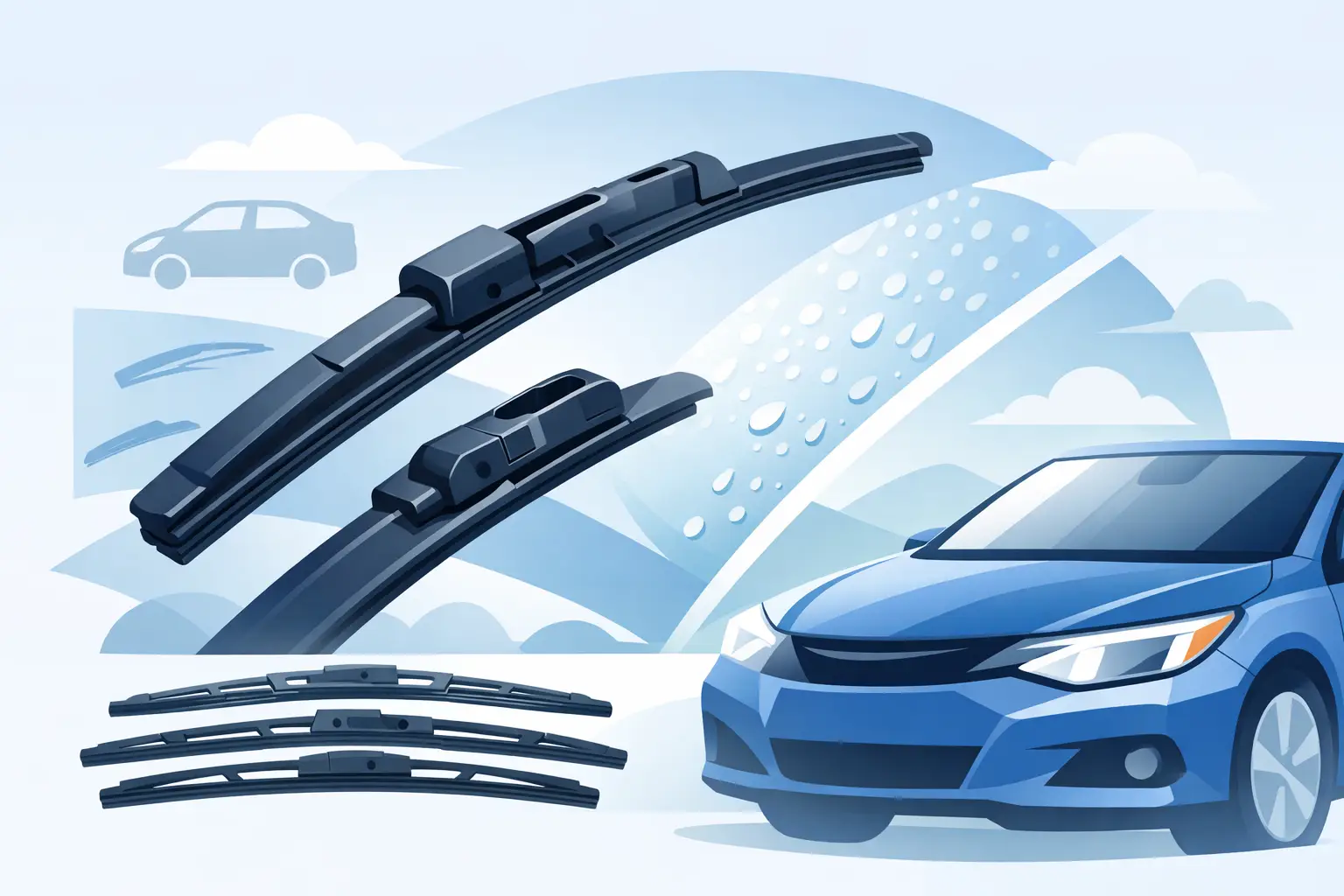
A wiper blade can look like a simple replacement part – until it clips on poorly, leaves a strip of water across the windscreen, or will not attach at all. That is why wiper fitment matters. The right blades are made to suit your exact vehicle, so they follow the screen properly, connect securely and clear rain without the chatter, smears or squeaks that make wet-weather driving harder than it needs to be.
For Australian drivers, clear visibility is not a nice extra. It is essential when a summer storm rolls through, when early-morning dew sits on the glass, or when road spray from a truck hits the windscreen on the motorway. A correctly fitted blade helps you see what is ahead – clearly, quietly and with less fuss.
What Does Wiper Fitment Actually Mean?
Wiper fitment is the match between a wiper blade and your vehicle’s wiper arm, windscreen shape and required blade length. It is more than choosing a blade that appears close enough in size.
Most vehicles use a specific combination of front blade lengths, and the driver’s and passenger’s sides are often different. The connector on the end of the wiper arm also matters. Hook-style arms are common, but many newer vehicles use push-button, pinch-tab, side-lock or bayonet-style connections. Rear wipers can be even more vehicle-specific, particularly on hatchbacks, wagons and SUVs.
The windscreen itself plays a part too. Modern screens are often heavily curved, which is why aerodynamic beam blades are designed to maintain even pressure from one end to the other. A blade that is technically the right length but wrong for the arm or screen may skip, lift at speed, miss the edges or wear out faster.
Perfect fit is not about making something work. It is about fitting a blade that performs as intended from the first wipe.
Why “Close Enough” Can Cost You
Buying generic wipers from a shelf can turn a five-minute job into a frustrating one. You may need to compare packaging, guess at an adaptor, measure an old blade or return to the shop when the connection does not match. Even if it attaches, the blade may not wipe the right area of glass.
A blade that is too long can overlap another blade, catch the windscreen trim or sit awkwardly at the bottom of the screen. One that is too short may leave an annoying unwiped section directly in your view. Poor connector fit can also allow movement in the arm, creating noise and inconsistent pressure.
There is a safety side to this as well. Streaks and haze are especially distracting at night, when headlights and streetlights reflect through the film left on the glass. In heavy rain, a missed patch can become a real visibility problem very quickly.
Getting the fitment right first time saves the return trip, the guesswork and the risk of driving with wipers that do not do their job.
The Easiest Way to Find Your Wiper Fitment
The simplest approach is to select your car’s make, model and year through a vehicle finder. This checks the fitment data against the vehicle rather than asking you to work it out from a blade sitting in your driveway.
Be as accurate as possible when entering your details. Some model names span several generations, body styles and facelift years. A hatch and sedan version of the same model can use different rear blades. A 4WD, SUV or ute may also have variations between model years. If your vehicle was built late in one year but sold as the following model year, check the compliance plate or your registration details if you are unsure.
Once your vehicle is selected, confirm whether you need a front pair, a rear blade or both. Front blades are commonly sold as a matched set because each side has its own required length. Rear blades are usually bought separately.
With Auto Cross, the aim is straightforward: select your vehicle, choose the matched kit and receive blades with the correct pre-fit adaptor. No measuring tape. No standing in an aisle comparing box labels. No squeaks. No streaks. Just clear views.
Check these details before you order
Before finalising your selection, take a moment to confirm the vehicle make, exact model, year and body type. If the model has a rear window wiper, make sure you are choosing the rear blade as well if it needs replacing.
It is also worth looking at the wiper arm on the car before delivery arrives. You do not need to identify the adaptor yourself when using a vehicle-specific finder, but seeing how the old blade connects gives you confidence when it is time to change it. If your car has aftermarket arms or has had a windscreen conversion, fitment may differ from factory specifications.
How to Tell When Your Wipers Need Replacing
Wiper blades do not always fail in one dramatic moment. More often, they slowly become less effective until you are leaning forward in the driver’s seat trying to see through a smear of water.
Replace them when they streak repeatedly after the windscreen has been cleaned, chatter or judder across the glass, squeak during normal use, leave a permanent line of water, or show splits and rough edges in the rubber. A blade that has started lifting away from the screen at highway speeds also deserves attention.
Heat, sun, dust and coastal air can all shorten rubber life. Australian conditions can be hard on blades, especially for vehicles parked outside. As a general rule, inspect your wipers every few months and expect to replace them around every 6 to 12 months, depending on use and exposure. If visibility is already poor, do not wait for a calendar reminder.
Sometimes the problem is not the blade alone. Dirt, wax residue, tree sap and grime on the windscreen can cause a good blade to skip or smear. Clean the glass with a proper automotive glass cleaner and wipe the rubber edge gently with a damp cloth. If the issue remains, replacement is usually the sensible move.
Fitting New Wiper Blades at Home
Vehicle-specific wipers are designed to make replacement quick. On many cars, installation takes less than 30 seconds per blade once you know the release point. The key is to be gentle with the wiper arm.
Lift the arm away from the windscreen and support it throughout the change. Remove the old blade using its release tab or slide mechanism, then click or slide the new blade into place until it is securely locked. Lower the arm carefully back onto the glass. Never let an uncovered metal arm snap down, as it can crack or chip the windscreen.
After fitting both front blades, turn on the washer and run the wipers. Watch for full contact across the glass, smooth movement and secure attachment. If a blade does not click into place, stop and check the adaptor rather than forcing it. The same care applies to a rear blade, although access and release mechanisms vary more between vehicles.
Better Fitment, Better Wet-Weather Driving
Premium blade design makes a difference only when it is matched to the car. Advanced rubber can provide a cleaner wipe, but it needs even pressure on the glass. An aerodynamic profile can help reduce wind lift, but it must be the right length and connection type. A pre-fit adaptor is convenient, but it still needs to suit your exact wiper arm.
That is the value of vehicle-specific fitment. It brings the practical benefits together: quieter operation, consistent contact, dependable clearing and a simpler replacement job at home. For commuters, families, rideshare drivers and anyone covering long regional kilometres, that confidence is worth more than a cheap blade that merely looks similar.
Clear vision starts before the rain does. Check your blades now, choose the fit made for your vehicle and keep the next wet drive calm, clear and under control.
Posts Widget



Copyright 2025 © AutoCross.
