
Cordless Car Vacuum: What Matters Before You Buy
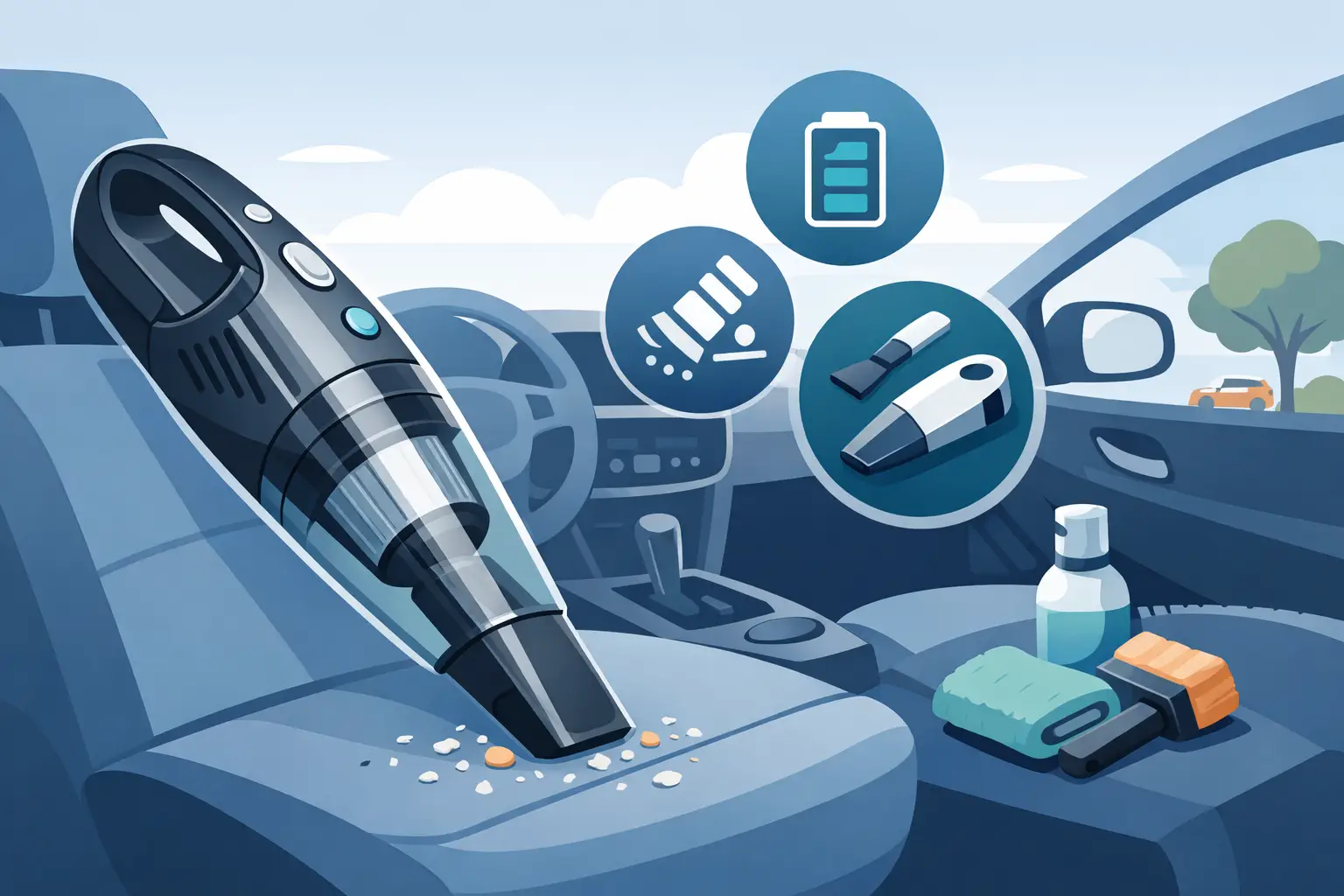
A cordless car vacuum earns its keep the first time it pulls beach sand from the carpet, yesterday’s chips from between the seats, or dog hair from the boot. For busy Australian drivers, it is one of those small tools that makes a car feel looked after without booking a detailer or dragging out a bulky household vacuum.
But not every compact vacuum is up to the job. The cheapest option can look neat in the cupboard, then run flat halfway through the footwells or leave grit behind in the carpet. The right choice comes down to practical details: real suction, useful attachments, battery runtime and a design you will actually reach for.
Why a cordless car vacuum makes sense
Cars collect a particular kind of mess. Fine dust builds up on the dash, gravel finds its way into floor mats, kids drop snacks in impossible places and pet hair clings to fabric like it owns the place. A full-size vacuum can handle it, but getting a power cord across the driveway and around the car is often enough to put the job off.
A cordless model removes that friction. Keep it charged, grab it when you notice the mess and clean the high-traffic areas in a few minutes. That is especially handy for families, rideshare drivers, tradies with a ute and anyone who spends plenty of time on regional roads or near the coast.
It is also useful beyond the cabin. You can clean door pockets, the boot, child seats and floor mats without relying on a servo vacuum. Some car and home units add a blower function, which can help shift loose dust from tight crevices before vacuuming it up.
What a cordless car vacuum needs to handle
The word “cordless” tells you how it is powered, not how well it cleans. Before buying, think about the mess in your vehicle rather than chasing the biggest number on a product box.
Suction that lifts grit, not just crumbs
Crumbs on smooth plastic are easy. The real test is fine sand pressed into carpet, dry mud around the pedals and hair woven into upholstery. Good suction matters because these are the bits that make a car look untidy again as soon as the light hits the floor.
A compact vacuum will not replace a commercial detailing machine for deeply embedded dirt. It does not need to. For regular top-ups, though, it should collect everyday debris efficiently so dirt does not build into a bigger weekend job. Empty the dust bin before it is packed full, as a clogged bin or filter can reduce performance quickly.
A narrow nozzle for the awkward spots
The gap between the front seats and centre console is where coins, crumbs and dust go to disappear. A crevice tool is more than an add-on – it is the attachment you will use most often in a car.
A brush head is equally helpful for vents, dashboards and fabric seats. The bristles loosen dust without scraping delicate surfaces. If your car regularly carries dogs, look for an attachment that can work through hair on carpeted boot liners and seat fabric, rather than simply pushing it around.
Battery life that suits your routine
Battery runtime is a trade-off. A light handheld vacuum is easier to use one-handed, but it may have a shorter runtime than a larger unit. For most drivers, enough charge to clean seats, mats, footwells and the boot in one session is more useful than a long runtime attached to a heavy, awkward tool.
Consider where you will charge it as well. If it lives in a garage or laundry, a simple charging setup makes regular cleaning far more likely. If you plan to keep it in the car, check that it can be charged conveniently and stored securely out of direct heat. Australian summers are hard on batteries, so do not leave any rechargeable device baking in a parked vehicle.
A bin and filter that are easy to maintain
A vacuum is only convenient if cleaning it is straightforward. A clear dust bin lets you see when it needs emptying. A removable, washable filter can help keep running costs down, provided you let it dry fully before refitting it.
Do not skip filter care. Fine dust is common in Australian cars, particularly after unsealed roads, sports days, camping trips and beach runs. A dirty filter restricts airflow, so even a capable vacuum can start to feel weak. A quick empty and occasional filter clean keeps it ready for the next spill.
Match the vacuum to your vehicle and lifestyle
A small hatch used for commuting has different needs from a family SUV that sees school bags, sports gear and a Labrador every day. There is no single best setup for every driver.
For a commuter car, a compact unit with a crevice nozzle may be all you need. It takes care of dust, food wrappers and the debris that gathers around the handbrake, cup holders and seat rails. If you drive a larger SUV or wagon, a little more battery capacity and a larger bin can save repeated trips to empty it.
Ute owners may value a blower function for clearing dry leaves, dust or loose dirt from the tray and cabin edges. Families should prioritise a useful brush attachment and enough runtime for child seats, rear footwells and the boot. Pet owners should focus less on the smallest, lightest unit and more on suction and a tool that can lift fur from fabric.
The AutoVac 20 cordless car and home vacuum/blower is designed around that everyday flexibility: quick cabin clean-ups, tight spaces and practical use around the house as well. The key is choosing a unit that solves the mess you actually deal with, not paying for features that will sit unused.
Get better results in five minutes
You do not need to turn every clean into a full detail. A simple order makes the job faster and prevents you from vacuuming the same dirt twice.
Start by removing larger rubbish, drink bottles and floor mats. Shake the mats outside first, then vacuum the carpet beneath them. Work from higher surfaces down, using a brush around vents, dash edges and door pockets before moving to seats and footwells. Finish with the gaps beside the seats and under the front seats, where most loose debris settles.
For stubborn sand or pet hair, make slow, overlapping passes rather than racing over the area. A brush can lift hair from upholstery, while tapping a carpet mat lightly can bring trapped grit closer to the surface. If the car is muddy after a wet weekend, allow heavy mud to dry first. Wet material can clog a standard dry vacuum and make cleaning harder.
Be careful around electrical switches, infotainment screens and charging ports. Use a soft brush or a very gentle pass nearby, rather than forcing a nozzle into small openings. A vacuum is excellent for dry dirt, but spilled drinks and damp carpet need to be dealt with using the right cleaning method.
A clean cabin supports safer driving
Vacuuming is not only about appearances. Loose bottles under pedals, dust-covered controls and a cluttered cabin can all make driving less comfortable than it should be. Keeping the driver’s footwell clear is a simple safety habit, particularly if the car is shared by several people.
It also works well alongside the rest of your basic car-care routine. Clear dirt from the inside of the windscreen and dashboard to reduce distracting glare, then check that your wiper blades are clearing rain cleanly outside. No squeaks. No streaks. Just clearer views when the weather turns.
A cordless vacuum will not make an old car new, and it will not replace a proper interior detail after years of neglect. What it can do is stop everyday mess becoming a bigger problem. Keep it charged, use it often and give your car the quick reset it deserves before the next school run, road trip or Monday commute.
Posts Widget



Copyright 2026 © AutoCross. | Sitemap
