
Dealer Versus Aftermarket Wipers: Which Wins?
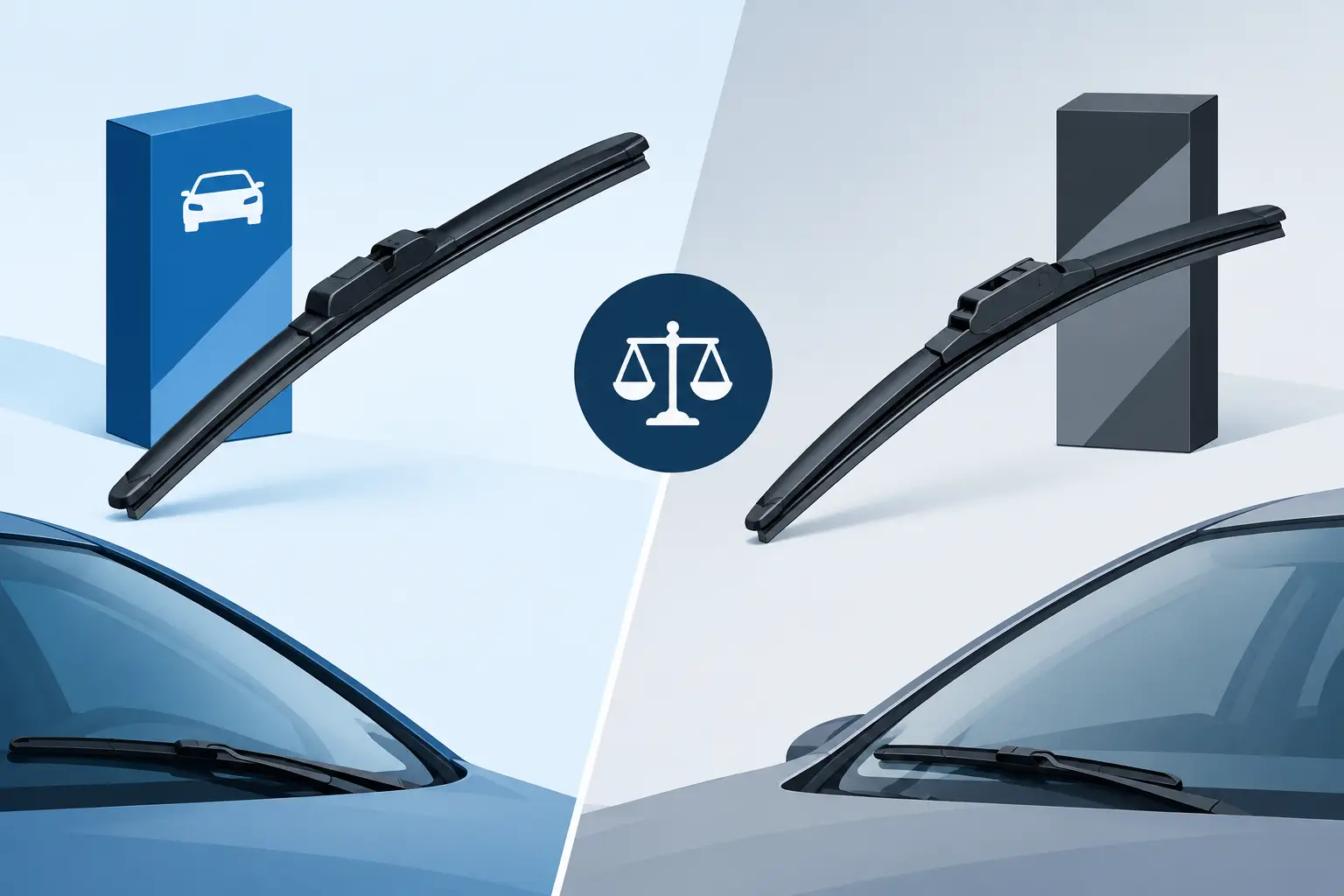
A wet motorway at dusk is a bad time to discover your wipers are leaving a greasy fan across the windscreen. When it is time to replace them, the dealer versus aftermarket wipers question usually comes down to three things: will they fit, will they wipe properly, and are they worth the price?
The short answer is that dealer blades are not automatically better, and aftermarket blades are not automatically a bargain. The right choice depends on the quality of the blade, the fitment for your exact vehicle, and whether the seller stands behind it. For most Australian drivers, a vehicle-specific premium aftermarket kit can deliver the clear, quiet performance they need without the dealership price tag.
Dealer versus aftermarket wipers: the real difference
Dealer wipers are replacement blades supplied through a vehicle manufacturer or dealership. They are intended for your make and model, often carry the manufacturer branding, and may match the blades fitted when the car was new. The main appeal is confidence: you expect a genuine part to fit.
Aftermarket wipers are made by companies other than the vehicle manufacturer. This category is broad. It includes flimsy universal blades hanging in a discount bin, as well as premium OEM-grade blades made to suit a specific vehicle’s wiper arms, windscreen shape and blade lengths.
That distinction matters. Comparing a dealer blade with a cheap, one-size-fits-many blade is not a fair test. A better comparison is between dealer blades and a quality aftermarket kit selected for your exact make, model and year. When the aftermarket option includes pre-fit adaptors and a fitment guarantee, much of the risk people associate with aftermarket parts disappears.
Is genuine always best for your car?
Genuine parts have a place. If your vehicle is unusual, very new, fitted with an uncommon wiper arm, or you simply prefer every replacement part to come through the manufacturer, dealer blades offer a straightforward route. Some drivers also bundle wipers into a scheduled service, valuing convenience over price.
But “genuine” does not necessarily mean a dramatic step up in wiping quality. Vehicle manufacturers commonly source components from specialist suppliers. A well-made aftermarket wiper can use comparable beam construction, durable rubber and aerodynamic shaping, then be sold without dealership overheads.
The more useful question is not whether the blade arrives in a branded box. Ask whether it is designed for your vehicle and whether it performs in the conditions you drive in. Does it sit evenly on the glass? Does it clear water without streaking? Will it stay quiet in a summer downpour or a cold, early-morning commute?
A good wiper should maintain consistent contact from one end of its sweep to the other. That is especially important on modern curved windscreens, where poor blade pressure can leave an unwiped edge or smear water straight into your line of sight.
Fitment is where cheap universal blades fall short
Wiper blades may look simple, but the wrong ones create frustrating problems fast. A blade that is too long can catch the windscreen trim or another blade. One that is too short leaves more glass uncleared. The wrong adaptor may not lock securely to the arm, even if it seems to fit at first.
Universal blades can work on some vehicles, but they put more work on the buyer. You need to confirm the blade lengths, identify the wiper arm connection and select the correct adaptor from a packet of small plastic pieces. It is easy to get wrong when you are doing it in a car park before rain.
Vehicle-specific aftermarket kits remove that guesswork. The front pair should be matched to the correct lengths and attachment style, while a rear blade should be selected separately where your car uses one. This is particularly useful for SUVs, wagons, hatches and utes, where rear wiper designs vary widely.
Before ordering any blade, use the vehicle’s make, model and year rather than relying on a photo or an old receipt. Check the model variant if prompted, especially around changeover years. Fitment confidence is worth more than saving a few dollars on a blade that ends up in the boot.
Performance in Australian weather
Australian conditions are hard on wipers. UV exposure dries and hardens rubber. Dust, salt air, tree sap and road grime can scratch across the windscreen. Then a sudden burst of rain asks the blade to clear a heavy sheet of water in seconds.
Dealer and aftermarket blades can both perform well, but blade design and rubber quality make the difference. Look for durable rubber that resists cracking, a flexible frame or beam design that follows the windscreen, and an aerodynamic profile that helps keep the blade planted at highway speeds.
The signs of a blade nearing the end are familiar: streaks that remain after each pass, chattering or squeaking, split rubber, lifted edges and patches of water left in front of the driver. Do not keep turning the stereo up to ignore the noise. Chatter can mean the rubber has hardened, the blade is contaminated, or the wiper arm is not applying even pressure.
Cleaning the windscreen and wiping the rubber edge with a damp cloth may improve a dirty blade temporarily. It will not restore worn rubber. For dependable visibility, replacing blades roughly every six to 12 months is sensible, with earlier replacement if they are streaking or damaged.
Price: what are you actually paying for?
Dealer wipers often cost more because dealership pricing includes genuine packaging, parts systems, retail premises and, if fitted during a service, labour. That does not make them poor value for every driver. If you are already at the dealer and want the task handled, the higher price may suit your priorities.
For a driver replacing blades at home, premium aftermarket options often make more financial sense. The goal is not to buy the absolute cheapest set. Ultra-low-cost blades can use thin rubber and loose adaptors, leading to noise, poor contact and another replacement sooner than expected.
Instead, look for the middle ground: OEM-grade quality, vehicle-specific fitment, clear installation instructions and a meaningful warranty. Paying for the right blade once is better value than trying two incorrect universal sets.
At Auto Cross, wiper kits are matched through a make, model and year finder, so you can order with confidence rather than compare hooks and measurements in an aisle. The blades arrive with the correct fitment in mind, and installation is designed to take less than 30 seconds. No squeaks. No streaks. Just clear views.
Warranty and returns matter more than the logo
A warranty will not stop a blade from wearing out eventually, but it tells you whether the seller is prepared to stand behind the product. Genuine dealer parts may have warranty cover, though the terms and process can vary. Aftermarket sellers also vary widely, from no-support marketplace listings to specialist retailers offering a clear replacement or return process.
Read the practical details before buying. Is the warranty stated plainly? What happens if the kit does not fit the vehicle it was selected for? Can you get help if an adaptor is unclear? A hassle-free return policy is particularly valuable when ordering online, because it turns fitment confidence into a real promise rather than a marketing line.
How to choose without overthinking it
Choose dealer wipers if you want manufacturer-branded replacements, are having your car serviced anyway, or your vehicle has a fitment that is difficult to verify elsewhere. The added cost may be worthwhile for your peace of mind.
Choose premium aftermarket wipers if you want strong everyday performance, a correct vehicle-specific fit and better value. This is the sweet spot for most commuters, family cars, rideshare vehicles and regional drivers. Just avoid treating all aftermarket blades as equal. Look for quality materials, pre-fit adaptors, a fit guarantee and warranty support.
Whichever route you take, replace both front blades together, keep the windscreen clean and do not wait until the next storm to act. Clear vision is one of the simplest safety upgrades on your car, and it starts with a blade that fits properly and wipes cleanly every time.
Posts Widget



Copyright 2026 © AutoCross. | Sitemap
