
Are Budget Wipers Reliable? What Drivers Should Know
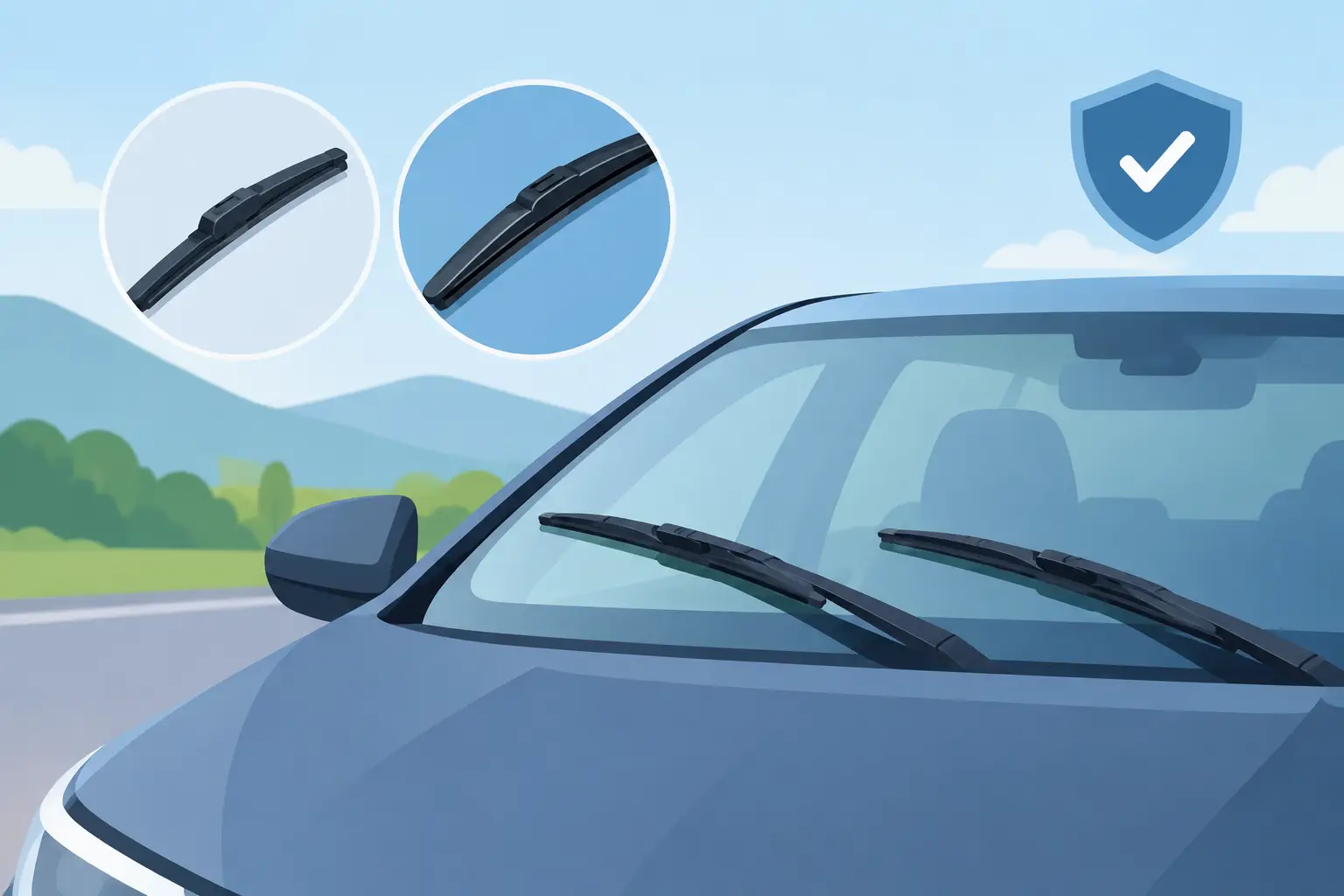
A $15 pair of wipers can look much the same as a more expensive set on the shelf. Both have rubber blades. Both clip onto the arms. But when a proper downpour hits on the M1, the difference can show up fast: smearing across your line of sight, chattering over the glass, or a blade that lifts at speed.
So, are budget wipers reliable? Sometimes. Price alone does not tell you whether a wiper blade will do its job. The real question is whether the blades are made from decent materials, suit your vehicle’s windscreen and wiper arms, and are designed to handle the heat, rain and road grime Australian drivers deal with.
Cheap does not automatically mean poor. But the cheapest generic option can become expensive if it fits badly, wears out within months, or leaves you struggling to see through a wet windscreen. No squeaks. No streaks. Just clear views – that is the standard worth shopping for.
Are budget wipers reliable in Australian conditions?
Budget wipers can be reliable for everyday driving when they have the right fitment and quality control behind them. A well-made value blade may deliver smooth, clean wiping for a long time. A low-priced blade made from hard rubber, weak plastic or a poorly shaped frame is more likely to streak, skip or split early.
Australia is not easy on wipers. Summer heat can bake the rubber against the windscreen, especially when a car is parked outside all day. Dust, salt air near the coast, tree sap, bugs and sudden heavy rain all add wear. In southern states, cold mornings and regular wet weather create a different challenge again. A blade that performs fine in mild conditions may struggle once the weather turns rough.
That is why the label on the packet matters less than the details behind it. Look for durable rubber, even pressure across the blade, an aerodynamic shape that stays planted at road speed, and adaptors made specifically for your vehicle. These features are not just marketing terms. They affect how well the blade follows the curve of the windscreen.
The price gap often comes down to more than branding
There are premium-priced blades where you are paying partly for the name. There are also very cheap blades where corners have been cut on rubber quality, spring tension, blade shape or fitment hardware. The smart middle ground is an affordable, vehicle-specific kit that delivers OEM-grade performance without the inflated retail price.
A good-value wiper should wipe cleanly from edge to edge, run quietly and remain secure in rain and wind. If it can do that consistently, it is reliable – regardless of whether it was the most expensive option available.
What makes a budget wiper fail early?
Most disappointing wipers do not fail because they were inexpensive. They fail because they were the wrong blade for the job, installed incorrectly, or made from materials that cannot cope with regular use.
The most common issue is poor fitment. Universal blades are designed to cover many vehicles, which sounds convenient until the adaptor is loose, the blade sits at the wrong angle, or it does not properly match the wiper arm. Even a quality rubber edge cannot wipe properly if the blade is not seated correctly.
Rubber compound is another major factor. Softer, advanced rubber tends to conform to the glass and clear water more evenly. Lower-grade rubber can harden in the sun, then drag or chatter across the windscreen. Once the edge develops tiny cracks or nicks, it starts leaving lines of water behind.
Frame design also matters. Traditional framed blades can work well, but exposed sections may collect dust and debris. Beam-style blades have a cleaner, more aerodynamic profile and distribute pressure across the windscreen more evenly. They are often a strong choice for drivers who spend plenty of time at higher speeds or face frequent wet weather.
Finally, do not overlook the windscreen itself. A dirty windscreen, worn wiper arm springs, or residue from car wash products can make even new blades streak. Before deciding a fresh pair is faulty, clean the glass thoroughly and wipe the rubber edge with a damp cloth.
How to tell if affordable wipers are worth buying
You do not need to become a parts expert to avoid poor wipers. Start with fitment. Enter your exact make, model and year, including the variant where required. Vehicles can have different wiper arm connections and blade lengths within the same model range, so guessing based on what looks close enough is a gamble.
Next, check what the kit includes. A dependable replacement should come with pre-fit adaptors or the correct connectors for your vehicle, not a confusing bag of spare clips and a hope-for-the-best approach. Front and rear blades may differ too, particularly on hatchbacks, SUVs and wagons.
Then look for clear performance claims that relate to everyday driving: streak-free wiping, silent operation, durable rubber and all-weather performance. These are the outcomes you need when the rain starts, not vague claims about a blade being “universal” or “premium”.
Warranty and returns are useful signs of confidence as well. Wiper blades are wear items, so no blade lasts forever. Still, a retailer willing to stand behind fitment and product quality gives you far more protection than an unbranded set from a bargain bin.
A low price is only good value if the blade lasts
A cheap pair that needs replacing again after one hot summer is not much of a saving. Neither is a set that smears in the rain and forces you to slow down because visibility has dropped. Good value means buying a blade that fits first time, installs easily and gives dependable performance for its expected service life.
For many drivers, replacing wipers every 6 to 12 months is sensible. Cars parked outdoors in harsh sun, vehicles used daily, and regional drivers who deal with dust or long highway runs may need them sooner. Check them regularly rather than waiting for a storm to reveal the problem.
Signs your current wipers are not up to the job
Wipers rarely stop working without warning. They usually tell you they are tired through small, annoying signs that get worse over time. Streaks and unwiped patches are obvious ones, but noise matters too. A blade that chatters or skips may have hardened rubber, dirt trapped underneath, poor windscreen contact or incorrect fitment.
Watch for these four signs:
- Fine lines of water left in your field of vision after each wipe
- Squeaking, chattering or jumping across the glass
- Split, frayed or visibly rough rubber edges
- Blades lifting, wobbling or failing to clear water at highway speed
If cleaning the windscreen and blade does not fix the issue, replacement is the safer call. Clear vision is not a cosmetic extra. It helps you spot brake lights, lane markings, cyclists and hazards when conditions are at their worst.
Paying for fitment beats paying for hype
The most reliable wiper is not necessarily the one in the flashiest packaging. It is the one that matches your vehicle, applies even pressure to the glass and uses rubber built to last through Australian weather.
That is also why buying vehicle-specific blades online can make more sense than grabbing a generic pair while doing other errands. You can select for your exact car, avoid adaptor confusion and fit the new blades at home in under a minute. For everyday commuters, families and ute owners alike, that is a simple maintenance win.
Auto Cross pairs vehicle-specific fitment with affordable OEM-grade wiper kits, so you can replace worn blades with confidence rather than trial and error. Check your wipers before the next wet drive – the best time to fix streaks is while the sky is still clear.
Posts Widget



Copyright 2025 © AutoCross.
