
When to Replace Your Front and Rear Wipers
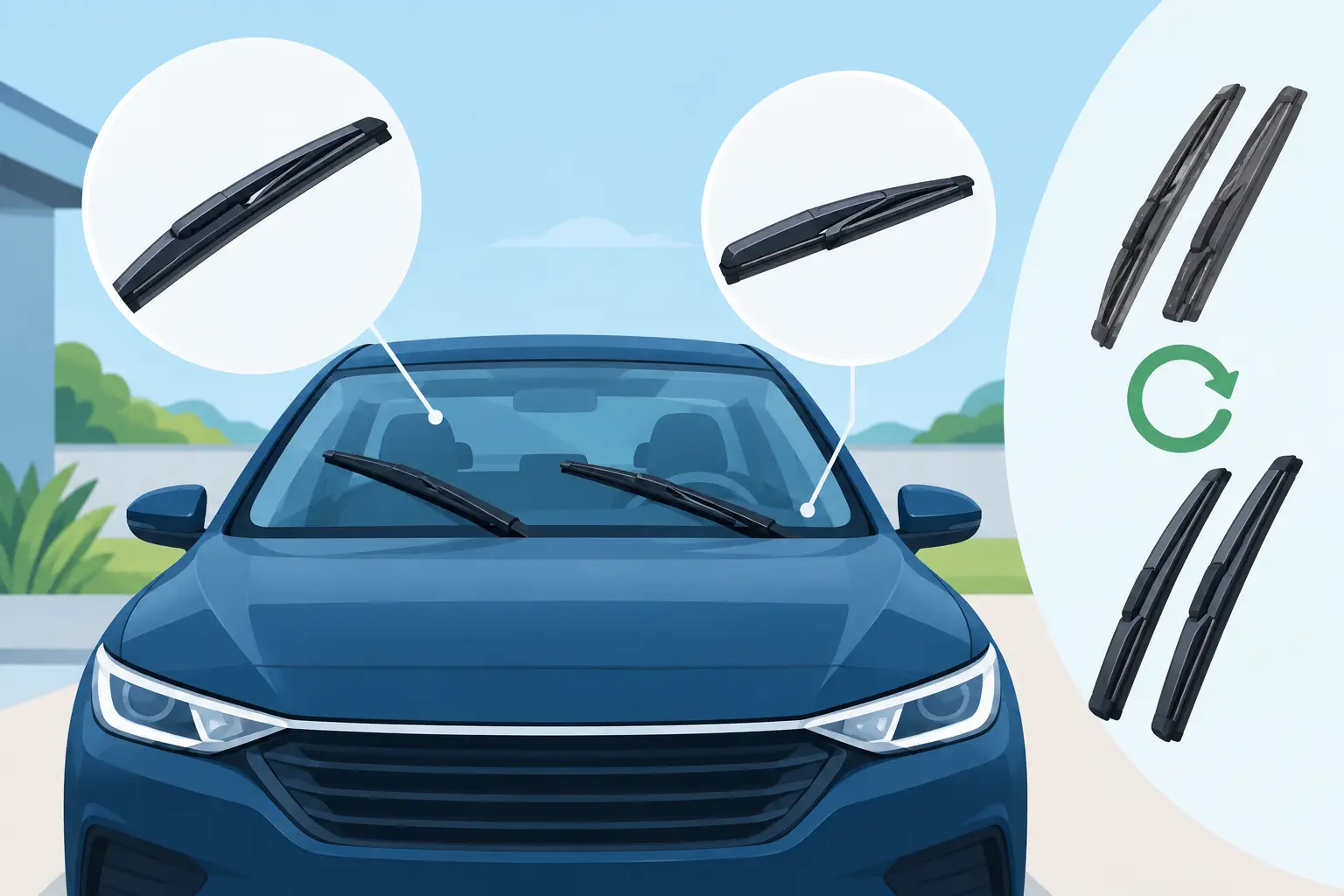
Your front and rear wipers might be small parts of the car, but they do a big job every time rain hits, road spray kicks up or the morning dew clouds your view. When they work properly, you barely notice them. When they streak, chatter or leave a hazy film across the glass, every wet drive becomes harder than it needs to be.
Clear visibility is not a luxury. It is part of safe driving, whether you are commuting through city traffic, taking the family away for the weekend or covering long regional kilometres. A fresh set of vehicle-specific wiper blades keeps your windscreen clear, quiet and ready for whatever Australian weather puts in front of you.
Why front and rear wipers wear differently
Your front wipers do most of the heavy lifting. They clear the largest area of glass and are used constantly in rain, dust, insects and windscreen washer fluid. Sun, heat and grime gradually harden the rubber edge, reducing its ability to stay in close contact with the screen.
Rear wipers often get less use, but that does not mean they last forever. On hatchbacks, SUVs and many wagons, the rear screen collects dust, road grime and spray from the tyres. A worn rear blade can leave a dirty arc right where you need visibility when reversing, changing lanes or checking behind you in heavy rain.
The front and rear blades do not always wear out at exactly the same time. Front blades may need replacing first because they are used more often. But if the rear blade is split, brittle or smearing, replacing it at the same time makes practical sense. You get clear vision all around and avoid another maintenance job a few weeks later.
Signs your front and rear wipers need replacing
The clearest sign is streaking. If a clean windscreen still has lines of water after each pass, the rubber edge may be worn, nicked or contaminated. Smearing is another common issue, especially when the blade drags road film across the glass rather than clearing it away.
Listen for chatter and squeaking too. Sometimes a dry or dirty windscreen is the cause, so try washer fluid first. If the noise continues in wet conditions, the blade may have lost its shape or the rubber may have hardened in the sun.
Look closely at the blade when you wash the car. Cracks, tears, loose rubber, bent frames and uneven edges are all signs it is time for a replacement. You may also notice missed patches of glass, particularly at the edges of the sweep. That can happen when a blade no longer applies even pressure across the windscreen.
Do not wait until the next downpour to test them. Wipers can seem acceptable during a light shower, then struggle badly in heavy rain at night when glare from headlights and streetlights makes every streak more noticeable.
How often should you change wiper blades?
For most Australian drivers, replacing wiper blades every six to 12 months is a sensible guide. The right interval depends on where and how you drive. A car parked outside in harsh sun will usually wear blades faster than one kept under cover. Coastal salt air, dusty rural roads, frequent rain and regular long-distance driving can all shorten blade life.
It also depends on how often you use them. A rideshare driver or daily commuter may wear through front blades sooner than a weekend-only driver. Rear blades can last a little longer, but they should still be inspected regularly rather than forgotten.
A quick clean can help extend performance. Wipe the rubber edge gently with a damp cloth and clean the windscreen before using the wipers on stubborn dirt. Never use wipers to scrape off heavy mud, frost or dried-on debris. That can tear the rubber edge and scratch the glass.
Why the right fit matters
Wiper blades are not a one-size-fits-all purchase. Blade length, attachment type, arm design and curvature vary between vehicles. A blade that is too long can hit the edge of the windscreen or interfere with the other blade. One that is too short leaves part of the screen uncleared. A mismatched adaptor may not lock securely onto the wiper arm at all.
That is why choosing by your vehicle make, model and year is the easiest way to buy with confidence. It removes the guesswork around blade sizes and fittings, particularly when your front and rear wipers use different connections.
Vehicle-specific kits are designed to suit the relevant wiper arms and include pre-fit adaptors where required. The result is a cleaner fit, reliable movement and a much simpler replacement process. No measuring blades in the car park. No hoping a generic option will do the job.
For many vehicles, fitting a replacement blade takes under 30 seconds. Lift the wiper arm carefully, release the old blade, click the new one into place and check that it is secure before lowering the arm back onto the glass. It is straightforward, but do not let the bare metal arm snap back against the windscreen. Hold it at all times until the new blade is fitted.
What makes a quality wiper blade worth it?
Cheap blades can look similar in the packet, but their performance becomes obvious once the weather turns. Quality blades use durable rubber that maintains a smoother wiping edge for longer. They are built to clear water evenly, reduce streaking and operate quietly across the glass.
Aerodynamic construction matters too, particularly at highway speeds. A well-designed blade holds steady against the windscreen instead of lifting or skipping as airflow increases. That helps keep the wipe consistent when you need it most – in fast-moving rain, road spray or a sudden summer storm.
A good set should deliver three simple outcomes: clear glass, quiet operation and dependable fitment. You do not need complicated jargon to judge whether a blade is doing its job. If it wipes cleanly without squeaks, missed spots or smears, it is working as it should.
Should you replace front and rear blades together?
There is no rule saying all blades must be replaced at once. If your rear wiper is still wiping cleanly and the rubber is in good condition, replacing only the worn front pair is reasonable. It can be the more cost-effective option when one part of the set has clearly had more use.
However, replacing front and rear blades together has benefits. You start with consistent visibility across every window, and you will not be caught out when the rear blade fails in the middle of a wet week. It is especially worthwhile before a road trip, the winter rain season or a period of regular highway driving.
If you have recently bought a used car, changing all wiper blades is a simple reset. You may not know their age, how long the car sat in the sun or whether the previous owner used low-quality replacements. Fresh blades are affordable peace of mind.
A simple check before you order
Before replacing your blades, confirm the exact make, model and year of your vehicle. Trim level can occasionally matter too, particularly across different body styles. A hatchback and sedan from the same model range may use a different rear blade, while newer and older generations can have different front-arm connections.
Check whether your vehicle has a rear wiper in the first place. Many sedans do not, while hatchbacks, SUVs, wagons and utes with rear glass often do. If your rear wiper arm is there but the blade is missing or damaged, do not ignore it. Rear visibility matters just as much when reversing out of a driveway or dealing with spray from traffic.
Auto Cross makes this easier with vehicle-specific front and rear wiper blade kits selected by make, model and year. You get the confidence of a proper fit without paying inflated retail prices, plus the reassurance of a 12-month warranty and hassle-free returns.
The next time your windscreen starts to smear in the rain, treat it as the warning it is. A clear view takes seconds to restore with the right blades, and every drive feels better when the glass stays clean, quiet and ready for the road.
Posts Widget



Copyright 2026 © AutoCross. | Sitemap
