
Are Wipers Universal? Get the Right Fit First
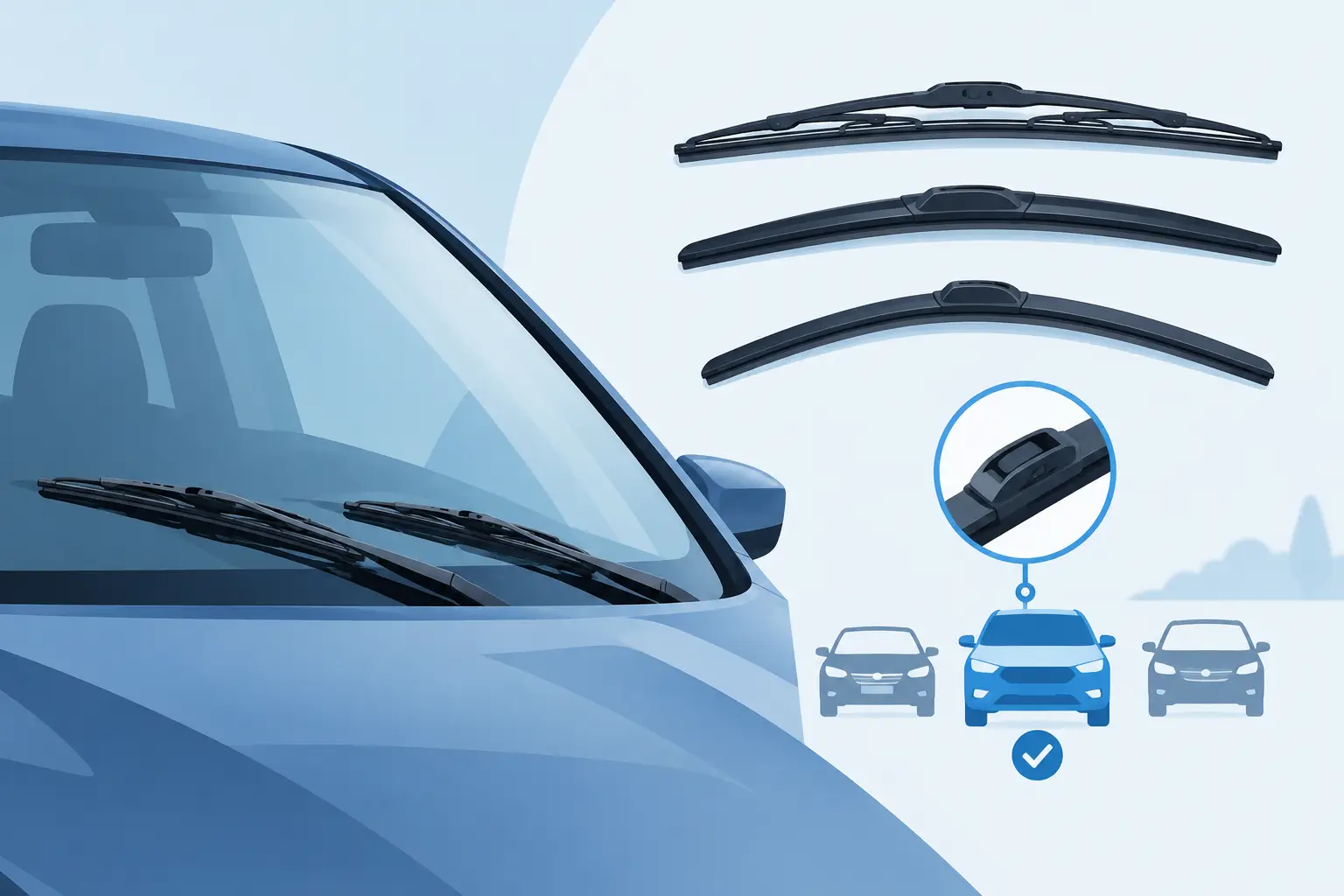
A wiper blade can look like a simple strip of rubber, right up until the first proper downpour turns your windscreen into a smeary mess. So, are wipers universal? Not really. While some replacement blades are sold as “universal”, most vehicles need blades matched to their specific arm connection, blade length and windscreen shape.
Getting the fit right is not just about avoiding a frustrating return. Properly matched wipers clear more of the glass, sit securely on the arms and apply even pressure from end to end. No squeaks. No streaks. Just clear views when rain, dust, salt spray or a bright low sun makes visibility count.
Are wipers universal across all cars?
No. Wiper blades are not universal across all cars, SUVs and utes. The front blades on one vehicle may use a completely different mounting system, length combination or blade profile from another vehicle made in the same year.
There are universal-style blades that include several adaptors in the box. They can suit a range of wiper arms, but that does not make them a guaranteed fit for every vehicle. You still need the correct adaptor, the correct lengths and a blade shape that follows your windscreen properly.
That is where generic shelf shopping can become a guessing game. You may find a blade that clips on, only to discover it leaves an uncleared strip near the A-pillar, catches the edge of the windscreen, or chatters every time it runs. A vehicle-specific kit removes that uncertainty by matching the blades to your make, model and year before they arrive.
Why one-size-fits-all wipers often fall short
A windscreen is not flat, and neither is the pressure needed to clean it. Modern curved windscreens need a blade that can flex evenly across the glass. Older framed blades, newer beam blades and hybrid designs all handle that job differently.
Even two blades with the same length can perform differently if their connector sits at a different point or their frame does not suit the windscreen curve. The result can be annoying chatter, lifting at highway speed or a thin film of water directly in your line of sight.
Australian conditions add another challenge. Summer heat can harden low-grade rubber. Dust and red dirt can scratch and drag across the screen. Heavy rain can expose a blade that skips or lifts as soon as you are travelling at speed. A good wiper kit is built to keep steady contact in changing conditions, not merely to fit onto an arm in the driveway.
The three things that decide wiper fitment
1. Blade length
Most cars use two different front blade lengths. The driver’s side is commonly longer, but not always. Some vehicles use matching lengths, while others have an unusual size difference to clear the widest possible area without the blades touching each other or the windscreen trim.
Measuring your old blades can give you a rough guide, but it is not foolproof. Previous owners may have fitted the wrong size, and rounded measurements can be misleading. Selecting by make, model and year is the safer option.
2. Wiper arm connection
The hook-shaped J-hook is common, but it is far from the only connector. Depending on the vehicle, you may have a push button, side pin, bayonet, top lock or another arm design. Rear wipers can be especially particular, with shorter arms and connectors that differ completely from the front.
A blade that has the wrong connector will not attach. One that attaches with a loose or incorrect adaptor can detach, sit at the wrong angle or damage the arm. It is a small part with a big job, so a secure connection matters.
3. Windscreen curve and blade design
Beam blades use a flexible, curved spine to spread pressure across the windscreen. They are a popular choice for modern vehicles because they are aerodynamic, sit low against the glass and have fewer exposed moving parts for dust and grime to collect in.
The right curve helps the rubber wipe cleanly through its full sweep. When the curve is wrong, the ends may lift or the centre may miss water. That is why blade fitment is about more than a number printed on the packaging.
What about rear wipers?
Rear wipers are even less likely to be universal. A rear blade is usually shorter, has a unique arm fitting and follows the curve of a hatch, wagon or SUV rear window. It may look similar to a front blade, but it is rarely interchangeable.
Do not assume a front blade can be trimmed down or adapted for the rear. It may not lock onto the arm, and an uneven fit can leave the rear glass smeared when you need it most – such as reversing in rain or checking traffic behind you on a wet motorway.
If your rear wiper is splitting, leaving lines or no longer clearing the centre of the glass, replace it with a vehicle-matched rear blade rather than guessing from a universal rack.
How to find the right wipers without the hassle
The easiest route is to use your vehicle details: make, model and year. Be precise, particularly where a model has multiple generations, body styles or facelift versions. A Corolla hatch and a Corolla sedan, for example, may not use the same setup. The same can apply to a ute range with different model years.
If your vehicle has factory-standard wiper arms, a vehicle finder gives you the confidence that the blades are intended for that setup. Auto Cross matches front and rear wiper kits to vehicle details, so you can skip the measuring tape, adaptor pile and doubtful car-park test fit.
Before ordering, it is still worth checking whether your car has any unusual changes. This is most relevant if it has aftermarket wiper arms, a modified windscreen setup, or if you are unsure of the exact year and variant. In those cases, confirm your vehicle details first rather than relying on a similar-looking car.
Signs your current wipers are due for replacement
Wipers rarely fail all at once. Their performance usually fades in small ways that are easy to put up with until a storm makes the problem obvious. Replace them when you notice persistent streaks, skipping, squeaking, smearing or sections of glass that remain wet after each pass.
Check the rubber as well. Cracks, tears, hardened edges and loose sections are clear signs the blade has reached the end of its useful life. If the metal or plastic frame is bent, replace the blade immediately. A damaged blade can scrape grit across the windscreen and make a cheap maintenance job more expensive.
As a practical rule, inspect your blades every few months and expect to replace them about once a year, sooner if they are exposed to intense heat, dust or frequent use. Cleaning the rubber edge with a damp cloth can remove built-up grime, but it cannot restore worn or split rubber.
Fitting matched wipers is usually a quick job
Correctly supplied blades are designed to make replacement straightforward. Lift the wiper arm carefully away from the windscreen, release the old blade from its connector, then click the new one into place until it locks. Lower the arm gently onto the glass and test it with washer fluid before heading out.
Do not let a bare wiper arm snap back against the windscreen. The metal arm can chip or crack the glass. Put a folded towel on the screen while you work if you want extra protection.
Once fitted, run the wipers through a few cycles. They should sweep smoothly, park in the right position and clear the glass evenly. If they chatter on a dry screen, use washer fluid first. Wipers are made to work on wet glass, not to scrub dust off dry glass.
Clear vision should never depend on a “close enough” blade. Choose wipers made for your vehicle, fit them before the weather turns, and every wet drive becomes one less thing to worry about.
Posts Widget



Copyright 2026 © AutoCross. | Sitemap
