
Pre Fitted Wiper Review: Are They Worth It?
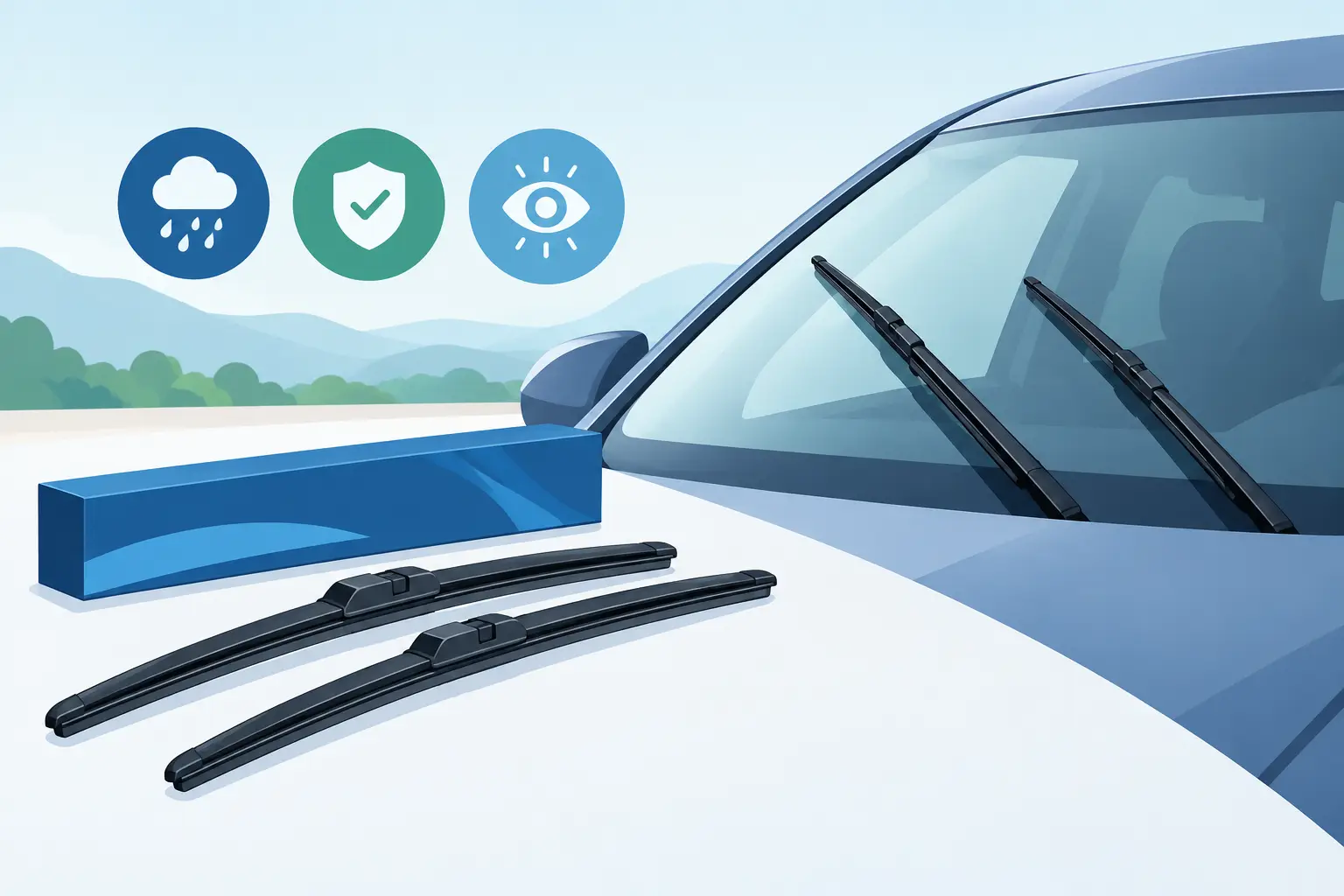
Rain on the M1, road spray from a B-double, and a windscreen that suddenly looks like it has been wiped with an oily rag – that is when wiper quality stops feeling like a minor maintenance job. This pre fitted wiper review looks at whether vehicle-matched blades with ready-to-use adaptors are genuinely worth choosing over generic replacements.
For most Australian drivers, the short answer is yes. A good pre-fitted kit takes out the most frustrating part of buying wipers: working out which blade length, connector and adaptor your car actually needs. It should arrive matched to your make, model and year, ready for a quick swap at home. No squeaks. No streaks. Just clear views.
What does pre-fitted actually mean?
A pre-fitted wiper blade has the correct mounting adaptor already attached for the vehicle it is sold for. Rather than opening a universal kit, sorting through several plastic clips and hoping one is right, you receive blades designed to connect with your existing wiper arms.
That distinction matters more than it sounds. Blade length is only one part of fitment. Cars use different arm styles, including hook, push-button, pinch-tab and side-lock designs. A blade can look right in the packet but still sit loosely, fail to lock in, or wipe poorly if the connection is wrong.
With a vehicle-specific kit, the matching work happens before the order leaves the warehouse. For a driver who wants to replace worn wipers without a workshop visit, that is the real benefit. You select the vehicle, receive the correct front pair or rear blade where applicable, and fit them in seconds rather than turning a simple job into a guessing game.
Pre fitted wiper review: performance on the road
The purpose of a wiper is simple: clear water, dust and grime from the windscreen without distracting noise or leaving a blurred film behind. Whether pre-fitted blades perform well comes down to blade material, pressure across the glass and the shape of the frame, not only the adaptor. Still, correct fitment gives those features a chance to work as intended.
Premium-style beam blades are generally a strong option for everyday cars, SUVs and utes. Their flatter aerodynamic profile helps keep even pressure along the windscreen, particularly at motorway speeds. Traditional framed blades can work perfectly well, but they have more exposed joints where dust and debris can build up. Beam designs are usually quieter and less prone to chatter when conditions are rough.
In real use, fresh quality blades should make a clear difference straight away. Light rain should clear in one clean pass. Heavy rain should not leave stripes across your line of sight. A properly seated blade should move smoothly rather than juddering across dry patches of glass.
That said, no wiper blade can compensate for a dirty windscreen or contaminated washer fluid. Tree sap, road film and old silicone-based cleaning products can make even a new blade smear. Before deciding a new set is faulty, clean the glass thoroughly, wipe the rubber edge with a damp cloth and check that the wiper arm is not bent.
Quiet operation is more than a comfort feature
A chattering wiper is annoying, but it can also be a clue that the blade is not sitting evenly on the glass. Noise may come from hardened rubber, a poor adaptor fit, a dirty windscreen or a wiper arm that has lost tension.
Pre-fitted adaptors reduce one common cause: a connector that lets the blade move or sit at the wrong angle. When the blade is locked securely to the arm, it can follow the windscreen as designed. For commuters and rideshare drivers dealing with frequent stop-start traffic in wet weather, quieter wiping makes the drive feel noticeably less tiring.
The biggest advantage: fitment confidence
Buying wipers in a shop can be surprisingly slow. You may need to compare blade lengths, inspect connector diagrams and then return to the car park to test whether the selected kit fits. Universal packs are useful when you need a quick emergency replacement, but the trade-off is that you take on the compatibility work yourself.
Pre-fitted wipers are better suited to drivers who value certainty. The process should be based on the vehicle details, not a rough visual match. This is especially useful for imported vehicles, newer models with less common fittings, rear wipers, and cars that have had design changes within the same model name.
Auto Cross takes this approach with a make, model and year finder, matching OEM-grade wiper kits to the vehicle before purchase. It is a practical difference: fit first, then wipe well. A fitment guarantee and hassle-free returns add another layer of confidence if something is not right.
There is one point to check before ordering. Be precise with the vehicle year and model variant. A hatch and wagon can use different rear blades. A facelift model may have a different wiper arm. If your vehicle has a particularly unusual arm, compare the order details with the car before removing the old blade.
Installation: genuinely quick, with one small caveat
For most vehicles, installation is as easy as lifting the wiper arm, releasing the old blade, clicking the new blade into place and lowering the arm carefully. A pre-fitted adaptor means there is no need to stop halfway through and change connectors.
The caveat is the wiper arm itself. Never let a bare metal arm spring back onto the windscreen. Put a folded towel on the glass while changing blades, particularly if you are working in a driveway on a windy day. The arm is spring-loaded and can crack a windscreen if it snaps down.
After fitting, gently tug each blade to make sure it has locked in. Then use washer fluid and run the wipers for a few passes. Check that the blade clears the glass cleanly, does not strike the windscreen trim and parks in the correct position. This takes less than a minute and confirms the job is done properly.
Value: cheaper is not always better
The lowest-priced blade on the shelf may get you through a shower, but it can be false economy if the rubber hardens quickly, the frame rusts, or the adaptor does not fit securely. Australian conditions are hard on wipers. Summer heat can bake rubber against the glass, coastal air can speed up wear, and sudden heavy downpours demand clean wiping immediately.
A vehicle-specific, premium-grade kit often costs more than a basic universal blade, but the value is in fewer compromises. You are paying for the correct connection, durable rubber, aerodynamic construction and a simpler installation. If it avoids a wasted trip to a parts store, a return for the wrong connector, or driving through rain with a smeared windscreen, the difference is easy to justify.
Look for a clear warranty as well. A 12-month warranty is useful reassurance that the blades are intended for regular use, not just a short-term fix. It does not mean blades will stay perfect forever, because heat, sun exposure and windscreen condition all affect wear, but it shows the retailer stands behind the product.
When pre-fitted wipers may not be the best choice
A universal blade still has a place if you are stranded, need an immediate replacement from a local shop, or own an older vehicle with a very common arm style and already know exactly what fits. Drivers who enjoy maintaining their own cars may also be happy comparing adaptors and blade lengths.
But for most people, the small saving is not worth the uncertainty. Wipers are safety equipment, not a cosmetic extra. Clear vision in a summer storm, on a dark country road or during the school run is worth getting right the first time.
Replace your blades when they streak, split, skip, chatter or leave unwiped patches. Do not wait for the next downpour to show you they are worn out. Choose the exact vehicle, fit the blades carefully, and give yourself one less thing to think about when the weather turns.
Posts Widget



Copyright 2026 © AutoCross. | Sitemap
