
Can Worn Wipers Scratch a Windscreen? Yes.
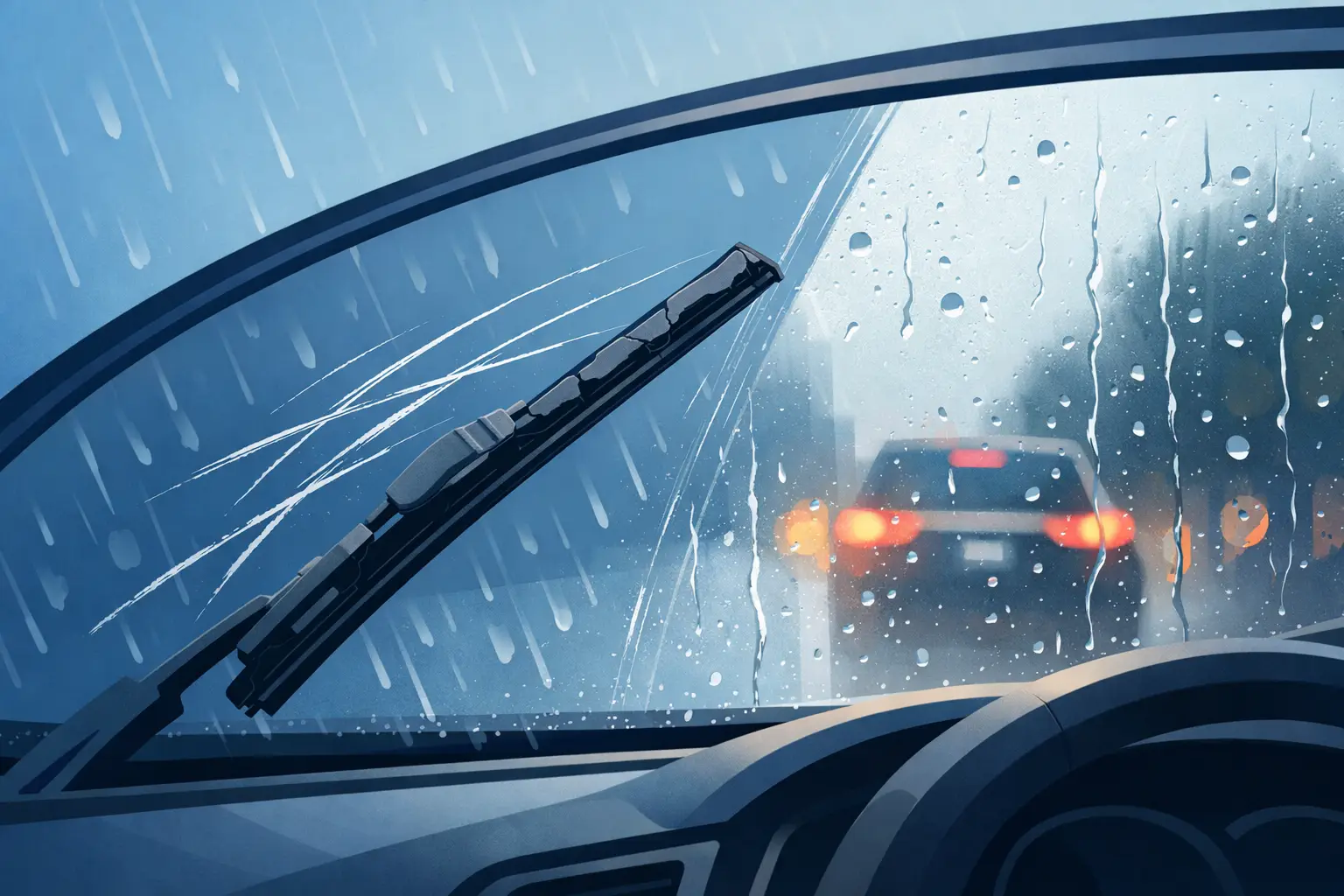
That rough scraping sound during a dry wipe is more than annoying. Can worn wipers scratch a windscreen? Yes – especially once the rubber edge has split, hardened, lifted or worn away enough to expose the blade frame or trap grit against the glass. Left too long, a cheap and simple maintenance job can turn into windscreen damage that is far more costly to fix.
A clear windscreen is not a nice-to-have when the rain hits on the M1, a storm rolls through your regional commute, or low afternoon sun makes every smear stand out. Good wiper blades clear water quietly and cleanly. Worn ones make your view worse, put extra strain on the wiper system and, in the right conditions, may mark the glass.
Can worn wipers scratch a windscreen in normal use?
They can, but it depends on the condition of the blade and what is on your windscreen. Rubber itself is softer than glass, so a healthy blade will not normally scratch it. The problem starts when the wiping edge is no longer doing its job.
As wiper rubber ages, it can dry out from heat and UV exposure, crack at the edge, tear, or become uneven. A damaged blade can drag dirt, sand, road grime, leaf debris or tiny stones across the windscreen. Australia’s dry, dusty conditions make that risk very real, particularly if your car sits outside or regularly travels on country roads.
The more serious risk comes when the rubber has worn through or detached. The metal support beneath it, or a hard plastic component, may then contact the glass. Even a brief wipe can leave a noticeable arc-shaped mark. It is not always a deep scratch, but repeated contact can create permanent damage and glare at night.
Signs your wiper blades need replacing
Your wipers usually give you plenty of warning before they become a problem. Streaks are often the first sign, but they are not the only one. If the windscreen stays smeary after a wipe, the blade may be contaminated or its edge may have lost its shape.
Chattering and skipping are also worth taking seriously. A blade that jumps across the glass is not maintaining even contact, which means it cannot clear rain properly. Squeaking can happen with a dry or dirty screen, but frequent squeaks after cleaning both the glass and blades usually point to ageing rubber.
Look closely at the blades when you wash the car. Replace them if you notice splits, loose ends, frayed rubber, a bent frame or an edge that looks flat instead of crisp. If there is bare metal showing anywhere near the windscreen, do not run the wipers again until you have changed the blade.
Poor wiping performance can sometimes be caused by a dirty windscreen rather than worn blades. Tree sap, wax residue, bug splatter and oily road film can all cause smearing. Clean the glass with proper automotive glass cleaner and wipe the rubber edge with a damp cloth. If the issue remains, replacement is the sensible move.
What actually causes windscreen scratches?
Wipers often get blamed for scratches that were already developing, so it helps to know what you are looking at. Fine marks may come from dust or sand being wiped across a dry screen. Wider curved lines that match the travel of the wiper arm are more likely to be caused by a damaged blade or exposed frame.
Running wipers on a dry, dusty windscreen increases the risk. Before using them, use washer fluid to wet the glass and lift surface grime. Avoid using the wipers as a broom for dirt, mud or frost. A quick rinse or a soft cloth is safer than dragging abrasive debris across the windscreen.
Car washes can contribute too. Dirty wash mitts, harsh cleaning tools and poor-quality cloths may leave marks that only become obvious in direct sunlight. That does not mean your wipers are off the hook, though. If scratches appear in the same sweep pattern as the blades, inspect them straight away.
Why old wipers are a safety issue, not just a nuisance
A few streaks may seem harmless until night driving, heavy rain or glare from oncoming headlights turns those streaks into a blurred patch right in your line of sight. Visibility changes quickly in wet weather. You need to spot brake lights, lane markings, pedestrians and standing water without fighting a smeared windscreen.
Worn blades can also leave water behind at the outer edges or directly in front of the driver. On a long trip, that constant distraction becomes tiring. For rideshare drivers, families and commuters, replacing wipers before winter or the wet season is a small job that makes every drive more comfortable.
There is a value angle as well. Replacing a pair of blades costs much less than repairing or replacing a scratched windscreen. If your wipers are noisy, streaky or visibly damaged, waiting for them to fail completely is rarely a saving.
How often should you replace windscreen wipers?
For most Australian drivers, replacing wiper blades every 6 to 12 months is a practical rule of thumb. The exact timing depends on where you park, how often you drive, the weather your vehicle faces and the quality of the blade rubber.
Cars parked outdoors in strong sun can wear through blades faster. Heat hardens the rubber, while dust and salt air add more wear. A vehicle that only comes out on weekends may still need new wipers if it spends every day exposed to the elements.
Do not replace blades purely because the calendar says so if they are still wiping perfectly and the rubber is supple. Equally, do not wait a full year if they begin to streak after a few months. The condition of the wipe matters more than the date on the invoice.
Protect your windscreen between blade changes
A few simple habits can help your wipers last longer and reduce the chance of scratches. Keep washer fluid topped up so you are not dry-wiping dust from the glass. Clean your windscreen regularly, including the lower edge where dirt collects when the blades are parked.
After a dusty drive, rinse the screen before turning on the wipers. If gum leaves, twigs or heavy debris are caught under the blade, remove them by hand first. During summer, checking the rubber every few weeks takes less than a minute and can reveal cracking before it becomes a bigger issue.
If you are replacing blades, make sure they are designed for your vehicle. The wrong length, connector or blade shape can lead to poor contact, missed areas and noisy wiping. Vehicle-specific wiper kits with pre-fit adaptors take out the guesswork, so you are not standing in the driveway trying to make a universal attachment fit.
When a scratched windscreen needs professional attention
Light surface marks are sometimes polishable, but deep scratches need a professional assessment. If you can catch a fingernail in the scratch, if the mark sits in the driver’s main viewing area, or if sunlight and headlights create distracting glare, do not ignore it.
A windscreen professional can advise whether repair is realistic or whether replacement is the safer option. Avoid DIY glass-polishing products for deep scratches, as aggressive polishing can distort the glass and make visibility worse.
The best move is prevention. Replace worn blades before the rubber edge breaks down, clean the windscreen before wiping away dust, and choose a kit that fits your make, model and year correctly. Auto Cross makes that part straightforward with vehicle-matched wiper blade kits built for clear, quiet performance in Australian conditions.
Your wipers should disappear into the background: no squeaks, no streaks, no harsh scraping across the glass. If yours are making themselves known every time it rains, treat that as your cue to change them before the next drive demands a clear view.
Posts Widget



Copyright 2026 © AutoCross. | Sitemap
