
10 Essential Car Care Accessories for Safer Drives
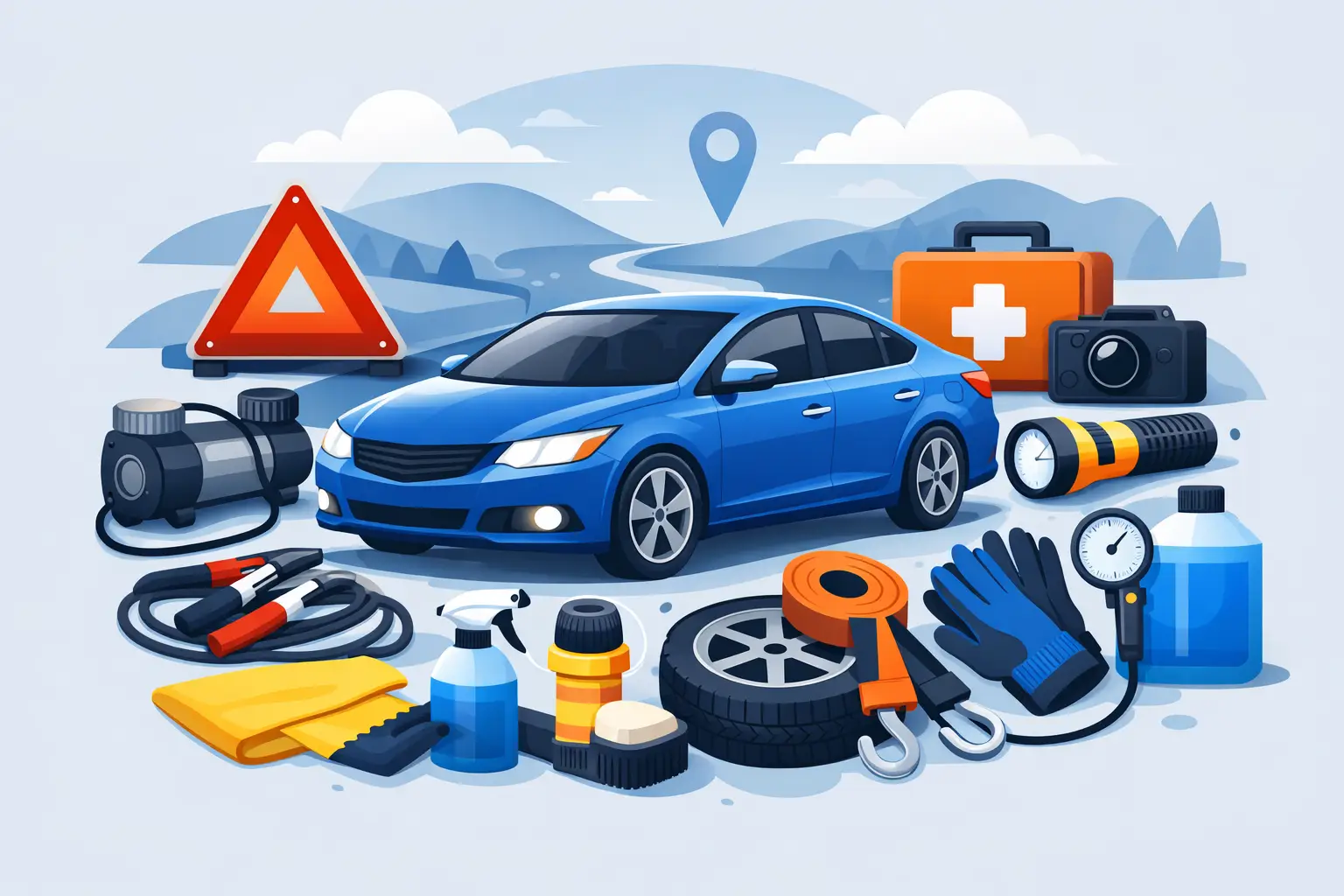
A smeared windscreen on the M1, a flat tyre before the school run, or a dead battery after a weekend away can turn an ordinary drive into a headache fast. The right essential car care accessories are not about filling the boot with gadgets. They are the practical items that protect visibility, help you handle common problems safely, and keep your car feeling ready for whatever the Australian weather brings.
For most drivers, the best approach is simple: start with the accessories you will genuinely use, choose quality over novelty, and make sure they suit your vehicle. Here are 10 worth having.
Essential Car Care Accessories That Earn Their Space
1. Vehicle-specific windscreen wiper blades
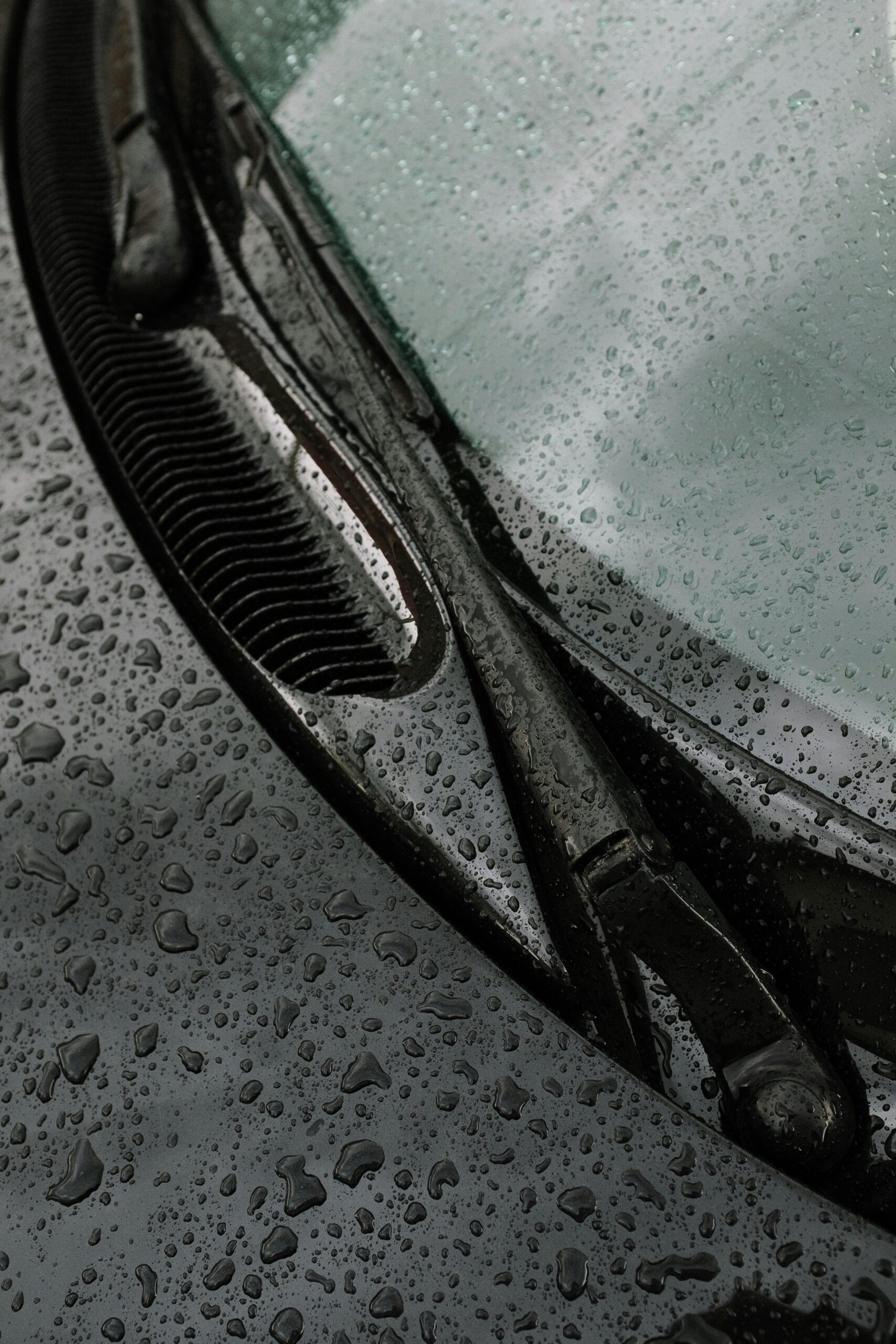
Clear vision is non-negotiable. Wiper blades work hard through summer dust, sudden downpours, coastal salt air and cold, wet mornings, then gradually lose their edge. If they streak, chatter, skip across the glass or leave a hazy film, they are no longer doing their job properly.
A vehicle-specific wiper kit is a far better bet than guessing from a generic rack. The correct blades sit properly against the windscreen, use the right attachment system and deliver even pressure from end to end. Look for durable rubber, aerodynamic construction and pre-fit adaptors so replacement is quick at home. No squeaks. No streaks. Just clear views.
At Auto Cross, selecting by make, model and year takes the compatibility guesswork out of buying replacement front and rear wipers. That matters when rain starts halfway through your commute, not when you have time to hunt through an auto parts aisle.
2. Quality screenwash and a microfibre cloth
Wipers cannot clear a dirty windscreen on their own. Bug splatter, road grime, tree sap and dust can quickly build up on the outside, while interior haze can catch the sun at the worst possible angle. A proper screenwash helps lift grime without leaving the greasy residue that household cleaners can create.
Keep a clean microfibre cloth in the glovebox or door pocket for quick touch-ups. Use it dry for light dust or with a glass-safe cleaner when needed. The key is keeping it separate from cloths used for tyre shine, dashboard products or greasy jobs. One clean cloth can make a surprising difference to visibility.
3. A compact tyre inflator and pressure gauge
Tyres are easy to ignore until one looks low. Yet pressure affects grip, braking, fuel use and tyre wear. A portable inflator lets you check and top up tyres at home before a trip, rather than relying on a servo air station when you are already running late.
Choose a compact unit with a clear gauge and an easy-to-read display. It should be seen as a top-up tool, not a fix for a tyre that keeps losing air. If a tyre repeatedly drops pressure, get it checked by a professional. Also remember to use the pressure listed on your vehicle’s tyre placard, usually found inside the driver’s door frame or fuel flap, rather than the maximum number printed on the tyre wall.
4. A tyre repair kit for temporary roadside help
A tyre repair kit can be useful if you pick up a small puncture in the tread and need to get moving again. It is particularly handy for regional drivers, long road trips and vehicles without a full-size spare. Some kits use plugs, while others use a sealant and compressor setup.
There are trade-offs. Sealants can be messy and may complicate a later tyre repair, while plug kits require care and are not suitable for sidewall damage, large cuts or a tyre that has been driven flat. Treat any roadside repair as temporary. Drive cautiously and have the tyre inspected as soon as possible.
5. Battery jump starter
A flat battery does not wait for a convenient time. Interior lights left on, a tired battery, or a car sitting unused for a week can leave you stuck in the driveway, office car park or holiday accommodation.
A modern lithium jump starter is a smart alternative to hoping another driver has jumper leads and the time to help. Select one rated for your engine size and keep it charged according to the manufacturer’s instructions. Many models also include USB charging and a torch, which can be useful, but the jump-start function should be the reason you buy it.
Do not use a jump starter as an excuse to ignore a battery that regularly goes flat. Repeated failures can point to an ageing battery, charging issue or electrical drain that needs attention.
6. An emergency warning triangle and high-vis vest
Breakdowns are stressful enough without being difficult for other drivers to see. A warning triangle and high-vis vest are small, affordable additions that can improve roadside safety when you have stopped somewhere legal and safe to do so.
Keep them somewhere accessible rather than buried beneath luggage in the boot. On a busy road, motorway or blind bend, your first priority is getting yourself and passengers away from traffic. If conditions are unsafe, call for roadside assistance and avoid attempting repairs beside moving vehicles.
7. A first-aid kit built for the car
A car first-aid kit does not need to be complicated. It should cover small cuts, grazes, insect bites and minor burns, with bandages, antiseptic wipes, gloves, gauze and basic dressings. For families, it is worth checking the kit before a holiday drive so you are not relying on expired supplies.
Consider your usual trips too. A family heading to sport on weekends may want extra cold packs, while regional motorists may appreciate a more comprehensive kit. Keep it dry, easy to reach and securely stored so it does not become a loose projectile in a sudden stop.
8. A cordless car vacuum and blower
Sand, pet hair, crumbs and dust seem to multiply inside a car. A cordless vacuum makes regular clean-ups easier, especially if you have kids, carry work gear, transport pets or use your vehicle for rideshare. The best models reach under seats, into door pockets and around console gaps without needing a power point nearby.
A blower function is useful for shifting dust from vents, seat rails and hard-to-reach crevices before vacuuming. It is not a substitute for a full detail, but regular quick cleans protect the cabin from built-up grit and make your vehicle far more pleasant to drive. A clean interior also makes it easier to spot dropped items, leaks or loose trim before they become bigger annoyances.
9. A mobile mount and charging cable
Your mobile should never be in your hand while driving. A secure mobile mount puts navigation where you can glance at it safely, while a reliable charging cable prevents a flat mobile when you need directions, parking access or roadside assistance.
Fit the mount carefully. It should not block your view of the road, airbags, controls or windscreen. In some vehicles, a vent mount works well; in others, a dash-mounted solution is more stable. The right choice depends on the shape of your cabin and how often you use navigation.
10. A small boot organiser
The final item is less glamorous, but it makes every other accessory more useful. A boot organiser keeps your inflator, cloths, emergency supplies, cleaning gear and charging accessories in one place. That means less loose clutter sliding around corners and less time searching when you need something quickly.
Choose one with solid sides or straps if you carry heavier items. For a ute, consider a weather-protected storage option instead. The goal is not to carry everything imaginable. It is to make the basics easy to find and secure.
How to Choose Car Care Accessories Without Wasting Money
Start with the problems your car and driving routine actually present. A city commuter may prioritise wiper blades, screenwash, a mobile mount and a jump starter. A family SUV doing long holiday kilometres may add a tyre inflator, first-aid kit and boot organiser. A regional driver may place more value on tyre repair equipment and roadside visibility gear.
Be cautious with cheap universal accessories where fit, safety or electrical performance matters. Wipers that do not match your vehicle, a weak mobile mount or a no-name jump starter can create more frustration than value. Spending a little more on the correct item is often cheaper than replacing it twice.
Keep your kit current as well. Check wipers before the wet season, inspect tyre pressures monthly and recharge your jump starter every few months. The accessories only help if they are working when you need them.
A safer, cleaner car rarely comes down to one big purchase. It comes from a few well-chosen items that make everyday maintenance easier, keep your view clear and help you leave the driveway with more confidence.
Posts Widget



Copyright 2026 © AutoCross. | Sitemap
