
Silicone Versus Rubber Wipers Compared for Drivers
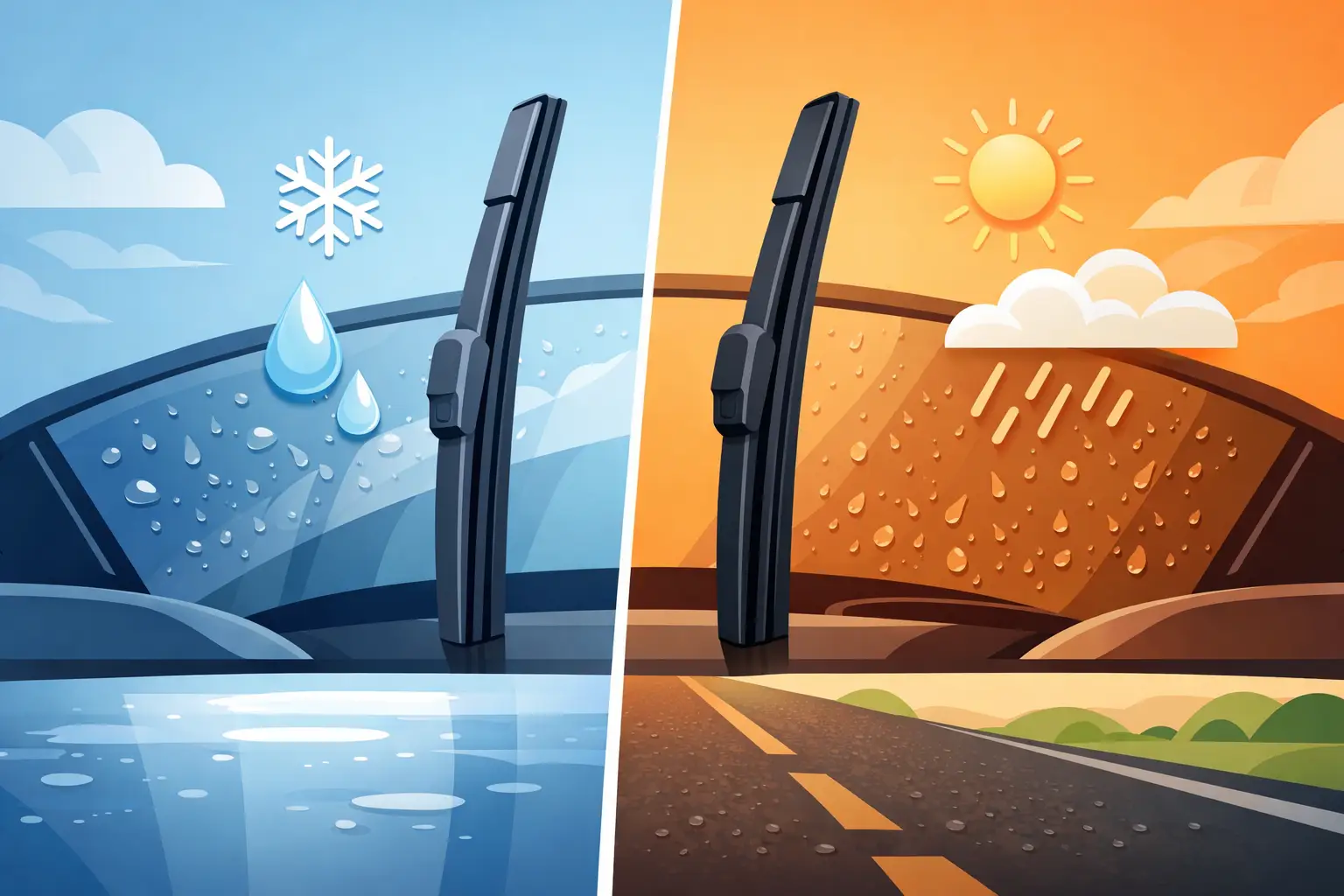
A light shower on the morning commute should not leave you peering through smears, glare and a film of road grime. When comparing silicone versus rubber wipers, the right choice comes down to how, where and how often you drive – not simply which material sounds more premium. Both can deliver clear, quiet wiping when they are well made and correctly fitted to your vehicle.
For most Australian drivers, a quality rubber blade remains the practical all-round choice. Silicone has genuine strengths in harsh sun and long-term water repellency, but it is not automatically the better buy for every windscreen. The blade design, fitment and condition of your glass matter just as much as the material touching it.
Silicone versus rubber wipers: the key difference
Rubber wiper blades use a flexible rubber compound to sweep water, dust and grime from the windscreen. Premium versions are often treated or blended to improve heat resistance, reduce friction and hold their wiping edge for longer. They are widely used because they wipe cleanly, suit a huge range of vehicles and offer strong value.
Silicone wiper blades use silicone rubber instead. This material is highly resistant to UV exposure, heat and temperature changes. As it wipes, silicone can leave a light water-repellent coating on the windscreen, helping rain bead and move away at speed. That effect can be handy on open roads, particularly during sustained rain.
Neither material can compensate for a damaged blade frame, an adaptor that does not lock in properly, or a windscreen coated in oil, tree sap or old washer fluid residue. A good blade must sit evenly across the glass and maintain the right pressure from one end to the other.
How silicone wipers perform
Silicone blades are often chosen by drivers who park outside, cover long distances or want maximum resistance to the Australian sun. UV is hard on any exposed wiper blade. Over time, ordinary blades can dry out, harden and begin to chatter across the glass. Silicone generally handles this exposure well and may stay flexible for longer.
The water-beading effect is silicone’s standout feature. Once the coating has built up, droplets can form beads that lift away more easily when you are travelling at highway speed. It can make wet-weather driving feel clearer, especially on a clean windscreen.
There are trade-offs. Silicone blades usually cost more upfront, and the coating may not suit every windscreen condition straight away. If the glass is dirty or has waxy residue, you may still see smearing until it has been properly cleaned. The coating also does not replace the need for wipers in heavy rain, slow traffic or spray from trucks.
Some drivers expect silicone blades to last indefinitely because the material is tougher. They do not. Road grit, dry wiping, damaged glass and extreme weather still wear the wiping edge. A silicone blade that is incorrectly fitted will perform poorly, regardless of its material.
Why quality rubber wipers remain the everyday favourite
Modern rubber wipers have moved well beyond the basic blades many people remember. Quality rubber compounds are engineered to stay supple, wipe quietly and resist cracking through hot summers and wet winters. For daily driving around town, school drop-offs, motorway commutes and weekend trips, they offer dependable visibility without the higher initial price of silicone.
Rubber also tends to deliver a very direct, clean wipe from the first pass. There is no treatment to build up on the glass. Fit a fresh, vehicle-specific blade to a clean windscreen and you should notice the difference immediately: fewer streaks, less chatter and clearer vision when the weather turns.
This makes rubber a sensible choice if you replace your blades as part of regular vehicle maintenance. Rather than stretching old wipers through another summer, fitting a quality pair every 6 to 12 months is an affordable way to protect visibility. In harsh conditions, replacement may be needed sooner.
For most passenger cars, SUVs and utes, the biggest improvement comes from choosing blades that match the exact make, model and year. The correct curve, length and adaptor connection matter more than chasing a material label alone.
Silicone versus rubber wipers in Australian conditions
Australia gives wipers a tough workload. Summer UV can bake blades while your car sits in a driveway or work car park. Dust, coastal salt, insects, sudden storms and muddy spray on regional roads all collect on the windscreen. In cooler areas, early-morning condensation and winter rain add another layer of use.
Silicone is a strong option for vehicles regularly exposed to intense sunlight, particularly if you prefer a blade designed for extended material durability. It can also appeal to frequent highway drivers who value the extra water-beading effect during rain.
Quality rubber is often the better value choice for drivers who want consistent, streak-free performance with no fuss. It is ideal for the family car, commuter vehicle or second car where reliable fitment, quiet operation and a sharp wipe matter most. A premium rubber blade can handle Australian conditions very well when it is replaced before it becomes hard or torn.
If your vehicle lives under cover and mainly does suburban kilometres, silicone’s extra longevity may not justify the additional cost. If it spends every day outside in full sun, the equation can change. There is no one-material answer for every driver.
The windscreen matters more than many drivers realise
A new set of wipers can only work with the surface underneath. Before fitting either silicone or rubber blades, clean the windscreen thoroughly with automotive glass cleaner and a clean microfibre cloth. Remove bug splatter, oily film and residue around the edges where the blade parks.
Also clean the rubber or silicone edge occasionally. Lift the wiper arm carefully and wipe the blade with a damp cloth. A surprising amount of black residue can collect there, and that grit is often what causes fresh-looking blades to smear or skip.
Avoid running wipers over a dry, dusty windscreen. Use washer fluid first. Dry wiping drags abrasive particles across both the glass and blade edge, shortening the life of either material.
What to look for beyond the blade material
Material is only one part of wiper performance. A well-designed beam blade has an aerodynamic profile that helps it stay connected to the windscreen at speed. Even pressure across the blade helps prevent the missed corners and wet bands common with tired, poorly shaped wipers.
Fitment is equally important. Generic blades can involve adaptor guesswork, loose connections or a length that is close but not quite right. That can lead to poor sweep coverage, clunking or blades that lift in wind. Vehicle-specific kits remove much of that uncertainty by matching the blade length and pre-fit adaptor to your car.
When choosing replacement wipers, prioritise these practical details:
- Correct make, model and year fitment, including whether your vehicle needs a rear blade.
- A durable wiping compound designed for heat, rain and UV exposure.
- A secure adaptor that clicks into place without modifying the wiper arm.
- An aerodynamic blade profile for stable, quiet wiping at motorway speeds.
- Warranty support and straightforward returns if something is not right.
A blade that costs a little less but does not fit properly is not good value. Clear vision starts with the right connection to the wiper arm.
Signs it is time to replace your wipers
Do not wait for a proper downpour to find out your wipers are finished. If they leave streaks after the windscreen has been cleaned, skip across the glass, squeak constantly, miss sections of the screen or have visible cracks and splits, replacement is due.
Look closely at the wiping edge when you wash the car. A blade can appear fine from the driver’s seat but have a small tear that creates a persistent line directly in your field of view. If one blade is worn, replacing the front pair together usually gives the most even result.
Rear wipers are easy to forget, particularly on hatchbacks, wagons and SUVs. Yet when rain and road spray coat the rear glass, a worn rear blade can make reversing and lane changes harder than they need to be.
The practical choice for clearer driving
Choose silicone if your priority is long-term UV resistance and you like the idea of rain beading more readily on the windscreen. Choose premium rubber if you want excellent everyday wiping, quiet performance and strong value from a blade made for your vehicle.
Whichever you choose, buy the correct fit, keep the windscreen clean and replace blades at the first sign of streaking. Auto Cross makes that part simple with vehicle-specific wiper kits designed for a quick at-home fit. No squeaks. No streaks. Just clear views when the next shower rolls through.
Posts Widget



Copyright 2025 © AutoCross.
