
When to Replace Windscreen Wipers: 7 Signs
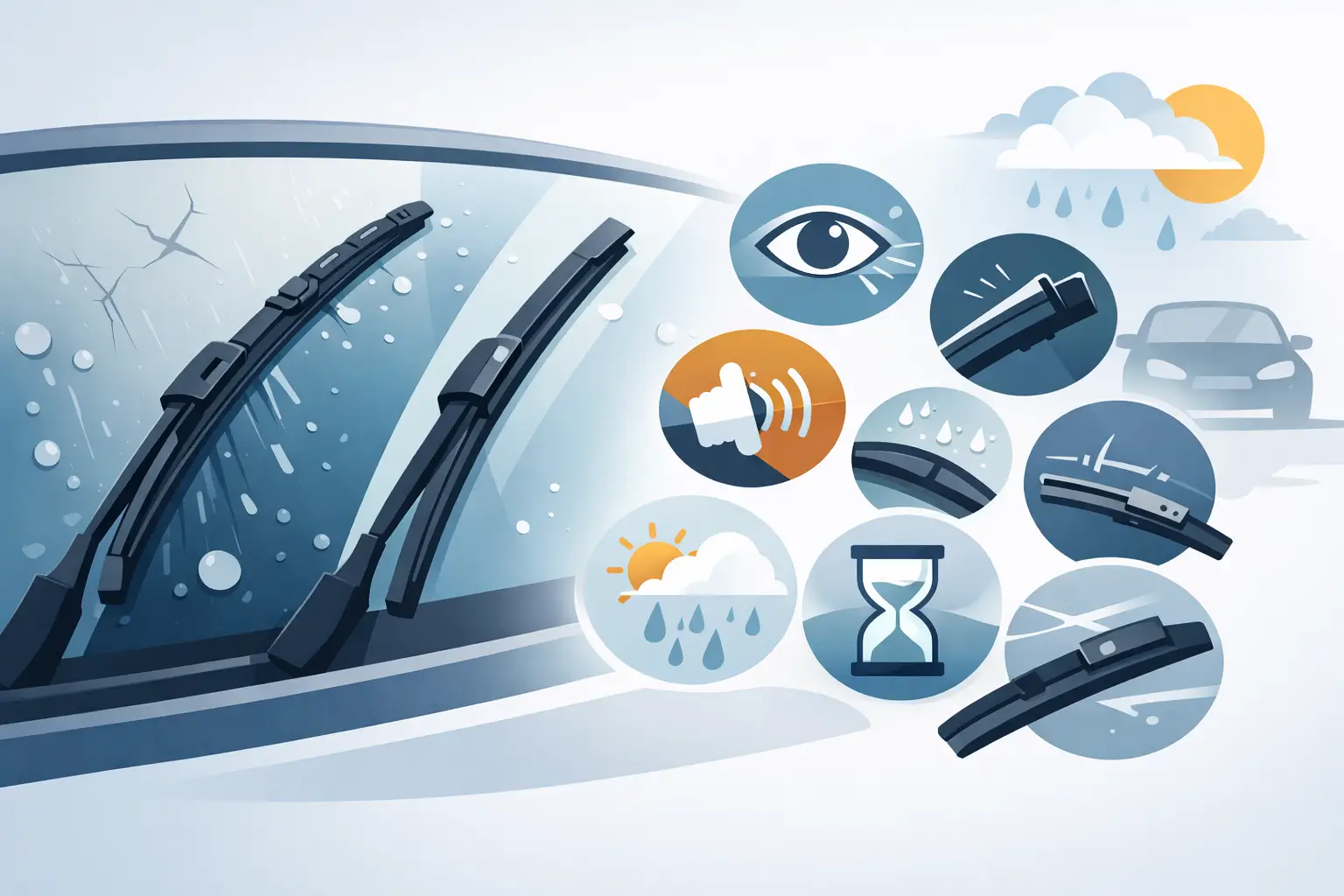
A sudden downpour on the M1 is a bad time to discover your wipers are past their best. If you are wondering when to replace windscreen wipers, the answer is usually before they leave smears across your view, chatter over the glass or fail to clear the rain in one clean pass. Wiper blades are a small, affordable part of your car, but they do a big job when visibility matters most.
For most Australian drivers, replacing wiper blades every six to 12 months is a sensible rule of thumb. But the calendar is only part of the story. Heat, UV exposure, dust, salty coastal air and long dry spells can age the rubber faster than you expect. The better approach is to watch how your blades perform every time it rains or you use the washers.
When to replace windscreen wipers
Your wipers do not need to fall apart before they need replacing. Performance usually drops away gradually, which makes it easy to put off a change until the next heavy shower makes the problem impossible to ignore.
Here are the signs that it is time for a fresh set.
1. Streaks stay on the windscreen
A good blade should clear water in a smooth, even sweep. If it leaves long streaks, hazy bands or a film of water in your line of sight, the rubber edge may be worn, hardened or uneven. This is particularly noticeable at night, when headlights and streetlights catch the smear and create distracting glare.
A dirty windscreen can also cause streaking, so clean the glass and the blade edge first. If the problem returns on the next few wipes, replacement is the practical fix.
2. The blades chatter, skip or squeak
Wipers should move quietly across wet glass. Chattering, jumping or squeaking can mean the blade is no longer sitting evenly against the windscreen. The rubber may have lost its flexibility, the wiping edge may be damaged or the blade frame may no longer apply even pressure.
Sometimes a proper clean will settle a minor squeak. Persistent noise, especially with poor wiping, is a clear sign the blades are worn. No squeaks. No streaks. Just clear views is the standard worth aiming for.
3. Water is missed in sections
If a patch of rain remains untouched after each pass, do not ignore it. A missed section can be caused by a split, bent or lifted section of rubber. It may look minor when parked in the driveway, but in rain it can block a pedestrian, lane marking or car ahead exactly when you need to see clearly.
Check both the driver and passenger blades. The passenger side still affects overall visibility, particularly at intersections, during overtaking and when checking the road ahead in heavy rain.
4. The rubber looks cracked, split or rough
Lift the wiper arm gently and inspect the rubber edge. Look for cracks, tears, fraying, missing pieces or a surface that feels dry and brittle. Australian sun is tough on exposed rubber, even if the vehicle does not get driven every day.
A blade can also develop a permanent curve after sitting against the windscreen for long periods. Once the edge has lost its clean, straight contact with the glass, it cannot wipe properly. Replace it rather than trying to stretch out a few more months of use.
5. Your windscreen looks worse after wiping
This is one of the most frustrating warning signs. You use the washer fluid, activate the wipers and end up with a smeared, cloudy screen. Oil, road grime, bug residue and old rubber deposits can build up on the glass, but blades that have become contaminated or worn often spread the mess rather than remove it.
Clean the windscreen thoroughly with a suitable automotive glass cleaner and wipe the blade edge with a damp cloth. Avoid using harsh petroleum-based cleaners on the rubber. If the smearing continues, fit new blades and start with a clean screen.
6. They are more than a year old
Even blades that appear acceptable can lose their sharp wiping edge over time. If you cannot remember when they were last changed, or they have been on the car for over 12 months, replacing them is cheap insurance before the wet season.
Drivers in hot inland areas, coastal regions or places with plenty of dust may need to change them sooner. A car parked outdoors every day will usually go through blades faster than one kept under cover. On the other hand, a garaged car with low kilometres may get closer to a year – provided the wipers still clear cleanly and quietly.
7. The rear wiper is leaving a mess too
Rear wipers are easy to forget, especially on hatchbacks, SUVs and wagons. Yet they are essential in spray, muddy conditions and reversing in the rain. If the rear blade is streaking, skipping or splitting, replace it at the same time as the front pair where possible.
Utes with a rear window wiper and family SUVs often see plenty of dust and road spray on the back glass. A clear rear view makes everyday driving, parking and towing that bit safer.
Why wiper blades wear out faster in Australia
Wiper rubber works hard in conditions most drivers do not think about. Summer heat bakes the blade against the glass. UV exposure dries and hardens the rubber. Dust and grit can nick the wiping edge, while salt air can affect the blade structure and fittings over time.
Dry wiping is another common culprit. Running wipers over a dusty dry screen creates friction and can drag grit across both the rubber and glass. Use washer fluid whenever possible, and do not use the wipers as a substitute for clearing heavy dirt, leaves or bird droppings by hand.
Washer fluid matters too. Plain water may be fine in a pinch, but a proper washer additive helps lift road grime and reduces the residue that can make blades work harder. Keep the reservoir topped up, particularly before a long trip.
How to check your wipers in two minutes
You do not need mechanical experience to assess your wipers. With the vehicle parked safely, inspect the rubber for visible damage. Then spray the windscreen with washer fluid and run the blades through several cycles.
Watch for clean contact across the whole sweep. Listen for noise. Check whether the blades return without leaving lines or puddles. Finally, look at the windscreen in bright light for a greasy film that is not obvious from the driver’s seat.
If you notice one issue only after months of strong performance, clean the glass and rubber before buying replacements. If you notice two or more problems – such as streaking and chatter, or cracks and missed patches – change the blades. There is little value in waiting for total failure.
Choose wiper blades that actually fit
The right blade length and connector matter as much as the rubber itself. Generic blades can be tempting, but an incorrect fit may sit poorly on the windscreen, wipe unevenly or be difficult to attach. Your vehicle may also use different lengths on each side, plus a separate rear blade design.
Vehicle-specific blade kits remove the guesswork. Select your make, model and year, then choose blades matched to the correct fitting points and screen shape. Pre-fit adaptors make installation straightforward, with no workshop booking and no hunting through a shop aisle.
At Auto Cross, matched wiper kits are built for Australian conditions, with durable rubber, aerodynamic construction and a perfect-fit guarantee. For most vehicles, fitting a new set takes less time than making a coffee – and gives you a clearer view before the next storm rolls through.
A simple habit that protects your visibility
Add your wipers to the same quick check as tyre pressure, washer fluid and lights. Test them before wet-weather road trips, before the summer storm season and whenever your windscreen starts looking hazy after a wipe.
Clear vision should never be the weak link in your drive. Change worn blades early, keep the glass clean and let every sweep do what it is meant to do: clear the rain and keep your focus on the road ahead.
Posts Widget



Copyright 2026 © AutoCross. | Sitemap
