
Wiper Blade Lifespan: When Should You Replace Them?
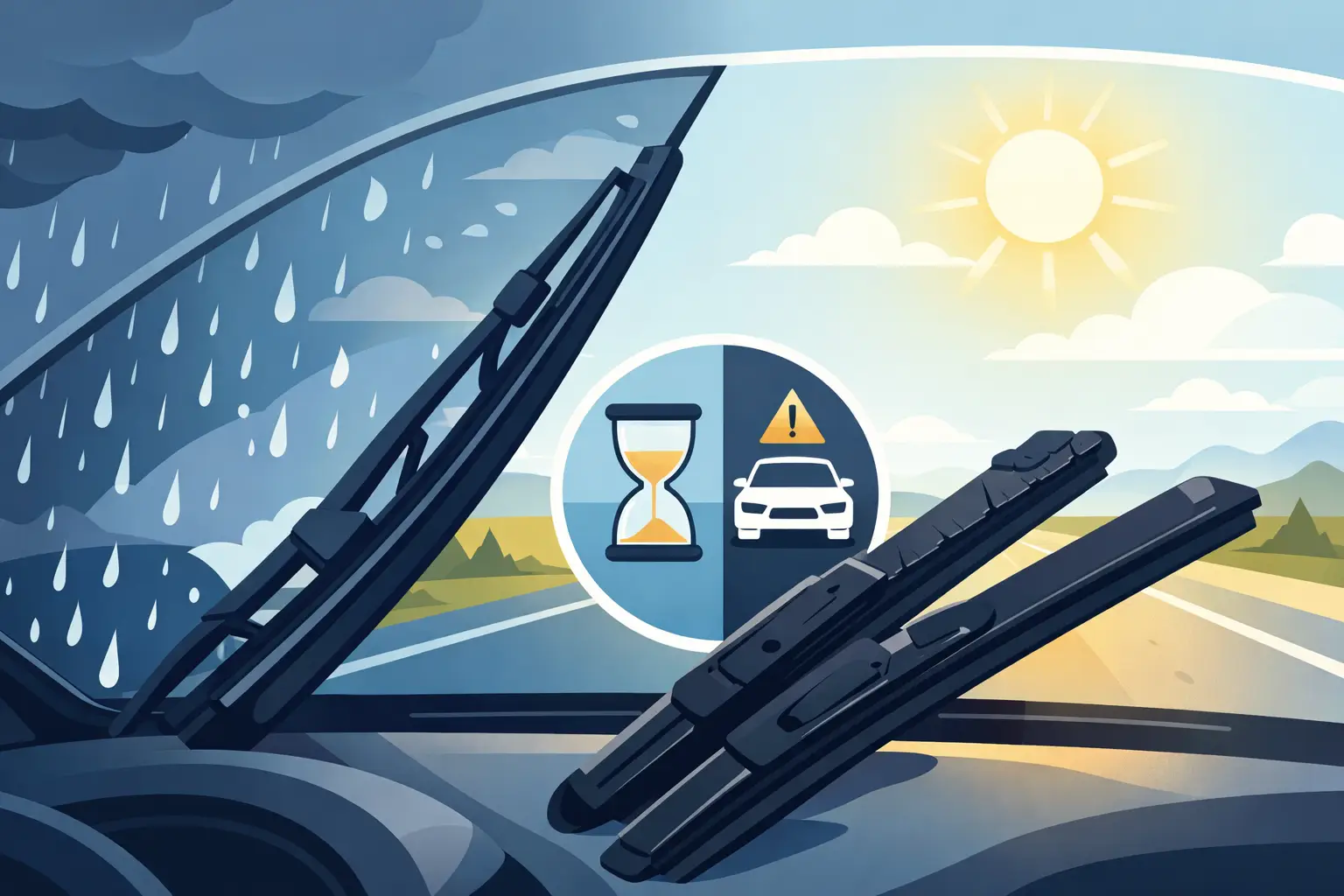
That faint chatter across the windscreen might seem harmless on a dry morning. Then a proper downpour hits, the road throws up spray, and suddenly every streak is in your line of sight. Your wiper blade lifespan is not just a maintenance detail – it directly affects how confidently and safely you can see the road.
For most Australian drivers, wiper blades are easy to forget until they fail. A quick check now can save you from squinting through glare, rain and grime on the next school run, commute or highway trip.
How long is a typical wiper blade lifespan?
Most quality wiper blades last around six to 12 months. Some may stay effective for longer, particularly if the car is garaged, driven mainly in mild conditions and the windscreen is kept clean. Others can deteriorate within months when exposed to relentless sun, salty coastal air, dust or long periods parked outdoors.
Rather than treating 12 months as a fixed expiry date, use it as a prompt to inspect your blades. The rubber edge does the real work. Once it becomes dry, split, misshapen or rough, it cannot maintain even contact with the glass. That is when clear water removal turns into smearing, skipping and noise.
Front blades usually wear faster because they do most of the work. Rear wipers can last longer on some vehicles, but they are not immune to sun damage or hardened rubber. If your car has a rear blade, check it at the same time as the front pair.
Signs your wiper blades need replacing
You do not need to wait for a blade to tear completely before replacing it. In fact, waiting that long can risk scratching the windscreen if the exposed frame drags across the glass.
The clearest sign is streaking. If a clean, wet windscreen still has lines of water left behind after a wipe, the rubber edge is no longer clearing evenly. Smearing is another giveaway, especially when it leaves a hazy film that catches headlights at night or makes low sun harder to handle.
Listen as well. A healthy blade should sweep quietly. Squeaking, chattering or hopping across the glass can mean the rubber has hardened, the blade has warped, or the windscreen is contaminated. Give the glass and blade a clean first. If the noise returns, replacement is usually the simple fix.
Look for split rubber, frayed edges, loose sections and a blade that leaves untouched patches of glass. One poor section can create a serious blind spot, particularly on the driver’s side. No squeaks. No streaks. Just clear views is the goal.
What shortens wiper blade lifespan in Australia?
Australian conditions can be hard on any rubber component, and wiper blades sit exposed on the windscreen day after day. How long they last depends less on the kilometres you drive than on what they are exposed to while parked and in use.
Heat and UV exposure
Hot sun is one of the biggest causes of premature blade wear. UV exposure dries and hardens the rubber, making it less flexible against the curve of the windscreen. A car parked outside at work or at home every day will often need replacement blades sooner than a garaged vehicle.
If shade is available, use it. A windscreen sunshade can also reduce cabin heat and offers some extra protection for blades resting against the glass. It will not stop normal wear, but it can help avoid baking the rubber unnecessarily.
Dust, bugs and road grime
Dry dust, mud, pollen, insects and tree sap build up on both the windscreen and the wiping edge. Using the wipers over a dirty dry screen is like rubbing fine grit across the glass and rubber. It accelerates wear and can create the streaks you are trying to avoid.
Before setting off, use windscreen washer fluid to loosen grime. If the vehicle has been sitting beneath trees or near the coast, wipe the rubber edge gently with a clean, damp microfibre cloth. This small habit keeps the blade working cleanly and may stretch its service life.
Frost, salt and heavy rain
Regional drivers can face frosty mornings, while coastal motorists deal with salt-laden air. Both can affect blade condition. Never use the wipers to free blades frozen to the windscreen. Let the glass thaw or use a suitable de-icer first, as forcing them can tear the rubber or strain the wiper arm.
Heavy rain itself does not ruin a good blade. But it quickly exposes a worn one. If the sweep is poor in a downpour, do not put off the replacement until the next service.
Simple habits that help blades last longer
You cannot avoid every harsh condition, but basic care makes a noticeable difference. Keep the windscreen clean, top up washer fluid and avoid running wipers on dry glass. When washing the car, clean the blade edges too, using water and a soft cloth rather than harsh solvents that may damage the rubber.
Check that the wiper arms apply even pressure and that the blades sit flat against the windscreen. If a new blade still skips or leaves a repeat patch, the issue may be a bent arm, damaged windscreen or contamination such as wax residue. Cleaning the glass thoroughly is the first step before assuming the new blade is faulty.
It is also worth checking blades before a long drive, before storm season and ahead of a road trip. Wipers are a low-cost item, yet poor visibility can make even a familiar route feel far more demanding.
Choosing replacement wipers that fit properly
A good blade is only useful if it matches your vehicle. Length, connection type and wiper-arm design vary between makes, models and years. Generic blades can leave drivers sorting through adaptors at the kitchen table, hoping the fit is close enough. Close enough is not the standard when visibility is involved.
Vehicle-specific wiper kits remove that guesswork. Select your make, model and year, then choose blades designed to suit the correct front and, where needed, rear positions. Pre-fit adaptors make home installation straightforward, and most drivers can swap a matched set in well under a minute.
Look for blades with durable rubber, a stable aerodynamic frame and a wiping edge that maintains consistent pressure across the windscreen. Premium OEM-grade replacements are designed for quiet operation and clean coverage, not just to tick a maintenance box. Auto Cross supplies vehicle-matched kits with a perfect-fit guarantee, so you can replace worn blades without a workshop visit or the uncertainty of a universal option.
Price matters, but the cheapest blade is not always the best value if it starts streaking after a short time. The better choice balances reliable all-weather performance, proper fitment and a warranty that gives you confidence in the purchase.
Wiper blade lifespan questions drivers often ask
Can I replace only one front wiper blade?
You can, but replacing front blades as a pair is usually smarter. They have been exposed to the same conditions and tend to wear at a similar rate. A new blade beside an old one can also produce uneven clearing across the windscreen.
Why do new wiper blades streak?
First, clean the windscreen and the blade edge. Oil film, detailing products, road grime or residue from an old blade can affect the first few wipes. If streaking continues, check the blade is correctly clicked into place and that you ordered the exact fit for your vehicle.
Are squeaky wipers always worn out?
Not always. A dirty windscreen, dry glass or a dirty rubber edge can cause temporary squeaks. If cleaning does not solve it, or the blade chatters in rain, the rubber has likely hardened or lost its shape.
Do a quick wiper check before the weather turns. A clean, quiet sweep is one of the simplest ways to make every drive clearer, calmer and safer.
Posts Widget



Copyright 2026 © AutoCross. | Sitemap
