
Premium Beam Wiper Review for Australian Drivers

A premium beam wiper review should answer one question before anything else: will these blades give you a clearer view when the weather turns? For Australian drivers, that means more than surviving a light shower. It means dependable wiping through sudden summer storms, coastal salt spray, dusty regional roads and those cold, wet early-morning commutes.
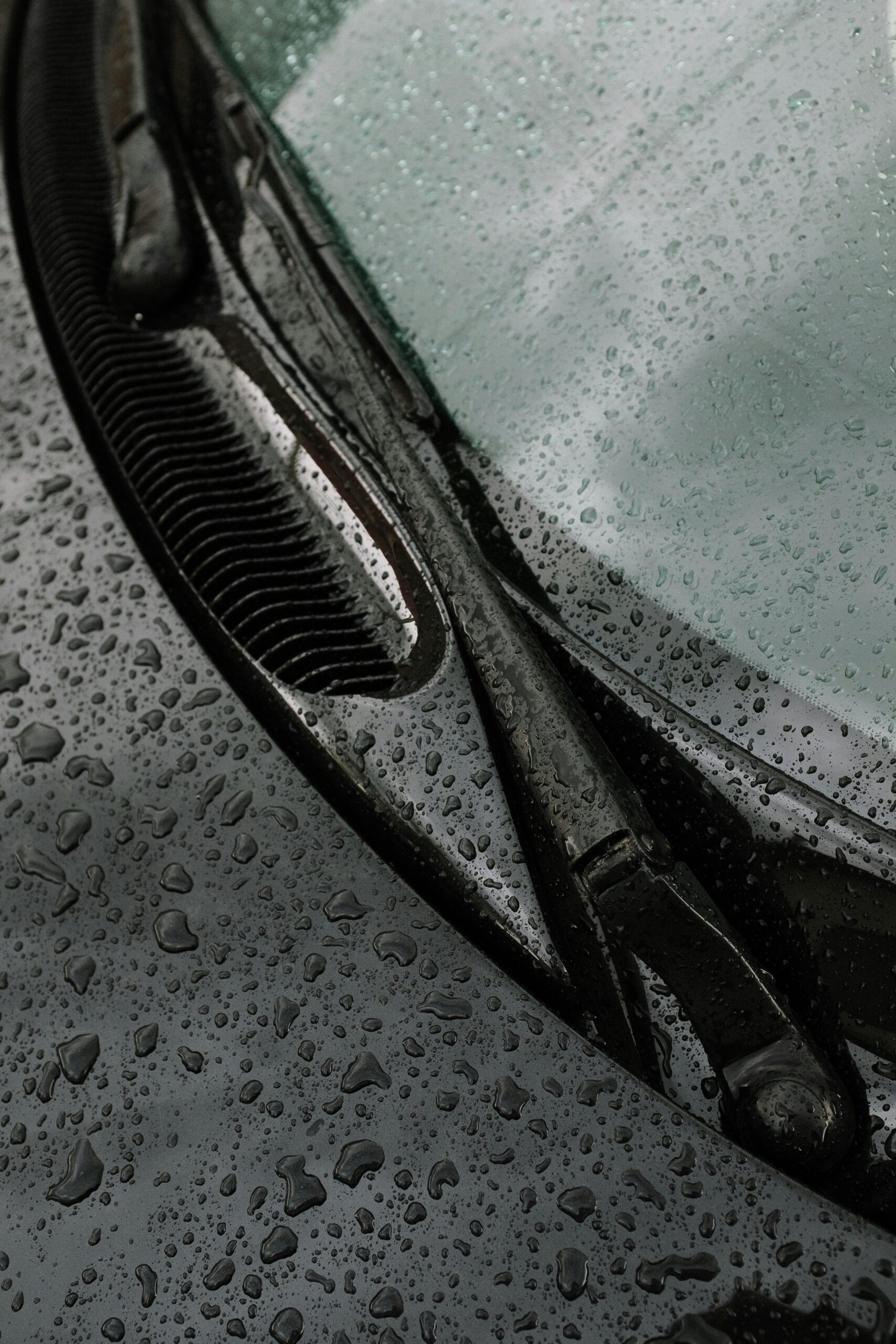
Wiper blades are easy to ignore until they start smearing glare across the windscreen. Then every streetlight, brake light and oncoming headlight becomes harder to read. Premium beam wipers are designed to solve that problem with even pressure, advanced rubber and a low-profile shape that stays planted on the glass.
What makes premium beam wipers different?
Traditional wiper blades use a visible metal frame with several pressure points. They can still do the job, but the frame can collect dirt and wear unevenly over time. On a curved windscreen, those separate pressure points may also leave sections of glass less consistently wiped.
A beam wiper has a flexible internal spine rather than an exposed frame. The blade follows the curve of the windscreen and applies pressure more evenly from end to end. The result, when the blade is correctly matched to the vehicle, is cleaner clearing across the windscreen with less chatter and fewer missed edges.
The aerodynamic outer shape is another useful advantage. At motorway speeds, airflow helps press the blade against the glass rather than lifting it away. That matters when rain is heavy and you need the windscreen to clear in one pass, not three.
This does not mean every beam blade is automatically premium. The rubber compound, build quality, adaptor design and vehicle-specific fit all make a real difference. A cheap universal blade may look similar, but a poor connection or the wrong blade length can quickly undo the benefits.
Premium beam wiper review: performance where it counts
The best test of a wiper is not how it looks in the packet. It is what happens when you use it on a dirty, wet windscreen at the worst possible time. Premium beam wipers are built around four things drivers notice straight away: wipe quality, quiet operation, high-speed contact and durability.
Streak-free wiping
A good beam blade should clear water in a smooth, consistent sweep. There should be no hazy band left in the driver’s main line of sight, no narrow streaks at the return stroke and no patchy unwiped area near the corners.
That performance comes down to even pressure and quality rubber. Premium rubber is more flexible against the glass, so it can maintain contact without dragging. It also handles changing temperatures better than bargain blades that harden, split or lose their edge sooner.
Of course, even the best new blade cannot fix a windscreen covered in oily road film, tree sap or dried-on grime. Clean the glass properly before fitting new wipers. If the windscreen is rough, chipped or scratched, wiping results may still be affected.
Quieter operation
Squeaking and chattering are not just annoying. They are often a sign that the blade is skipping rather than wiping cleanly. Beam wipers reduce this risk by keeping more consistent contact across the curve of the screen.
In normal conditions, a quality beam blade should move with a controlled, quiet sweep. A little noise can occur on a nearly dry windscreen, especially if washer fluid is low or the glass is dusty. Never judge a new blade by running it dry. Use washer fluid and test it on a wet screen.
Better stability at speed
A blade that performs around town but lifts or smears at 100 km/h is not doing its job. The slim, aerodynamic profile of a beam wiper helps keep it stable in moving air, which is particularly helpful on long highway trips, open regional roads and wet freeway runs.
This is one reason beam designs suit many modern cars, SUVs and utes. Larger, more curved windscreens need a blade that can flex with the glass while holding firm at speed.
Durability in Australian conditions
Sun, heat and dust are hard on rubber. Add winter rain, frost in colder areas and salt air near the coast, and wipers can age faster than drivers expect. Premium beam blades use durable rubber designed for regular all-weather use, but they are still a wear item.
If your blades sit outside every day, inspect them regularly. Look for cracked rubber, torn edges, bent blade spines or a permanent streak that does not disappear after cleaning the glass. Replacing wipers before the next wet spell is a small maintenance job that makes a genuine safety difference.
Fitment matters more than a universal claim
The strongest part of any wiper purchase is confidence it will fit the first time. Your vehicle may need different driver and passenger blade lengths, a specific arm connection or a rear blade with its own fitting style. Imported vehicles can be especially particular.
That is why vehicle-specific kits are a smarter choice than grabbing a generic blade off a shelf and hoping the adaptor works. Selecting your make, model and year means the blades are matched to the windscreen and wiper arms on your car. Pre-fit adaptors remove the fiddly part, so installation is usually a quick job rather than a trip back to the shop.
Auto Cross takes that approach with vehicle-matched front and rear wiper kits, giving drivers a simple way to find the right blades without measuring old ones or comparing adaptor charts. Perfect fit is not a luxury. It is the foundation of clean, reliable wiping.
Are premium beam wipers worth the extra cost?
For most drivers, yes – provided you are comparing a quality, vehicle-specific beam blade with a basic framed or universal alternative. The difference is usually most obvious in heavy rain, at night and on a windscreen with a pronounced curve. Clearer vision and quieter wiping make every drive less tiring.
The value case is also practical. Paying a little more for blades that fit correctly, wipe cleanly and last well can be better value than replacing cheap blades early or putting up with poor visibility. It is a small spend compared with tyres, brakes or servicing, yet it affects what you can see every time rain hits the screen.
There are exceptions. If your vehicle uses a conventional frame-style blade and it is performing well, a premium replacement in that style may be the right option. Some rear wipers are also designed differently from front blades, so beam construction is not always relevant. The right choice is the blade engineered for your vehicle, not simply the most expensive option.
How to get the best result from new wipers
Fitting new wipers takes little time, but a few simple habits help them perform at their best. Clean the windscreen before installation and wipe the wiper arm carefully with a damp cloth to remove grit. Check that the new blade clicks securely into place, then lower the arm gently onto the glass. Never let an uncovered metal wiper arm snap back against the windscreen.
After fitting, test the blades with washer fluid. Watch the full sweep from inside the car and make sure there is no interference, lifting or missed section. If a blade is streaking immediately, check for packaging residue on the rubber, dirt on the glass or an adaptor that has not fully locked in.
Keep washer fluid topped up rather than using the wipers on a dry, dusty screen. That one habit reduces drag on the rubber and helps prevent premature wear. When you wash the car, give the wiper edges a gentle wipe too.
The verdict for everyday drivers
Premium beam wipers are not a flashy upgrade, but they are one you feel every time the sky opens up. Their even pressure, quiet sweep and aerodynamic design make them a strong choice for drivers who want dependable visibility without workshop hassle.
Choose a vehicle-specific kit, clean the glass before fitting and replace tired blades before rain makes the problem obvious. No squeaks. No streaks. Just clearer views when you need them most.
Posts Widget



Copyright 2025 © AutoCross.
