
Do Wipers Fit Imported Cars? What to Check
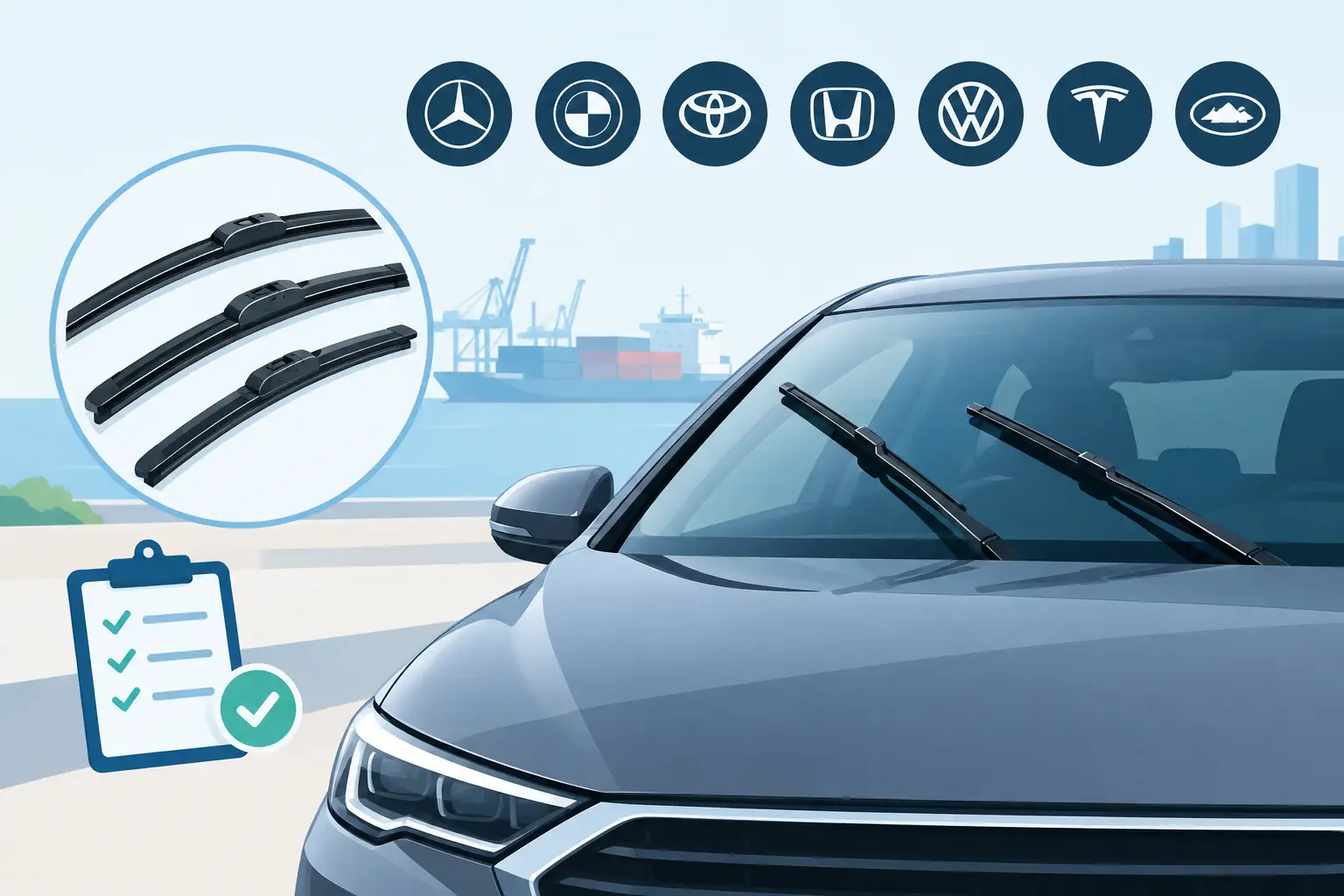
A wet commute is a bad time to find out your new blades do not clip onto the wiper arms. So, do wipers fit imported cars? Sometimes, yes – but only when the blade length, arm connection and vehicle specification all match. “Imported” on its own is not enough information to buy with confidence.
Whether you drive a Japanese import, a European SUV, a UK-spec hatch or a vehicle brought into Australia privately, the right answer is simple: choose wipers for the exact make, model and year, then check the variant where needed. No squeaks. No streaks. Just clear views.
Do wipers fit imported cars the same as Australian models?
Not always. An imported vehicle can look identical to an Australian-delivered version but still use a different wiper setup. The differences may be small, such as a different adaptor on the wiper arm, but small differences are enough to stop a blade fitting correctly.
This is especially common with grey imports. A model sold in Japan, for example, may share much of its body and windscreen with the local version, yet have different blade lengths, arm fittings or a different rear wiper. European imports can have similar quirks, particularly when the same model name covers several generations and body styles.
Officially imported cars are usually easier. If your vehicle was sold new through an Australian dealer network, its make, model and year will generally match standard local fitment data. That does not mean every blade labelled “universal” will fit. It simply makes it easier to find a vehicle-specific kit.
The key point is this: wiper blades are not truly one-size-fits-all. A pair that fits your mate’s sedan may not fit your wagon, even if both wear the same badge.
Why imported-car wiper fitment can be different
A windscreen wiper system has more going on than two strips of rubber. The blades need to connect securely, sweep the correct part of the windscreen and sit against the glass with even pressure. Get one detail wrong and you can end up with chatter, missed patches or a blade that comes loose.
The wiper arm connection matters most
Different vehicles use different wiper-arm fittings. Hook-style arms are common, but imported cars may use push-button, side-pin, bayonet, pinch-tab or top-lock connections. A blade can be the right length and still be useless if its adaptor does not match the arm.
Pre-fit adaptors remove much of the guesswork. Instead of trying to work out whether a generic pack includes the right piece, a vehicle-matched kit is supplied for the fitting your car actually uses.
Blade lengths can change between variants
Front blades are often different lengths from each other. The driver’s side may be longer to improve visibility, while the passenger side is shorter to avoid hitting the windscreen edge or the other blade during operation.
Do not assume the longest blade that physically fits is the best choice. An oversized blade can overlap, lift at speed, strike the windscreen trim or leave a worse wipe pattern. A blade that is too short leaves valuable glass uncleared in heavy rain.
Left-hand-drive and right-hand-drive versions can vary
Cars built for overseas markets may be left-hand drive, while Australian roads require right-hand drive. In some models, that changes the wiper sweep pattern, blade lengths or parking position. The blades may still be compatible, but it needs to be checked against the actual vehicle rather than the model name alone.
Rear wipers are a separate fitment
The rear blade is easy to overlook, especially on SUVs, hatchbacks and wagons. Yet it often has a completely different attachment style from the front blades. Rear wipers also vary more than many drivers expect, even between closely related models.
If the rear screen is smearing or skipping, check the rear blade specifically. Ordering a front pair will not solve it.
How to check wipers for an imported car
The fastest and safest method is to search using your exact vehicle details. Start with the make, model and year, then select the body style or series if the finder asks for it. This is more reliable than measuring an old blade and hoping the existing owner fitted the correct size.
Before ordering, take a moment to confirm these details:
- Your model year, including whether it is an early or late version of a generation.
- The body style, such as sedan, hatch, wagon, SUV or ute.
- Whether the car is an Australian-delivered model or a private/grey import.
- The wiper-arm fitting, if your vehicle details are unclear or the car has been modified.
If you are checking the arm yourself, lift it gently from the windscreen and look at where the old blade connects. A hook has a curved, J-shaped end. Other designs usually have a flat locking mechanism, button or pin. Avoid forcing anything apart. If it does not release as expected, look for the locking tab first.
For a Japanese import with a chassis code, that code can be particularly useful when model names are confusing. Some imports use a name that was never sold locally, while others use the same name across several very different platforms.
Avoid the universal-blade gamble
Universal blades can be tempting because they are easy to find. But “universal” often means the pack contains several adaptors and asks you to identify, assemble and lock in the correct one. That can work when you know exactly what you are doing. For most drivers, it creates an unnecessary chance of ordering the wrong setup.
A vehicle-specific kit costs less in time and frustration. You know the lengths have been chosen for the windscreen, the adaptor suits the arm and the blades are designed to sit properly through their full sweep.
This matters in Australian conditions. Sudden downpours, road spray, dust and summer heat are hard on wiper rubber. A loose or poorly matched blade is not just annoying at the lights. It can reduce visibility when you need it most.
Signs your current wipers are wrong or worn out
Wipers should leave the screen clear in a single pass. If they do not, age may be the issue, but poor fitment can cause the same symptoms.
Watch for streaking, skipping, squeaking, a blade lifting off the glass at highway speeds or a missed strip in the driver’s line of sight. Blades that sit crooked, knock together or fail to park neatly can also point to the wrong length or adaptor.
Sometimes the windscreen is the problem. Tree sap, wax residue and road grime can make even good blades smear. Clean the glass and wipe the rubber edge with a damp cloth first. If the issue returns quickly, replacement blades are usually the sensible move.
Get the fit right before the rain arrives
You should not need a workshop visit for a straightforward wiper change. With the correct vehicle-specific blades, installation is generally a quick at-home job: lift the arm, release the old blade, click the new one in place and lower the arm carefully onto the glass. Never let a bare metal arm snap back against the windscreen.
For imported cars, confidence comes from matching the vehicle rather than guessing from a shelf. Auto Cross makes that simpler with a make, model and year vehicle finder, pre-fit adaptors and fitment support designed for Australian drivers. Choose the exact vehicle, replace both front blades together and test the wipe pattern before your next wet drive.
Clear vision is one of the cheapest safety upgrades you can make. Take the extra minute to confirm your imported car’s details now, and the next burst of rain will be far less of a drama.
Posts Widget



Copyright 2025 © AutoCross.
