
How to Replace Wiper Refills for Clearer Views
A split second of blurred vision is all it takes to make a wet roundabout, a dark country road or peak-hour traffic feel far more stressful. Knowing when to replace wiper refills helps keep your windscreen clear without turning a simple maintenance job into a workshop visit. No squeaks. No streaks. Just clear views when the weather turns.
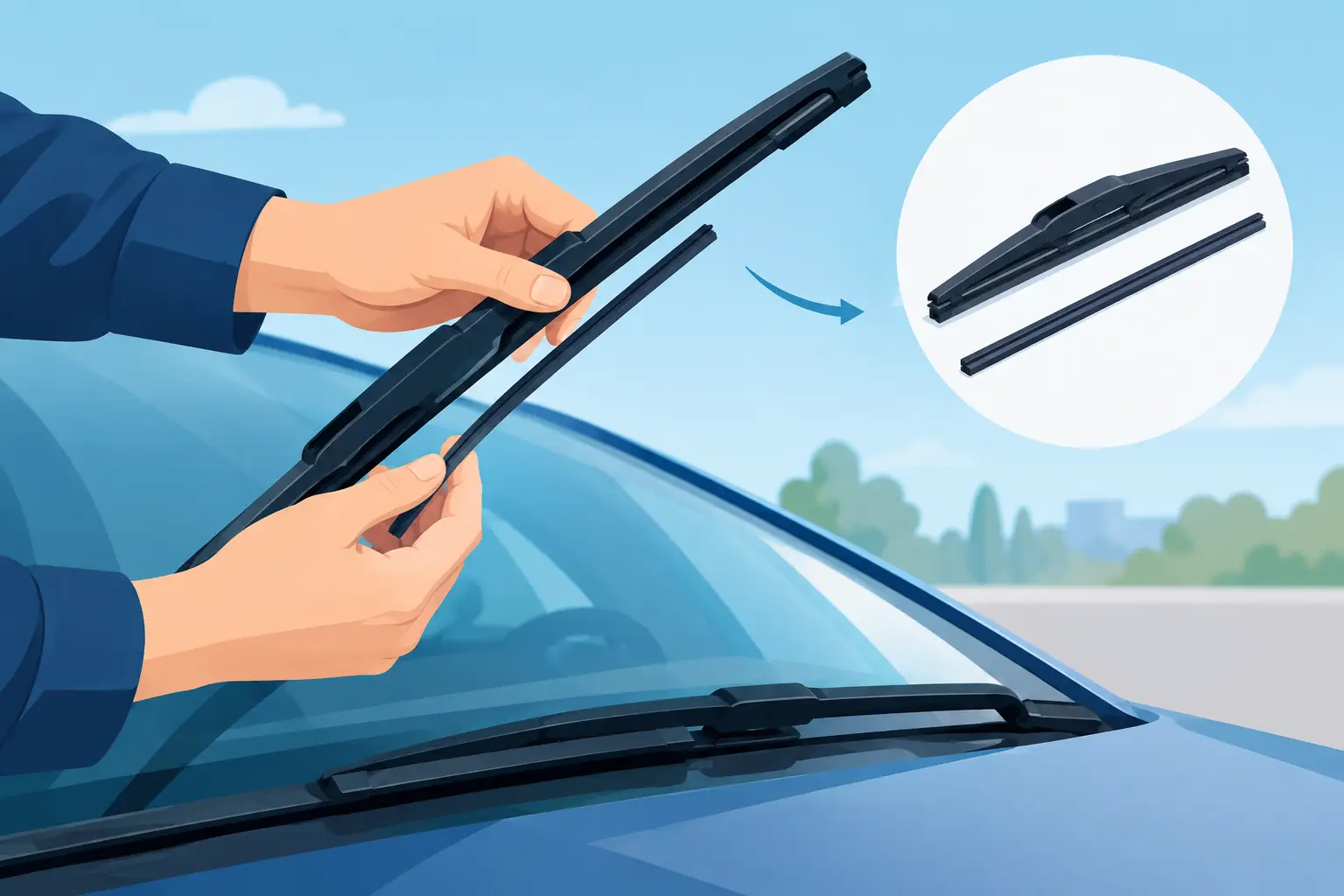
Wiper refills are the rubber wiping strips that sit inside some older-style wiper frames. Replacing only the rubber can be a budget-friendly option when the metal frame and its joints are still in good condition. But on many newer vehicles, especially those with slim aero or beam-style wipers, replacing the complete blade is usually the better and more reliable choice.
When to replace wiper refills
Your wipers do not need to be completely torn before they need attention. The rubber gradually hardens under sun, heat, dust and rain, then loses the clean, even contact needed to clear water properly. Australian conditions can be particularly tough on wiper rubber, whether your car spends the week in a scorching driveway or tackles regular coastal rain and road grime.
It is time to inspect the refills if your windscreen has any of these common warning signs:
- Streaks or thin lines left in your field of vision
- Chattering, skipping or squeaking across the glass
- Smearing that gets worse instead of clearing away
- Cracked, split, loose or visibly uneven rubber
Try cleaning the windscreen and wiping the rubber edge with a damp cloth first. Dirt, tree sap and oily film can cause poor wiping even when the rubber is still usable. If the problem returns after cleaning, the refill or blade has likely reached the end of its run.
As a practical rule, inspect your wipers every six months and expect to replace them about every six to 12 months. The right interval depends on where you drive and park. A car stored under cover may get more life from its wipers than a ute left outdoors through a hot summer.
Wiper refills or complete blades: what is the better buy?
Replacing wiper refills makes sense when you have conventional framed wipers with a removable rubber insert, and the frame is still straight, secure and springy. You may also choose refills if you are comfortable trimming the rubber to length and transferring small retaining clips or metal rails from the old strip.
The trade-off is fitment. Refill rubber is not one-size-fits-all. It must suit the width of the old insert, the locking arrangement and the blade length. A refill that is slightly too loose can slide, bunch up or leave sections of glass unwiped. One that is too tight may be difficult to fit or prevent the blade from flexing naturally.
Complete replacement blades remove much of that uncertainty. They arrive with fresh rubber, a new frame or aero spine, and the correct adaptor for the wiper arm. This is often the smarter path if the old blade chatters, the frame has corrosion, the joints feel loose, or the rubber has worn unevenly because the blade no longer sits flat against the glass.
Modern beam blades are designed as a single curved unit. Their aerodynamic shape helps maintain pressure across the windscreen at highway speeds, while the enclosed design has fewer exposed joints to collect dust and grime. On these blades, replacing the full assembly is normally the intended service method.
For everyday drivers, the saving from refill-only replacement can disappear quickly if the new strip does not fit right the first time. A vehicle-specific blade kit provides a clean reset: new rubber, correct length and a secure connection. That matters most when heavy rain hits halfway through the school run or commute home.
How to replace wiper refills safely
Before starting, check that your vehicle actually uses serviceable refill-style blades. Look closely at the end cap of the blade. A removable cap and a rubber strip held by narrow metal rails can indicate a refill design. If the blade is a slim, moulded, one-piece unit, it is more likely a complete blade replacement.
Lift the wiper arm away from the windscreen carefully. Place a folded towel or cloth on the glass beneath it. If the arm snaps back without a blade attached, the metal hook can crack or chip the windscreen.
Remove the old rubber strip by releasing the end cap or locking tab, depending on the blade design. Take note of which end is locked before pulling the strip out. Some refills slide out easily; others need a small amount of pressure to release the retaining tab. Do not force it. Bending the frame can create permanent wiping problems.
Once removed, compare the old and new refills before cutting or fitting anything. The new rubber should match the old strip in profile and width. If your blade uses two thin metal support rails, transfer them to the new refill in the same orientation. These rails give the rubber its shape and keep it sitting correctly in the blade frame.
Slide the new refill through the frame until it reaches the locking point. Refit the end cap or secure the retaining tab, then check that the strip cannot move side to side. Trim only if the refill instructions specifically require it, and cut carefully so the rubber sits flush without obstructing the cap.
Lower the arm back onto the windscreen gently. Never let it fall. Test the wipers with plenty of windscreen washer fluid rather than running them across dry glass. Watch for clean, quiet wiping from end to end. If the blade skips, misses an edge or leaves a repeating line, stop and recheck that the refill is fully seated and the support rails are positioned correctly.
Why fitment matters more than most drivers think
Wipers look simple, but a correct fit changes how well they perform. The wrong length can cause blades to knock together, miss important areas of the windscreen or strike the edge of the glass. The wrong adaptor may seem attached until vibration and rain expose the problem.
Rear wipers are often overlooked too. On hatchbacks, SUVs and wagons, the rear screen can quickly become difficult to see through in rain or on dusty roads. Rear blades frequently use a different mounting style from the front pair, so guessing by length alone is risky.
That is why selecting by make, model and year is the simplest way to buy replacement blades. It takes the compatibility guesswork out of a safety item that you may not think about until you need it most. Auto Cross matches vehicle-specific front and rear wiper blade kits with pre-fit adaptors, so fitting a fresh set can take less than 30 seconds.
Get more life from new wipers
Fresh wipers work best on clean glass. Wash the windscreen regularly, including the lower edge where dust and grit collect. Avoid using wipers to clear frost, heavy mud or baked-on dirt, as this can nick the rubber edge. Use washer fluid when the screen is dry or dusty, and do not leave the wipers stuck to a frozen windscreen.
Parking under cover when possible also helps. Heat and UV exposure dry out rubber over time, even when the car is not being driven. If your vehicle sits outside every day, a quick wiper check before the wet season is a sensible habit.
Clear visibility is not a luxury upgrade. It is one of the easiest ways to make every drive feel safer, calmer and more controlled. If your old refills are leaving marks, squeaking across the screen or refusing to clear the rain, replace them before the next downpour makes the decision for you.
Posts Widget



Copyright 2026 © AutoCross. | Sitemap
