
Vehicle Maintenance That Keeps You Safer

A smeared windscreen at dusk can turn an ordinary drive home into a white-knuckle few minutes. Vehicle maintenance is not just about avoiding a breakdown on the side of the road. It is about the small checks that keep your car predictable, your visibility clear and your family safer in changing Australian conditions.
You do not need to be a mechanic or spend every Saturday under the bonnet. A few practical habits can catch wear before it becomes an expensive repair, particularly if your car handles school runs, commuter traffic, regional roads or long holiday kilometres. Start with the parts you see, use and rely on every time you drive.
Vehicle maintenance starts with what affects safety
Some jobs can wait for a scheduled service. Others should be dealt with as soon as you notice a problem. Tyres, lights, brakes, fluids and windscreen wipers all affect how well you can see, stop and respond when conditions change quickly.
The key is knowing the difference between a minor inconvenience and a warning sign. A faint wiper squeak may be the first sign that the rubber has hardened. A tyre that needs frequent topping up may have a slow leak. A brake pedal that feels soft, pulls to one side or makes a grinding sound needs professional attention, not wishful thinking.
Clear vision is a non-negotiable
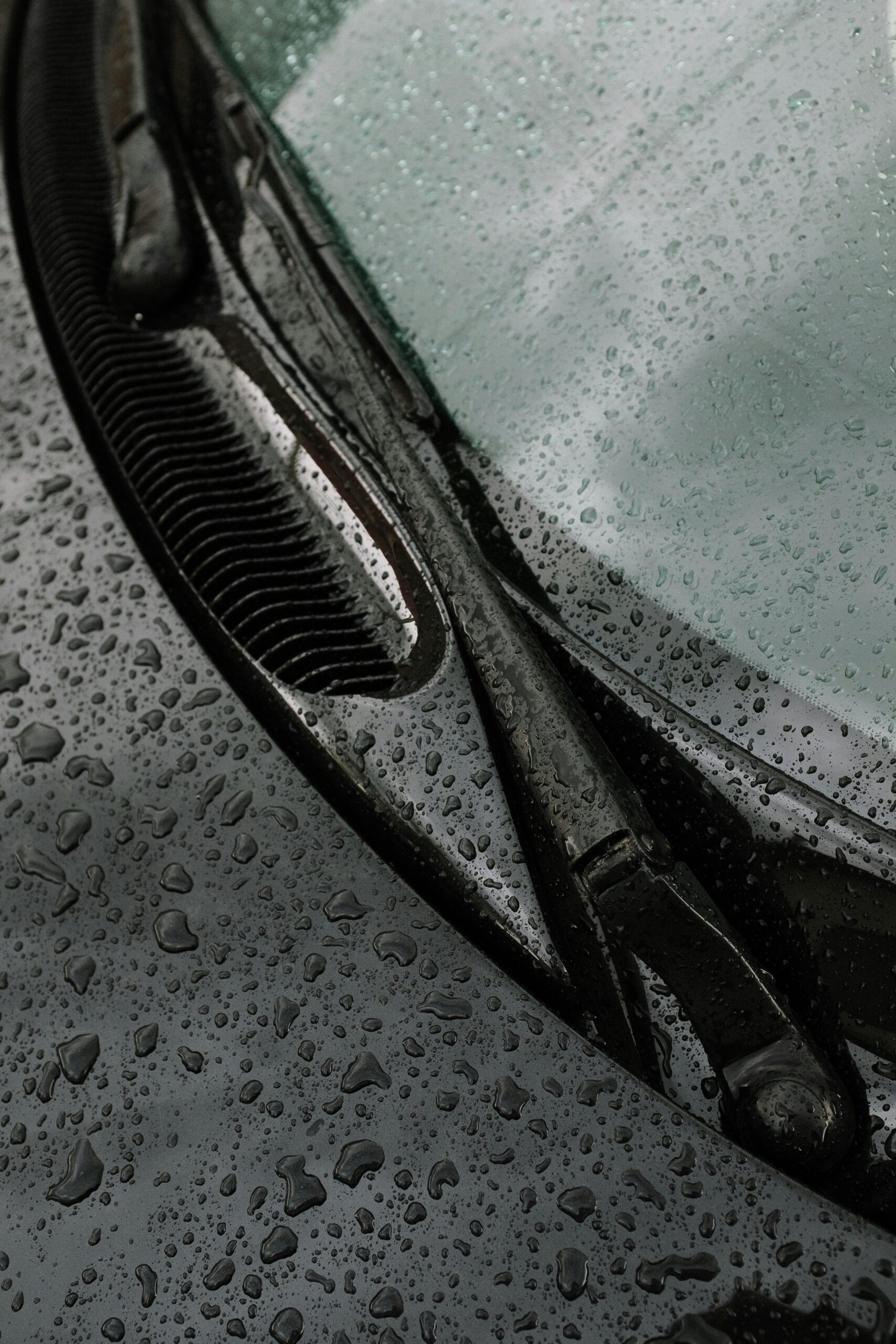
Your windscreen is only useful when you can see through it. Dust, insects, salt spray, tree sap and road grime build up quickly, while rain can expose worn wiper blades in seconds. If your wipers leave streaks, skip across the glass, chatter, smear water or leave untouched patches, they are no longer doing their job properly.
Check the rubber edge every few months. Look for splits, loose sections or a rough, brittle feel. Wipe the blades with a damp cloth when you clean the windscreen, but do not expect cleaning to revive rubber that has deteriorated from heat and UV exposure.
Replacing worn blades is one of the quickest jobs on the car. Vehicle-specific blade kits with pre-fit adaptors remove the usual guesswork, so you can fit the right blades at home in moments. For Australian drivers, that matters when a sudden downpour hits on the motorway or the sun catches a dirty windscreen late in the day. No squeaks. No streaks. Just clear views.
Also keep your washer reservoir topped up with suitable washer fluid. Plain water can work in a pinch, but a proper fluid helps shift oily film and stubborn grime. Test the spray nozzles occasionally. If the jets are weak or pointed at the wrong spot, your wipers may simply spread dirt instead of clearing it.
Tyres deserve more than a glance
Tyres are your vehicle’s only contact with the road, whether you drive a compact hatch, family SUV or work ute. Incorrect pressure affects grip, braking, fuel use and tyre life. It can also make the car feel less stable, especially in heavy rain or on uneven regional roads.
Check tyre pressures at least once a month and before a long trip, using the pressure listed on the vehicle placard. You will usually find it inside the driver’s door frame or in the owner’s manual. Check them when the tyres are cold for the most accurate reading. Do not forget the spare if your vehicle has one.
Look across the tread for uneven wear, cracking, bulges or nails. The tread wear indicators are there for a reason, but waiting until your tyres are clearly bald is leaving it too late. If one tyre wears faster than the others, the issue may be alignment, suspension or inflation. A tyre professional can tell you which before you burn through another set.
The under-bonnet checks that save trouble
Opening the bonnet does not mean you need to diagnose an engine fault. It means taking two minutes to notice anything unusual before it becomes a bigger problem. With the engine cool and the vehicle parked on level ground, check for obvious leaks, loose caps and fluid levels outside their marked range.
Engine oil is a good place to begin. Follow your manufacturer’s instructions for checking the dipstick or electronic oil display, as the correct process differs between vehicles. Low oil can cause serious engine damage, while overfilling is not helpful either. If oil drops noticeably between services, book an inspection rather than repeatedly topping it up and hoping for the best.
Coolant helps control engine temperature, particularly during hot summers and long drives. Check the level in the reservoir when the engine is cold. Never remove a radiator cap from a hot engine. If the temperature warning light appears, steam comes from the bonnet or coolant needs constant refilling, pull over safely and arrange professional help.
Brake fluid, power steering fluid on older vehicles, and transmission fluid on certain models may also need periodic checks. The exact intervals and methods vary, so your owner’s manual is the right reference point. Modern vehicles are not all maintained the same way, and guessing can create more problems than it solves.
Do not ignore dashboard warnings
Warning lights are your vehicle asking for attention. Some, such as a low washer-fluid alert, can usually be sorted quickly. Others, including oil pressure, brake system, battery and engine temperature warnings, may require you to stop driving as soon as it is safe.
An engine warning light is more nuanced. A steady light may allow you to drive carefully to a mechanic, depending on how the vehicle feels and what the manual says. A flashing engine warning light, a loss of power, smoke or strong burning smells are different. Stop safely and seek assistance. Continuing to drive can turn a manageable fault into a major bill.
Keep small problems from becoming costly ones
A regular walk-around is one of the most useful vehicle maintenance habits you can build. Before a weekend away or every couple of weeks, take a minute to check that all lights work, mirrors are secure and the number plates are readable. Ask someone to stand behind the car while you test brake lights, indicators and reverse lights, or use reflections in a garage door where practical.
Listen while you drive, too. New rattles, squeals, knocks or vibrations are worth noticing. They do not always mean a serious issue, but sounds rarely improve by being ignored. A rattle over bumps could be something simple in the boot, while a clunk from the suspension or a vibration through the steering wheel should be assessed.
Keep the cabin reasonably clean and remove loose items from footwells. A drink bottle rolling under the pedals is a distraction nobody needs. If you carry children, sports gear, tools or shopping, secure heavier items so they do not become projectiles during hard braking.
For owners who do plenty of short trips, the battery deserves extra consideration. Frequent short runs may not fully recharge it, especially if you use lights, climate control and accessories often. Slow cranking, dim lights or electrical glitches can be early battery warnings. Have it tested before it leaves you stranded at the servo or in the supermarket car park.
Build a routine that works for your car
The best maintenance schedule is one you will actually follow. Your logbook sets out service intervals, and following it protects reliability and can support resale value. Between services, match your checks to how you use the vehicle.
A car used for daily city commuting may need more attention to brakes, tyres and wipers due to stop-start traffic. A vehicle that spends time on gravel roads may need more frequent cleaning, tyre inspections and checks for stone damage. A car parked outdoors all year faces more heat and UV exposure, which can shorten the life of wiper rubber, tyres and exterior trim.
Keep a simple note on your mobile for service dates, tyre replacements, battery age and wiper changes. It saves searching through old receipts when something starts to play up. If you are unsure about a check, there is no shame in asking a qualified mechanic. DIY is excellent for straightforward care, but safety-critical repairs belong with professionals.
Auto Cross makes one part of the routine easy with vehicle-specific wiper kits designed for a perfect fit, backed by a 12-month warranty. Select your make, model and year, replace worn blades before the next storm, and get back to driving with a clearer view.
Your car does not need constant attention. It needs timely attention. Check the things that help you see, steer and stop, act when something changes, and give yourself one less problem to deal with when the weather turns.
Posts Widget



Copyright 2025 © AutoCross.
