
7 Common Wiper Fitment Mistakes to Avoid
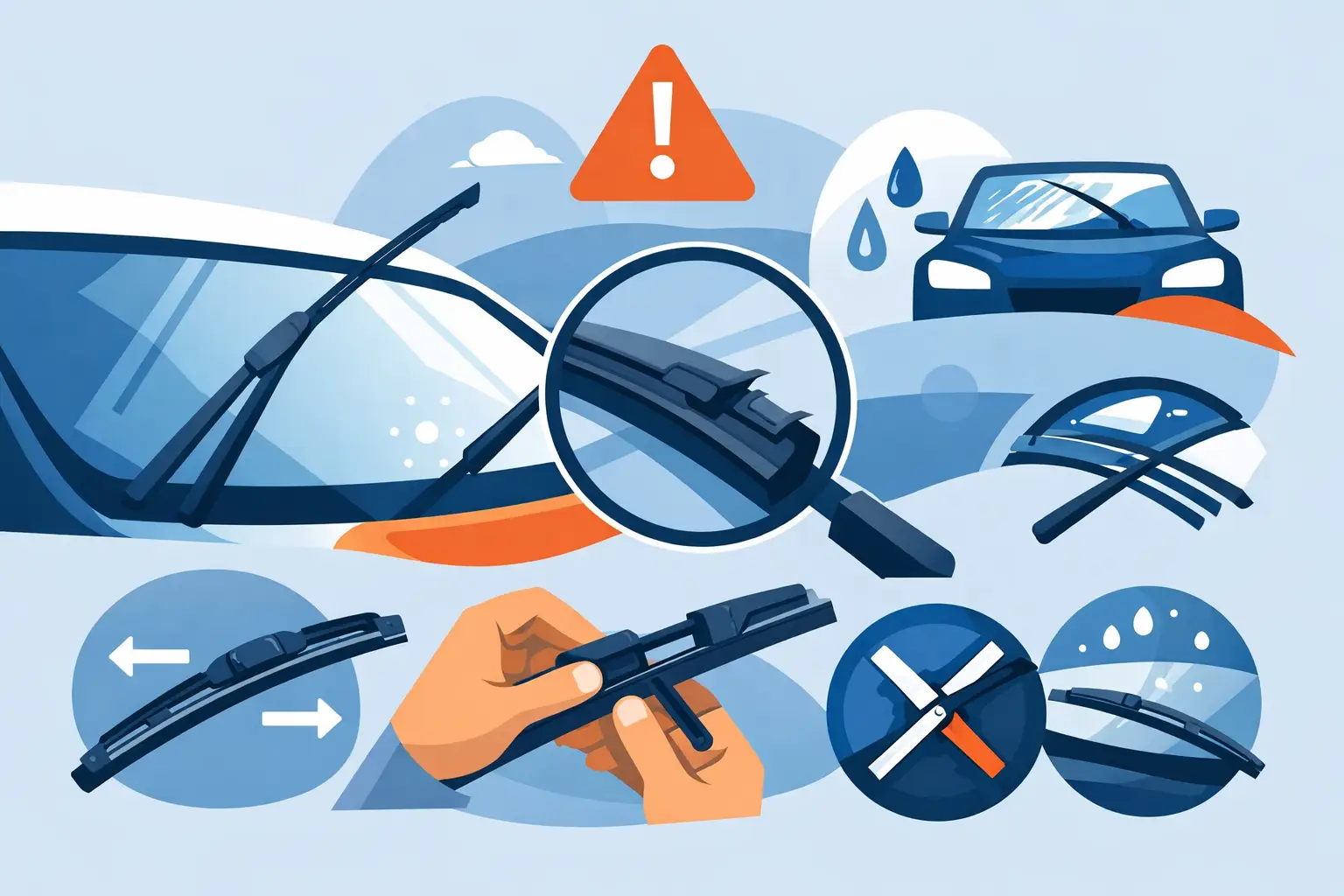
A wiper blade that almost fits is not good enough when rain hits the windscreen at 100 km/h. Common wiper fitment mistakes can leave you with lifting blades, missed sections of glass, annoying chatter and a poor view of the road. The good news is that most are easy to avoid when you match your wipers to the exact vehicle and take a minute to check the fitting.
Why wiper fitment is more than blade length
Many drivers assume wipers are universal. They are not. Two vehicles may use blades that look similar, even measure the same length, but require different connector styles, blade shapes or pressure points. A blade can clip on loosely, sit at the wrong angle or fail to make consistent contact with the windscreen.
That matters in Australian conditions. Summer heat can harden old rubber quickly, while sudden downpours, coastal salt and dusty regional roads ask plenty of your wipers. A correctly fitted premium blade clears water smoothly and quietly. The wrong one can smear water across the very part of the screen you need to see through.
Vehicle-specific kits remove much of the guesswork. Select the make, model and year accurately, and you should receive the correct front or rear blades with the required pre-fit adaptors. Still, it helps to know where things commonly go wrong.
7 common wiper fitment mistakes
1. Matching the blade by length alone
Length is only one part of fitment. It is tempting to measure the old blade or read a number on the packaging and buy the closest option. However, the driver and passenger blades are often different lengths, and a rear blade may have an entirely different mounting system.
Even if a blade is the right length, it can be wrong for the wiper arm. It may not lock into place, or it may sit too high and catch the bonnet edge or the other blade during a wipe cycle. Measure if you need a quick reference, but always match wipers using the vehicle’s make, model and year first.
2. Selecting the wrong model year or vehicle variant
A nameplate can stay in production for years while its wiper system changes between generations. A Toyota Corolla, Mazda CX-5 or Ford Ranger from one year can use different blades from a newer version with the same badge. Imported models, facelift versions and certain trim levels can add another layer of confusion.
Take a moment to confirm the year shown on your registration, then choose the exact model in the vehicle finder. If your car was built late in one year and first registered in the next, use the build date where possible. When in doubt, compare the wiper arm and existing connector before fitting anything.
3. Ordering front wipers when you need the rear one
Front and rear wipers are not interchangeable. Front kits usually include two blades designed for the windscreen sweep pattern. Rear wipers are often shorter, curved differently and built around a dedicated arm connection.
This mistake is especially common on SUVs, hatchbacks and wagons, where the rear window gets filthy after a wet drive or a trip down a dusty road. Check whether you are replacing the front pair, the rear blade or all three. If only one front blade is worn, replacing the pair is generally the smarter move because both blades have aged under the same sun and weather.
4. Forcing the wrong adaptor onto the arm
Most fitting frustration comes from trying to make an adaptor work when it is not the right one. Wiper arms can use hook, pin, bayonet, side-lock or push-button connections, among others. Some adaptors look close enough to fit but will not click and lock correctly.
Do not force it. A cracked adaptor or bent wiper arm can turn a simple at-home job into an unnecessary repair. The correct connector should line up cleanly and lock with a positive click. Give the blade a gentle tug afterwards. It should stay firmly attached without wobbling or sliding.
A vehicle-specific kit with pre-fit adaptors makes this much simpler. Auto Cross kits are matched to your vehicle to take the connector guessing game out of the purchase, so installation can be a quick job rather than a trip back to the parts shop.
5. Leaving protective sleeves or packaging strips in place
Some new wiper blades have a protective cover or strip over the rubber edge. It is there to protect the blade in transit, not to stay on the vehicle. Leaving it in place can cause skipping, poor wiping and a strange plastic-on-glass sound.
Before lowering the arm onto the windscreen, inspect the blade from end to end. Remove every piece of packaging, then check that the rubber edge is straight and free from twists. This is a small step, but it is one of the easiest common wiper fitment mistakes to miss when you are fitting blades in a hurry before rain.
6. Dropping the bare wiper arm onto the glass
With the old blade removed, the metal wiper arm is spring-loaded and ready to snap back towards the windscreen. If it slips from your hand, it can chip or crack the glass. That is an expensive outcome for a part designed to save you money and improve visibility.
Lift the arm carefully and hold it throughout the changeover. Place a folded towel on the windscreen beneath the arm if you want extra protection, especially if you are working on a tall SUV or ute where the reach is awkward. Only lower the arm once the new blade is properly secured.
7. Fitting the blades but skipping the final test
A blade can look fitted while still being clipped in incorrectly. Before heading out, turn the ignition on, wet the windscreen with washer fluid and run the wipers through several cycles. Watch the full sweep, including the return stroke.
Look for lifting at the ends, contact between the two front blades, a blade catching the windscreen trim, or sections of glass left untouched. A little noise on a dry screen is normal, which is why washer fluid matters during testing. Persistent chatter, streaking or a loose connection means it is time to stop and check the fitment again.
A quick fitment check before you drive
Once installed, take 30 seconds for three checks. First, gently pull each blade to make sure it is locked to the arm. Next, confirm the blades sit naturally against the glass and do not overlap or touch surrounding trim. Finally, test them with washer fluid and make sure the sweep is clean, quiet and even.
If the windscreen is greasy or covered in road film, even a perfectly matched new blade can streak. Clean the glass with a suitable automotive glass cleaner and wipe the rubber edge with a damp cloth. Avoid using harsh solvents on the blade, as they can dry out the rubber.
When the issue is not fitment
Not every wiping problem means you bought the wrong blades. A worn wiper arm spring may not apply enough pressure, particularly if the blade lifts at speed. A damaged windscreen, clogged washer jets or contaminated glass can also create streaks and missed patches.
The pattern gives you a clue. Smearing across the entire screen often points to a dirty windscreen or aged rubber. One unwiped area may suggest a bent arm or poor blade contact. A blade that comes loose, sits crooked or will not lock is more likely a connector or compatibility problem.
For most drivers, the best approach is simple: choose wipers by exact make, model and year, fit them without forcing the adaptor, and test them with washer fluid before the next wet drive. Clear views are not a luxury when the weather turns. They are one of the quickest safety wins you can make from your own driveway.
Posts Widget



Copyright 2025 © AutoCross.
