
Which Wipers Fit SUVs? Get the Right Size
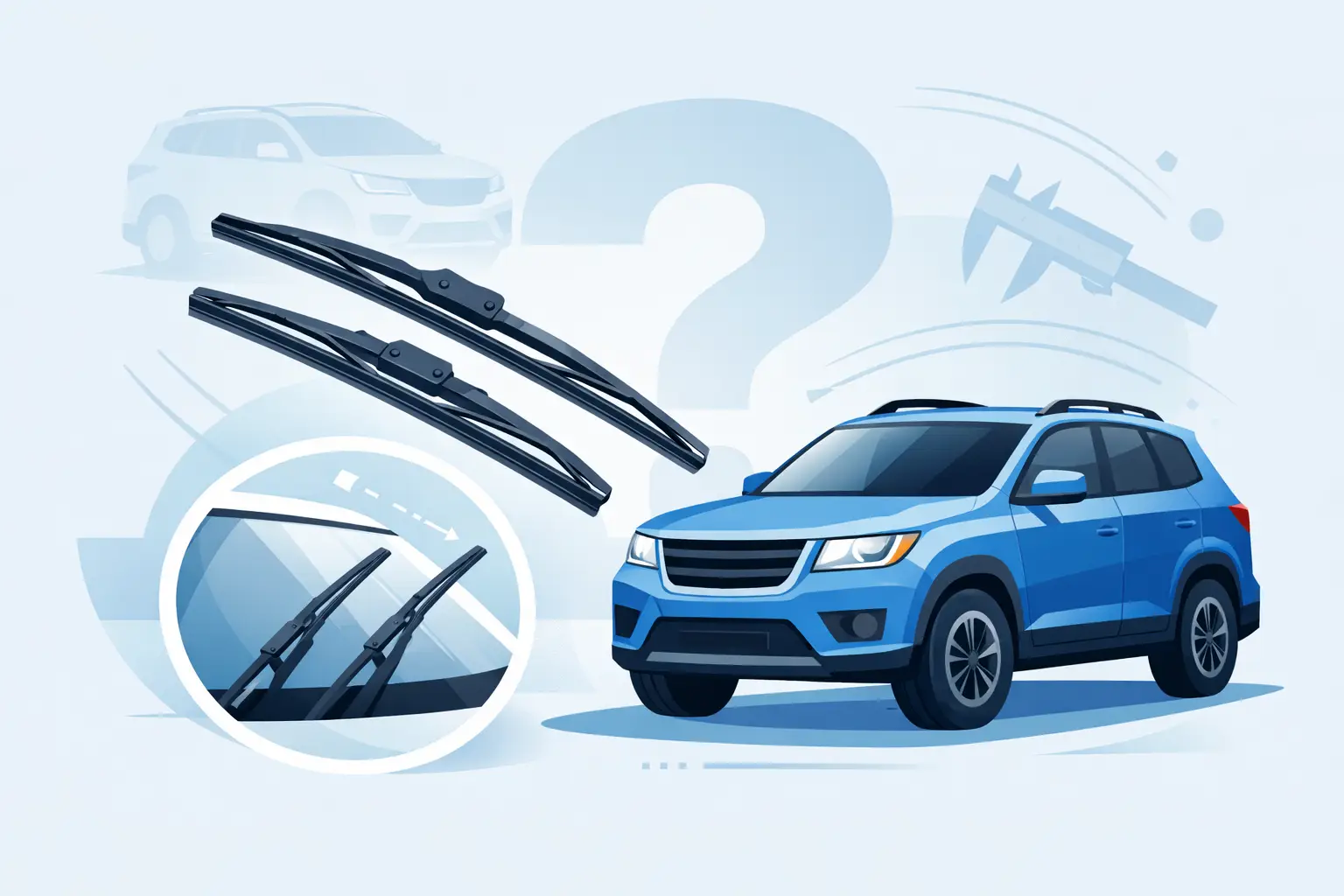
A streak across the windscreen in a sudden downpour is more than annoying – it can hide a turning car, a cyclist or the edge of the road. If you are asking which wipers fit SUVs, the short answer is: the ones matched to your exact make, model, year and wiper-arm connection. SUV wipers are not one-size-fits-all, even when two vehicles look much the same.
The good news is that getting it right does not require a trip to a workshop or a tape measure in the driveway. With the correct vehicle details, you can choose blades that clip on quickly, sweep cleanly and stay quiet through Australian heat, rain and dusty regional roads.
Which wipers fit SUVs? Start with the vehicle details
Your SUV’s make, model and year are the safest starting point. A Toyota RAV4, Mazda CX-5, Hyundai Tucson and Ford Everest may all be SUVs, but they can use different front-blade lengths, mounting systems and rear-wiper designs. Even within one model name, a new generation can change the wiper setup completely.
For example, the front blades on one model year may have a standard hook-style arm, while the next generation uses a push-button or top-lock connection. The blades might appear similar at a glance, yet they will not attach securely if the adaptor is wrong.
That is why a vehicle finder is better than choosing from a rack based on a rough size estimate. Enter the make, model and year exactly as listed for your vehicle, then select a vehicle-specific front or rear kit. It removes the guesswork around blade lengths and fittings.
If your SUV has a trim level that differs from the standard model, imported specifications or a recently replaced wiper arm, take an extra moment to check the vehicle details. Most drivers will only need make, model and year, but unusual configurations are worth confirming before ordering.
Why SUV wiper fitment is not just about length
Blade length matters because wipers need to clear the designed area of the windscreen without clashing with each other, catching on the windscreen edge or leaving too much uncleared glass. But length alone does not tell the full story.
A proper fit also depends on the connector. The wiper blade must lock firmly onto the arm, sit at the correct angle against the glass and follow the windscreen’s curve. This is especially relevant on SUVs, where taller windscreens and more upright glass can place different demands on the blade than a low passenger car.
The blade style also makes a difference. Modern beam blades have a slim aerodynamic profile and even pressure along the rubber edge. They are a popular choice for SUVs because they hug curved windscreens well and have fewer exposed parts where dust and grime can build up. Traditional frame blades are still used on some vehicles, but they can be more prone to clogging in dirty conditions.
A good matched kit should include pre-fit adaptors designed for the wiper arm on your vehicle. That means less fiddling at the bonnet and no second-guessing whether the blade is properly secured. No squeaks. No streaks. Just clear views.
Front and rear SUV wipers are different jobs
Many SUV owners remember the front pair and forget the rear blade until it starts smearing rainwater across the back window. Rear wipers are often a different size and use a different attachment system to the front blades. They should always be selected separately unless the kit clearly includes all three blades.
The rear wiper has an important job on hatchbacks, wagons and SUVs. Spray from wet roads, dust, mud and rain can quickly cloud the rear glass, particularly when driving behind trucks or on unsealed roads. A clean rear window gives you a better view through the mirror when changing lanes, reversing or checking traffic behind you.
Do not assume a universal rear blade will work because its length looks close enough. Some SUVs use an integrated rear-arm design, where the blade and arm shape are specific to the vehicle. Matching by make, model and year avoids ordering a blade that cannot clip in.
How to check your current SUV wipers
Before replacing your blades, inspect the existing set. Lift each arm gently away from the windscreen and look for split, hardened or uneven rubber. If the blade edge has visible cracks, the frame is bent, or the rubber has started peeling away, replacement is due.
You can also spot wipers on their way out from the driver’s seat. Common signs include streaking, juddering, squeaking, skipping, a hazy film after each pass and sections of glass left unwiped. If cleaning the windscreen and blade rubber does not fix the issue, the rubber edge has likely worn down.
Take note of whether your front wipers are two different lengths. This is common, and it is one more reason not to buy two random blades of the same size. The driver’s blade is often longer to maximise the cleared viewing area, while the passenger blade is shaped around the windscreen’s sweep pattern.
Measuring your old blades can be useful as a cross-check, but it should not be the main method for selecting replacements. Previous owners may have fitted the wrong size, and measurements do not identify the required adaptor.
Choose blades built for Australian conditions
Australia gives wiper rubber a hard time. Summer heat can dry and crack it, UV exposure can make it brittle, and dust can wear the wiping edge like fine sandpaper. Then a heavy shower arrives and asks that same tired blade to clear the glass in seconds.
Look for durable advanced rubber that resists wear, along with an aerodynamic blade design that helps maintain steady contact at speed. Quality blades should wipe smoothly across the full screen, not chatter across dry patches or lift in wind.
Price matters, but the cheapest generic option can cost more in frustration if it does not fit, performs poorly or needs replacing early. A vehicle-specific OEM-grade kit is a practical middle ground: premium wiping performance without paying inflated in-store prices for a basic maintenance job.
For everyday commuters, family SUVs, rideshare vehicles and long-distance regional driving, clear vision is a safety essential. Fresh blades are a small upgrade that makes wet-weather driving feel calmer and more controlled.
Fitting SUV wipers at home
Once you have the correct kit, installation is usually straightforward. Park safely, switch the ignition off and lift the wiper arm carefully. Place a folded towel on the windscreen beneath the arm as a simple precaution – if the arm slips, it will not strike the glass directly.
Release the old blade using its existing connector, then attach the matched replacement until it clicks or locks into place. Give it a light tug to make sure it is secure, lower the arm gently and repeat on the other side. For the rear blade, follow the same careful approach, as the smaller arm can have a different release point.
Before heading out, run the washers and wipers with plenty of fluid. Watch for full, even contact across the glass and listen for unusual chatter. If a new blade streaks immediately, clean the windscreen first. Road film, wax, tree sap and grime can stop even a quality blade from performing at its best.
Auto Cross matches premium wiper blade kits to your exact vehicle details, with pre-fit adaptors, a 12-month warranty and hassle-free returns for added confidence.
When should SUV wipers be replaced?
As a general rule, inspect your wipers every few months and expect to replace them about every six to 12 months, depending on where and how you drive. Vehicles parked outdoors in strong sun may need new blades sooner. So can SUVs regularly used on dusty roads, near the coast or in areas with frequent heavy rain.
Do not wait until the first proper storm to find out your wipers are finished. Replace them when they start leaving marks or making noise, then keep the windscreen clean and washer bottle topped up. A correctly matched set of blades is one of the quickest ways to make every rainy drive clearer from the moment you leave the driveway.
Posts Widget



Copyright 2025 © AutoCross.
